
Education recovery and modernization in Cebu is set to take a major leap this year after the Cebu Provincial School Board approved a P1.7-billion budget aimed at rebuilding and upgrading school facilities affected by last year’s twin disaster.
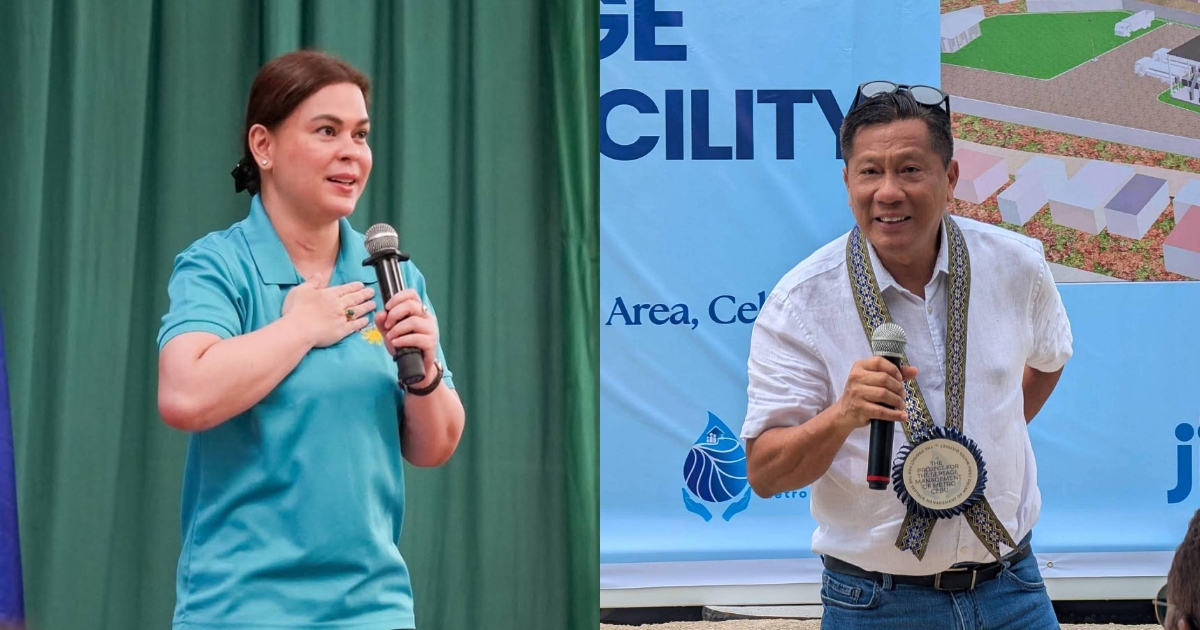
The funding, sourced from the Special Education Fund (SEF), was approved during the board’s first session of 2026, presided over by Governor Pamela Baricuatro.
About P1.4 billion of the total allocation has already been committed for priority projects, allowing immediate rollout of interventions in public schools across the province.
Baricuatro said the allocation seeks to address critical challenges in the education sector, including classroom shortages, damage caused by natural calamities, and the need to support learning recovery for students.
“We’re very happy. That includes the building of our temporary learning spaces and also the smart classrooms from the province of Cebu,” the governor said, highlighting the dual focus on infrastructure and technology-driven education.
A significant portion of the budget—P700 million—will be used to construct smart classrooms across the province.
These facilities are part of Cebu’s push to modernize public schools, integrating technology to enhance the learning environment for students.
Meanwhile, P295.9 million has been earmarked for Temporary Learning Shelters (TLS) to accommodate students displaced by damaged classrooms.
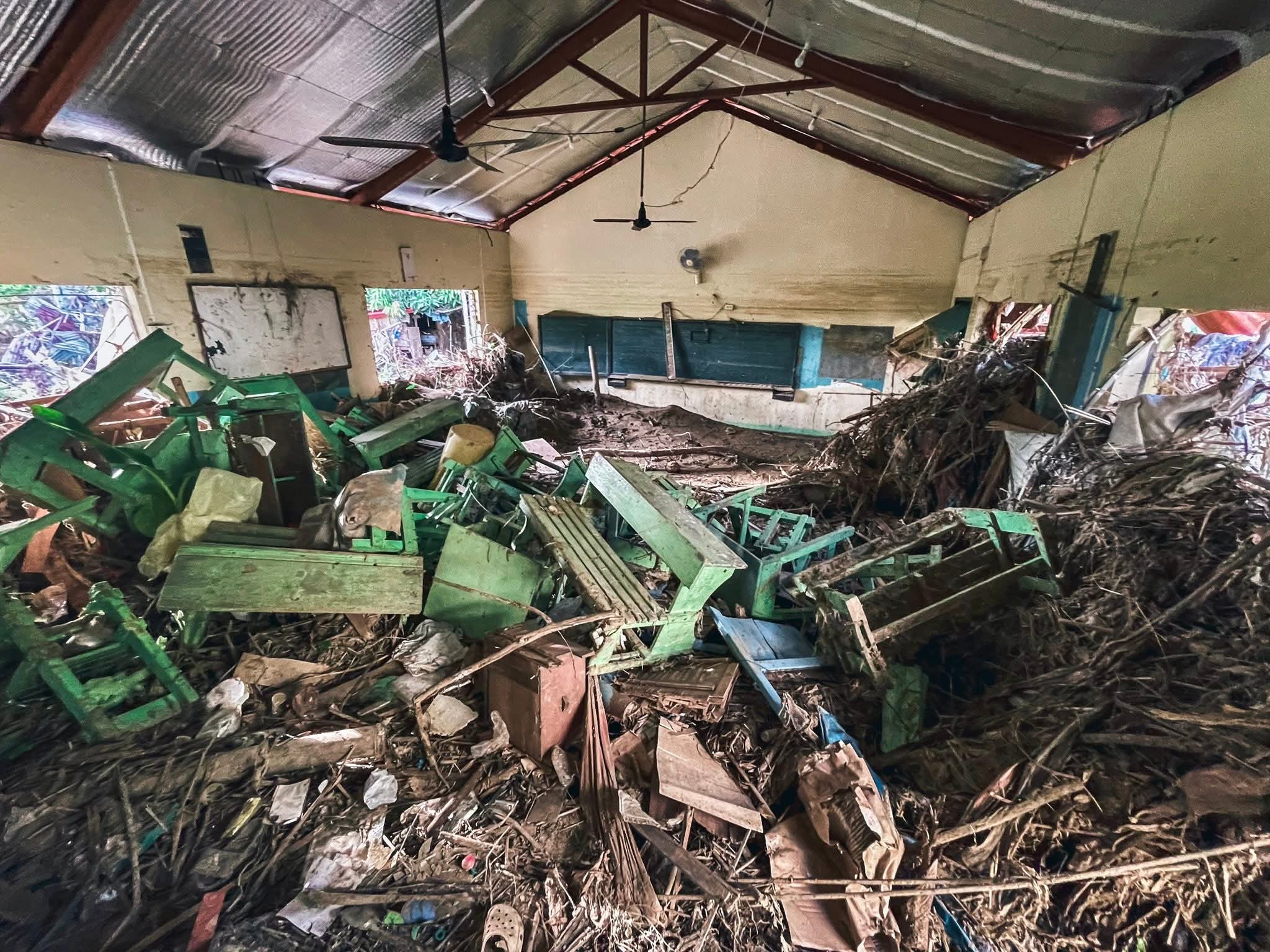
Records from the Department of Education in Central Visayas indicate that 269 classrooms were affected by the 2025 earthquakes, a figure mirrored in the province’s disaster assessment.
The provincial government plans to build 269 TLS units across 34 municipalities, prioritizing areas with the most pressing classroom shortages.
Each unit, designed as a single-classroom structure, will cost approximately P1.1 million and will serve as a temporary solution while permanent reconstruction is underway.
Beyond infrastructure, the School Board allocated P335.9 million for learning materials, school supplies, and operational support for public schools from Kindergarten to Grade 12.
Officials said this funding aims to address resource gaps and ensure smooth daily operations in classrooms.
To improve student comfort and classroom conditions, P13 million will be spent on procuring armchairs, while another P10 million will go toward sports equipment to enhance physical education and strengthen school-based athletics programs.
Early childhood learners will also benefit from P3.48 million in dedicated support.
Addressing academic setbacks remains a priority.
The board allocated P30 million for literacy and numeracy intervention programs designed to mitigate learning losses from the recent disruptions.
Additional funding will also support teacher training, professional development, and capacity-building initiatives for school personnel.
Support was likewise approved for educational research programs, initiatives aimed at improving school governance, and funding for student participation in major academic and extracurricular events.
These include the Cebu Provincial Sports and Cultural Festival, the Central Visayas Regional Athletic Association meet, and the Palarong Pambansa.
Further allocations will cover Department of Education activities such as campus journalism, science and mathematics fairs, scouting, leadership training, special education, and cultural programs, ensuring that students have a well-rounded learning experience.
Baricuatro said the province’s investment demonstrates its long-term commitment to strengthening human capital through education.
She emphasized that the provincial government will continue working closely with the Department of Education to ensure the proper implementation and effective utilization of the funds.
“Education is our future. We want to make sure that every student in Cebu has access to safe, modern, and fully equipped classrooms,” Baricuatro said. (SBA)