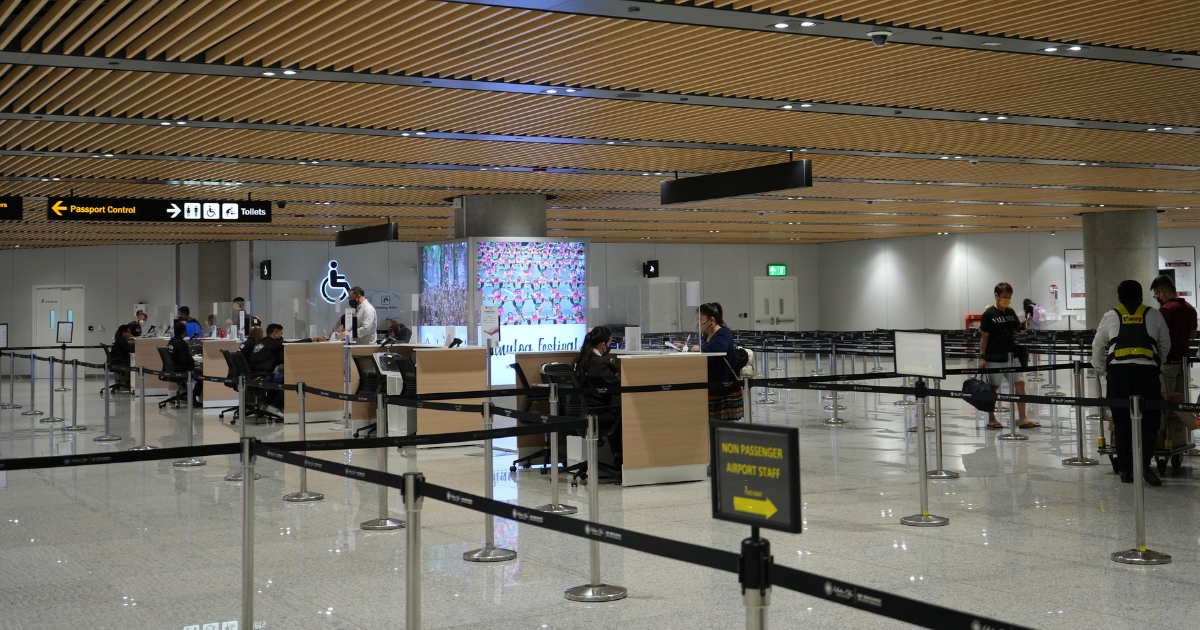
Mactan-Cebu International Airport (MCIA) is cementing its reputation as the premier gateway to the Visayas and Mindanao this 2026, following the Philippine government’s strategic move to grant Chinese nationals 14-day visa-free entry for tourism and business. As the country’s busiest hub outside Manila, MCIA is poised to welcome a surge in international arrivals, leveraging this new policy to strengthen people-to-people exchanges and boost inbound tourism figures. This development positions Cebu not just as a destination, but as the critical entry point for exploring the southern Philippines.
To support this projected influx, MCIA has rolled out seamless connectivity initiatives like “CEB Connects,” which drastically cuts air-to-air transfer times, and the “CEB+” program for airport-to-seaport integration. These services allow travelers to effortlessly reach key destinations such as Bohol via fast ferry or Northern Mindanao via Laguindingan International Airport (LIA). According to Aboitiz InfraCapital Vice President Rafael M. Aboitiz, these improvements are designed to distribute visitor traffic efficiently across the regions, ensuring that foreign visitors can easily do business or explore the country’s rich culture in one hassle-free trip.
Under the stewardship of Aboitiz InfraCapital (AIC), MCIA joins LIA and Bohol-Panglao International Airport (BPIA) in a unified network aimed at modernizing Philippine aviation. With extensive modernization projects underway since 2025 under government concession agreements, AIC is transforming these hubs to be globally competitive. This synchronized approach ensures that as the Philippines opens its doors wider to the world, its infrastructure is ready to deliver a world-class passenger experience.