
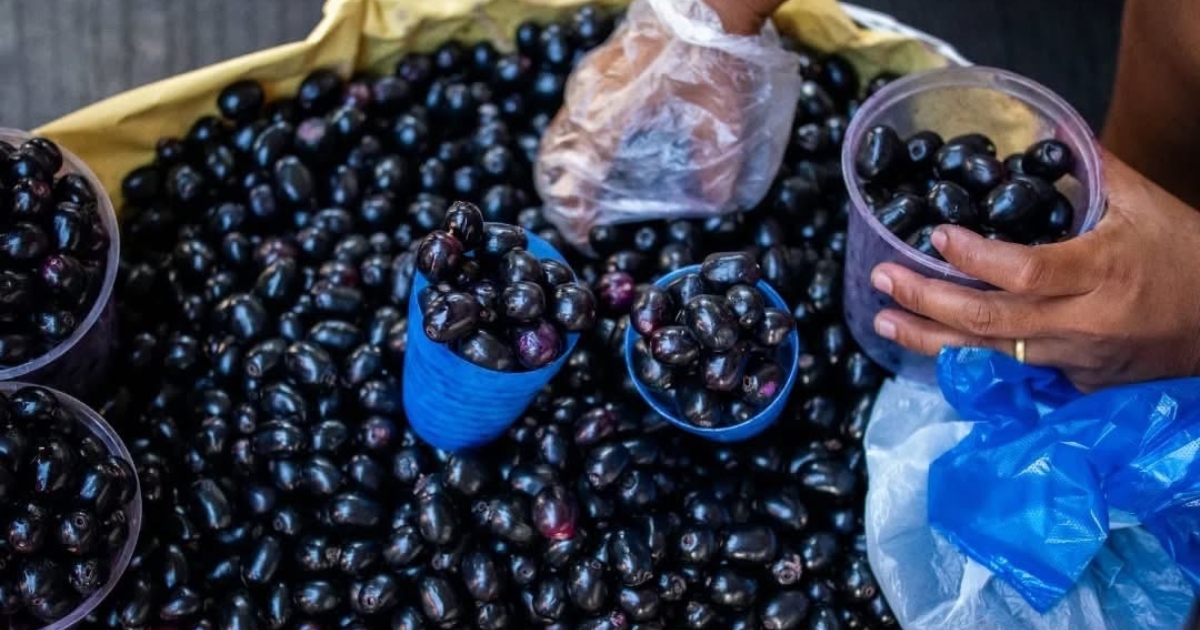
Lomboy: The Sweet and Tangy Native Fruit Filipinos Love During Summer
Known for its deep purple color, juicy flesh, and sweet-tangy flavor, Lomboy is one of the Philippines’ beloved native fruits that brings nostalgia to many Filipinos during the summer season. Scientifically known as Syzygium cumini, Lomboy is also commonly called duhat in other parts of the country and is widely enjoyed fresh, salted, or turned into jams, wines, and local delicacies.
The fruit grows abundantly in tropical areas and is usually harvested between March and June, making it a familiar sight in local markets, roadside stalls, and rural communities during the dry season. Children and adults alike often enjoy eating Lomboy with rock salt to balance its natural tartness.
A Fruit Deeply Rooted in Filipino Childhood
For many Filipinos, Lomboy is more than just a seasonal fruit — it is part of childhood memories. Climbing trees, stained purple tongues, and buying small plastic cups of Lomboy from street vendors are experiences shared by generations across the country.
The tree itself can grow tall and shady, making it commonly planted in backyards and along roadsides in provinces and rural towns.
Health Benefits of Lomboy
Rich in Antioxidants
Lomboy contains antioxidants that help protect the body from free radicals, which may contribute to aging and certain illnesses.
Supports Digestion
The fruit is a good source of dietary fiber, which may help improve digestion and support gut health.
May Help Regulate Blood Sugar
Some studies suggest that Lomboy seeds and fruit compounds may help support healthy blood sugar levels when consumed properly.
Boosts Immunity
Lomboy contains vitamin C and other nutrients that may help strengthen the immune system.
Hydrating and Refreshing
Because of its juicy flesh and high water content, Lomboy is a refreshing fruit during hot summer days.
Lomboy Season in the Philippines
Lomboy season usually begins around March and lasts until early June, depending on weather conditions and location. The fruit thrives during warm and dry months, which is why it is strongly associated with Philippine summer.
During peak season, local vendors often sell Lomboy along highways, public markets, schools, and tourist areas. Some provinces even use the fruit for local wine-making and traditional desserts.
A Native Treasure Worth Celebrating
Despite the popularity of imported fruits, Lomboy continues to hold a special place in Filipino culture because of its unique flavor, affordability, and nostalgic value. Whether eaten fresh under the shade of a tree or shared with friends during summer afternoons, Lomboy remains a simple yet cherished symbol of Filipino provincial life and tradition.
Photo: June Chrysler Mangyao

Comments