



The Cebu Provincial Government has activated Dengue Fast Lanes in all 16 Capitol-run provincial and district hospitals to speed up treatment for suspected dengue patients as health authorities continue monitoring areas with increasing infections.
The initiative aims to reduce waiting times by providing a dedicated process for patients suspected of having dengue, including priority assessment, faster laboratory testing, closer monitoring and immediate medical intervention to prevent severe cases and deaths.
The Cebu Provincial Health Office (PHO) launched the system amid a recent increase in dengue cases, recording 132 confirmed infections and two dengue-related deaths across the province over the past four weeks.
PHO data showed Toledo City recorded the highest number of confirmed cases with 49, followed by Barili with 39, Talisay City with 34, Consolacion with 33, and Carcar City with 19.
These five local government units have been placed under close monitoring by provincial health authorities due to the rising number of infections.
Under the Dengue Fast Lane system, patients suspected of having dengue will undergo immediate clinical assessment upon arrival at Capitol-run hospitals before proceeding to laboratory testing for early confirmation.
Hospitals have also designated treatment areas with trained healthcare workers assigned to manage dengue cases. Patients who require admission will be monitored continuously for warning signs that may lead to severe dengue or shock.
The program also includes patient and family education to help them recognize symptoms, understand warning signs and follow medical recommendations.
Public Health Consultant Dr. Nikki Catalan said dengue remains among the diseases closely monitored by the PHO, particularly during the rainy season.
“In rainy season, two things jud among gibantayan ang dengue and leptospirosis,” Catalan said.
Catalan clarified that the figures being monitored by the province came from the PHO’s own surveillance system and are separate from the data gathered by the Department of Health in Central Visayas.
She also confirmed that the province recorded two dengue-related deaths, one each from Consolacion and Compostela.
Children and young people continue to account for most dengue cases, according to PHO records. The highest number of infections involved children aged six to 10 years old, followed by those in the 11- to 20-year-old age group.
Despite the increase in cases, Catalan said Cebu has not reached the threshold for a dengue outbreak.
“Dili pa hinoon ni matawag nga outbreak,” she said.
She said the current situation still requires close monitoring because of the rising number of infections, but emphasized that dengue remains preventable through proper sanitation and community action.
Catalan reminded residents that dengue-carrying mosquitoes breed in clean but stagnant water and urged households to regularly inspect their surroundings and remove containers or areas where water can collect.
She also called on local government units to continue monitoring dengue trends in their areas and sustain community clean-up activities.
Catalan warned that dehydration remains one of the most serious complications of dengue, as it may quickly progress to shock if not addressed.
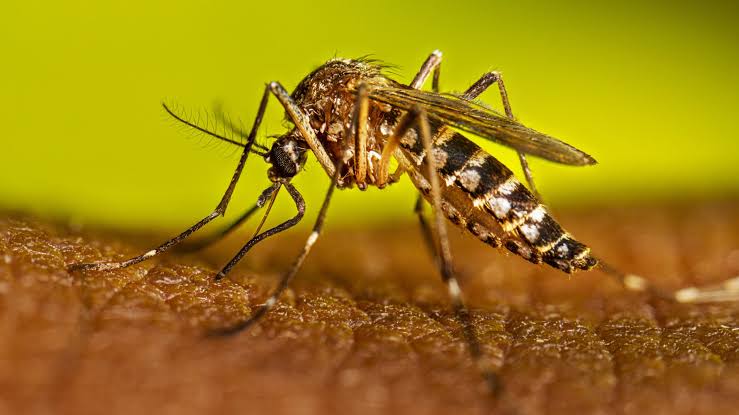
Dengue is a viral illness transmitted through the bite of infected female Aedes aegypti mosquitoes, which are commonly active during daytime.
The PHO advised residents experiencing symptoms such as sudden high fever, severe headache, pain behind the eyes, muscle and joint pain, nausea, vomiting, or skin rashes to seek medical attention immediately.















Comments