



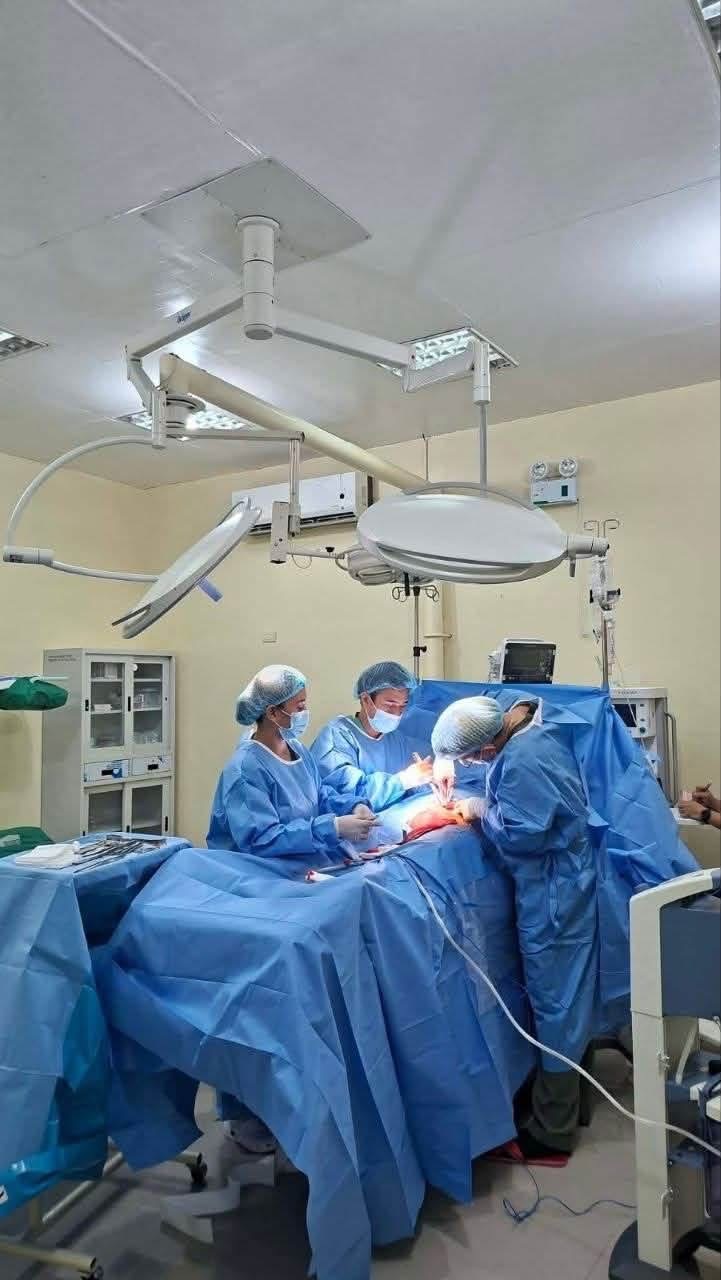
Patients seeking emergency treatment in Cebu Provincial Government-run hospitals can now expect faster admission and reduced processing delays after Governor Pamela Baricuatro ordered all 16 provincial hospitals to strengthen emergency services and provide round-the-clock PhilHealth assistance.
Through Executive Order No. 42, Series of 2026, issued on July 23, Baricuatro directed provincial hospitals to ensure continuous emergency medical care while removing administrative barriers that may delay treatment, especially for poor and indigent patients.
The policy covers two Level 2 hospitals, four Level 1 hospitals and 10 infirmaries managed by the provincial government, including their medical, nursing, administrative and support personnel.
A key provision of the executive order requires hospitals to maintain 24-hour staffing for personnel handling PhilHealth verification and claims processing.
These include billing staff, records personnel, admitting officers and medical social workers who will be responsible for ensuring that patients’ PhilHealth membership status and coverage can be accessed even during nights, weekends and holidays.
The order noted that delays in verifying PhilHealth records have affected the timely admission and treatment of patients, particularly those requiring immediate medical attention outside regular office hours.
“Each covered hospital shall ensure round-the-clock (24/7) availability of personnel tasked with accessing, verifying, and processing PhilHealth (PHIC) records, membership status, and coverage… to prevent delays in patient assessment, admission, and treatment during all shifts, including nights, weekends, and holidays,” the executive order stated.
Hospital chiefs were instructed to create shifting or on-call arrangements and assign backup personnel to maintain uninterrupted PhilHealth-related services. These schedules must also be submitted to the Provincial Health Office for monitoring.
The new policy also reiterates that emergency patients must be treated immediately and should not be required to pay deposits or advance charges before receiving medical care.
“Patients shall first be stabilized and treated; billing and collection, where applicable under Section 8, shall proceed only after the appropriate medical service has been rendered,” the order stated.
Under the directive, provincial hospitals must provide available medical, surgical, obstetric and diagnostic services before considering referrals to other facilities.
The Capitol also reminded hospitals not to refer emergency patients to private institutions if government facilities are capable of providing the needed services, particularly when doing so would result in additional out-of-pocket expenses.
The order emphasized compliance with PhilHealth’s No Balance Billing policy, requiring eligible beneficiaries to receive covered services without being charged beyond allowable limits.
Patients with inactive or unavailable PhilHealth coverage must be immediately assisted by medical social workers, who will help assess their financial needs and facilitate registration or renewal when qualified.
The executive order also directed provincial hospitals to maintain sufficient supplies of medicines, equipment and diagnostic services to avoid unnecessary referrals or additional expenses for patients.
Hospital personnel are prohibited from instructing patients to purchase medicines, laboratory services or medical supplies outside the facility if these are available within the hospital.
Personnel found violating the policy, including failure to maintain required 24/7 PhilHealth-related staffing, may face administrative and legal sanctions under existing civil service rules and applicable laws.
To improve accountability, the Provincial Government established a grievance mechanism where patients, their relatives and members of the public may file complaints through forms available at provincial hospitals and the Provincial Health Office.
Complaints will undergo review by hospital management and may be elevated to the Office of the Governor for further action when necessary.
The Capitol said the policy aims to improve access to healthcare services by ensuring that administrative procedures do not delay emergency treatment for patients needing immediate medical attention.















Comments