



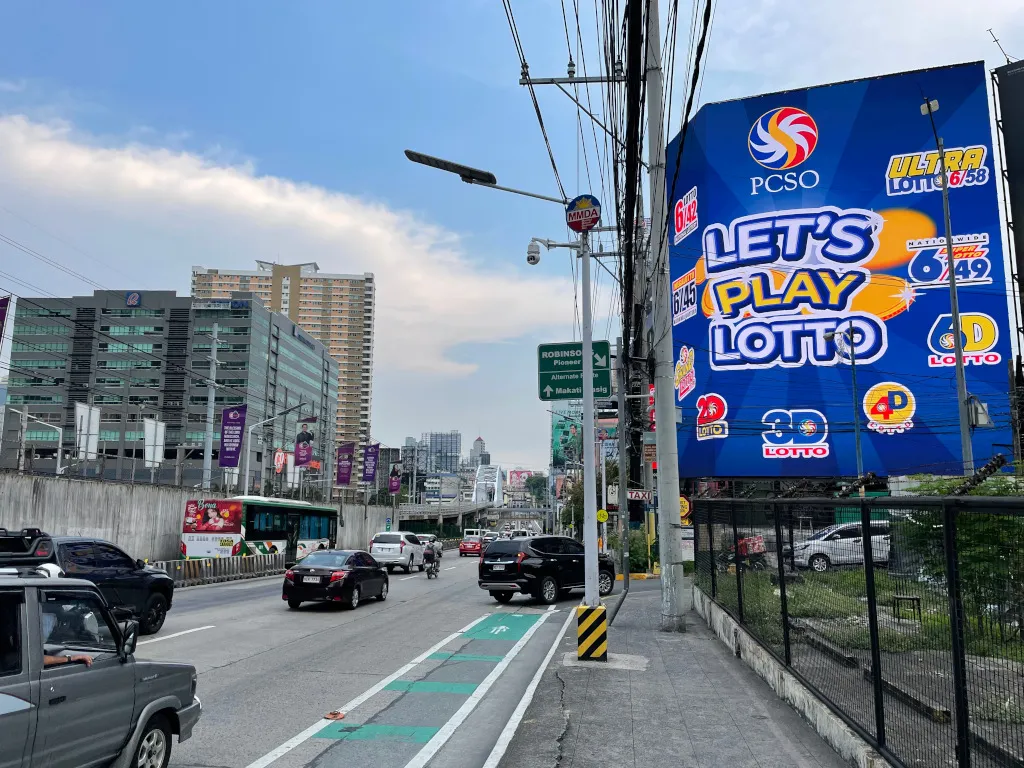
The Cebu City Legal Office (CLO) has backed the proposed ordinance prohibiting gambling advertisements in the city but recommended changes to ensure the measure complies with constitutional provisions and national laws.
In its position paper, City Legal Officer Briccio Joseph Boholst said the proposed measure authored by Councilor Joel Garganera serves a valid public purpose by seeking to protect minors, vulnerable groups, and public welfare.
However, the CLO advised lawmakers to limit the ordinance’s coverage to paid commercial gambling advertisements that involve individuals or businesses within Cebu City’s regulatory reach.
The legal office said local governments may enact measures under their police power to promote public welfare, but such authority is delegated by Congress and cannot override national laws or extend beyond territorial jurisdiction.
“The proposed ordinance serves a legitimate public purpose by regulating gambling advertisements within the territorial jurisdiction of Cebu City to promote public morals, protect minors and other vulnerable sectors, and advance the general welfare,” the position paper stated.
Among the provisions flagged by the CLO were those involving online and digital gambling promotions.
The office raised concerns over the phrase “regardless of the location of the server or principal office,” saying it could give the impression that the city may regulate activities outside its jurisdiction.
Instead, the CLO proposed that the ordinance cover digital gambling advertisements published through websites, social media platforms, streaming services, sponsored content, influencer marketing, and similar channels only when these originate from persons or entities subject to Cebu City’s authority.
The legal office also recommended revising the proposed ban’s language to specifically target paid commercial gambling promotions rather than broadly restricting online materials.
According to the CLO, commercial speech may be regulated, but restrictions must be narrowly crafted to prevent unnecessary limitations on protected expression.
The office likewise recommended that the ordinance adopt definitions of gambling and gambling advertisements consistent with national regulations, including Presidential Decree No. 1869, Republic Act No. 9287, and the Philippine Amusement and Gaming Corporation’s Responsible Gaming Code of Practice.
The legal office said aligning the terms with existing laws would help avoid conflicts with the national government’s authority over licensed gaming activities.
The CLO also called for additional safeguards before penalties are imposed on violators.
It recommended requiring a written Notice of Violation, allowing concerned parties to respond, and ensuring that decisions imposing penalties include the factual and legal basis for the action.
It also proposed allowing affected parties to seek reconsideration or appeal administrative sanctions.
Under the proposed ordinance, violators would receive a written notice for the first offense, face a P3,000 fine for the second offense, and a P5,000 fine with possible business permit suspension or revocation for third and succeeding violations.
The legal office further suggested revising the effectivity provision to require compliance with the publication and posting requirements under the Local Government Code before enforcement of penalties.
While the CLO cited international examples of gambling advertisement restrictions in countries such as Italy, Belgium, the Netherlands, and Australia, it emphasized that Cebu City’s authority remains limited compared with national governments because local governments only exercise delegated police power.
Despite its recommendations, the CLO maintained its support for the proposed ordinance and endorsed its approval subject to the suggested revisions.















Comments