



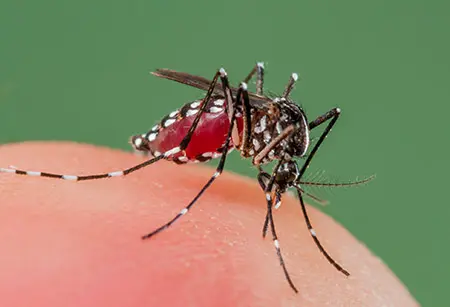
The Cebu Provincial Government has intensified its dengue preparedness measures as cases continue to increase during the rainy season, with hospitals activating special response protocols to ensure timely treatment for patients.
The Provincial Health Office (PHO) recorded 381 confirmed dengue cases across Cebu Province in July, prompting health authorities to strengthen surveillance and hospital readiness.
Provincial Public Health Consultant Dr. Nikki Catalan said the rise in cases remains a concern but clarified that Cebu has not reached the threshold for an epidemiological outbreak.
“We’d say guarded. Dili pa matawag nga outbreak but just of concern because of the rise of the cases. Epidemiologically, dili siya outbreak,” Catalan said.
Based on PHO surveillance data, Toledo City recorded the highest number of dengue cases with 49, followed by Barili with 39, Talisay City with 34, Consolacion with 33, and Carcar City and Medellin with 19 cases each.
Other areas with notable cases were Cordova and Dalaguete with 17 each, Sogod with 14, Danao City with 13, and Argao, Balamban, and Compostela with 12 each. The remaining local government units recorded fewer than 10 cases.
In response, Capitol has activated Dengue Fast Lanes in all provincial and district hospitals to prioritize patients suspected of having dengue and improve medical response.
Dr. Jenina Canoy, Chief of Hospital I, said the measure aims to ensure that patients are immediately assessed and provided with the necessary care.
“Among gi-prepare ang hospitals jud nga ma-kompleto ang supplies necessary, to have this priority lanes for dengue patients so that they can be attended timely,” Canoy said.
She said hospitals have prepared medicines, intravenous fluids, medical supplies, and additional manpower in anticipation of increased dengue admissions during the rainy season.
Canoy added that preparations started even before the onset of the rainy months, with local government units reminded to continue community-based dengue prevention efforts.
“Ni-spike jud siya nu considering that we’re in the rainy season,” she said.
She clarified that the activation of dengue fast lanes does not mean the province is experiencing an outbreak but is part of preventive measures to ensure hospitals can manage possible increases in cases.
Catalan said dengue cases have been rising over the past three months, prompting health officials to strengthen early detection and treatment efforts.
“In the past three months ni-saka na jud ang cases,” she said.
Patients showing dengue symptoms are directed to the fast lanes for immediate assessment and laboratory testing to prevent complications.
Catalan urged residents not to panic but to seek medical attention once symptoms appear, emphasizing the importance of early consultation.
“We’re really not here to cause panic or fear, but mao lang jud ni ang among gibalik-balik—early detection, early treatment saves lives,” she said.
“The earlier to seek care the better jud. Mao lang na among gi-advocate,” she added.
Aside from monitoring dengue cases, health authorities are also watching blood supply availability, particularly for patients who may develop severe symptoms requiring transfusion.
Catalan said blood banks continue to have supplies, although shortages of specific blood components may occur during periods of increased demand.
“Nihit jud… In my personal experience because I have a family friend nga nangita jud og dugo,” she said.
To support blood supply needs, Capitol hospitals have scheduled regular mobile blood donation drives every two to three months, while the Philippine Red Cross continues to conduct bloodletting activities in schools, cities, and municipalities.
Catalan also announced that another province-wide blood donation campaign will be held on Aug. 4 and 5 as part of the Capitol’s Wellness Caravan to encourage more residents to donate blood.















Comments