



Cebu Province plans to deploy veterinarians across its legislative districts as an audit exposes gaps in local dog pound facilities and veterinary staffing that could hamper animal control and rabies prevention.
Gov. Pamela Baricuatro said the Provincial Government intends to provide veterinarians for Bantayan and Camotes before eventually assigning veterinary personnel to each legislative district.
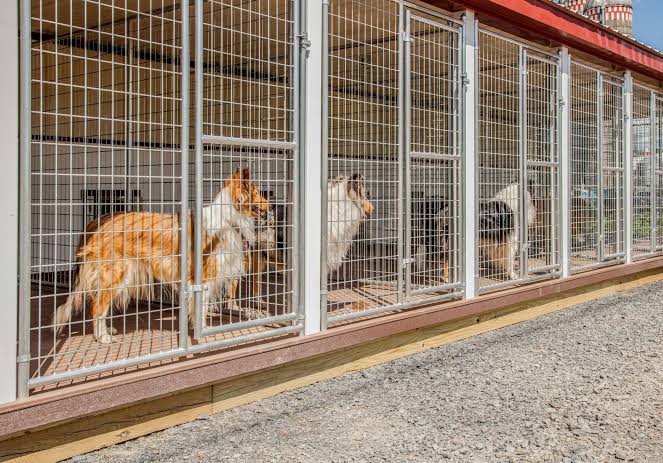
The plan comes as Provincial Veterinarian Mary Rose Vincoy reported that only 17 of the province’s 51 local government units (LGUs) have dog pounds, including Mandaue City but excluding the highly urbanized cities of Cebu and Lapu-Lapu.
An audit also found that some existing facilities failed to meet required standards, Vincoy said in an interview on Tuesday, Oct. 20.
“Their facilities are the primary concern. Number one, their facilities did not pass the standards,” she said in a mix of Cebuano and English.
The findings were discussed during the first meeting of the Provincial Animal Welfare Council (PAWC) at the Capitol on the same day.
Vincoy said the province is coordinating with LGUs and the Department of the Interior and Local Government (DILG) to address the deficiencies.
Under Republic Act 9482, or the Anti-Rabies Act of 2007, LGUs are responsible for implementing measures to control stray dogs and prevent rabies.
These measures include dog registration, vaccination, spaying and neutering, impounding and field control.
“One of the dog population management activities, aside from spaying and neutering, is that when there are already too many dogs, they really need to impound them,” Vincoy said.
However, limited local resources and competing priorities can affect the implementation of animal-control programs.
Staffing shortages pose another challenge, particularly in the province’s first-class municipalities.
Of the 25 first-class municipalities, only four have permanently hired veterinarians, while two have consultants, Vincoy said.
Some municipal agriculturists have had to handle veterinary work because of the shortage. But consultants cannot perform certain regulatory functions that require a government-hired veterinarian, she said.
The Provincial Veterinary Office has also struggled to fill its vacancies, with some recruitment periods attracting few or no applicants.
Although the office has hired animal science graduates to supplement its workforce, positions that require veterinary qualifications must be filled by licensed veterinarians.
Vincoy attributed the shortage partly to the limited number of veterinary schools in Cebu and the pandemic’s effect on the number of graduates.
She encouraged LGUs with the resources to do so to hire their own veterinarians.
Vincoy said veterinary staffing is essential to rabies prevention because authorities must act on animals before the disease reaches people. The Provincial Veterinary Office and Provincial Health Office coordinate on prevention efforts, but vaccination and stray-animal control begin at the local level.
The province established the PAWC through Executive Order 59, issued by Baricuatro in October 2025, to formalize programs on animal welfare and rabies control.
The council develops policies and programs, monitors LGU compliance with animal welfare and rabies-control laws, and provides technical assistance on the humane treatment, care and shelter of animals.
The order also directs the Provincial Veterinary Office, in coordination with the council, to regularly inspect LGU dog pounds and report on their condition and compliance with required standards.
In August 2026, Baricuatro issued Executive Order 45 creating the Cebu Provincial Anti-Rabies Council as the policy, coordination, monitoring and oversight body for the province’s rabies-control program.
Vincoy said the audit results and shortage of veterinarians highlight the need for LGUs to strengthen both their animal-control facilities and veterinary services.















Comments