



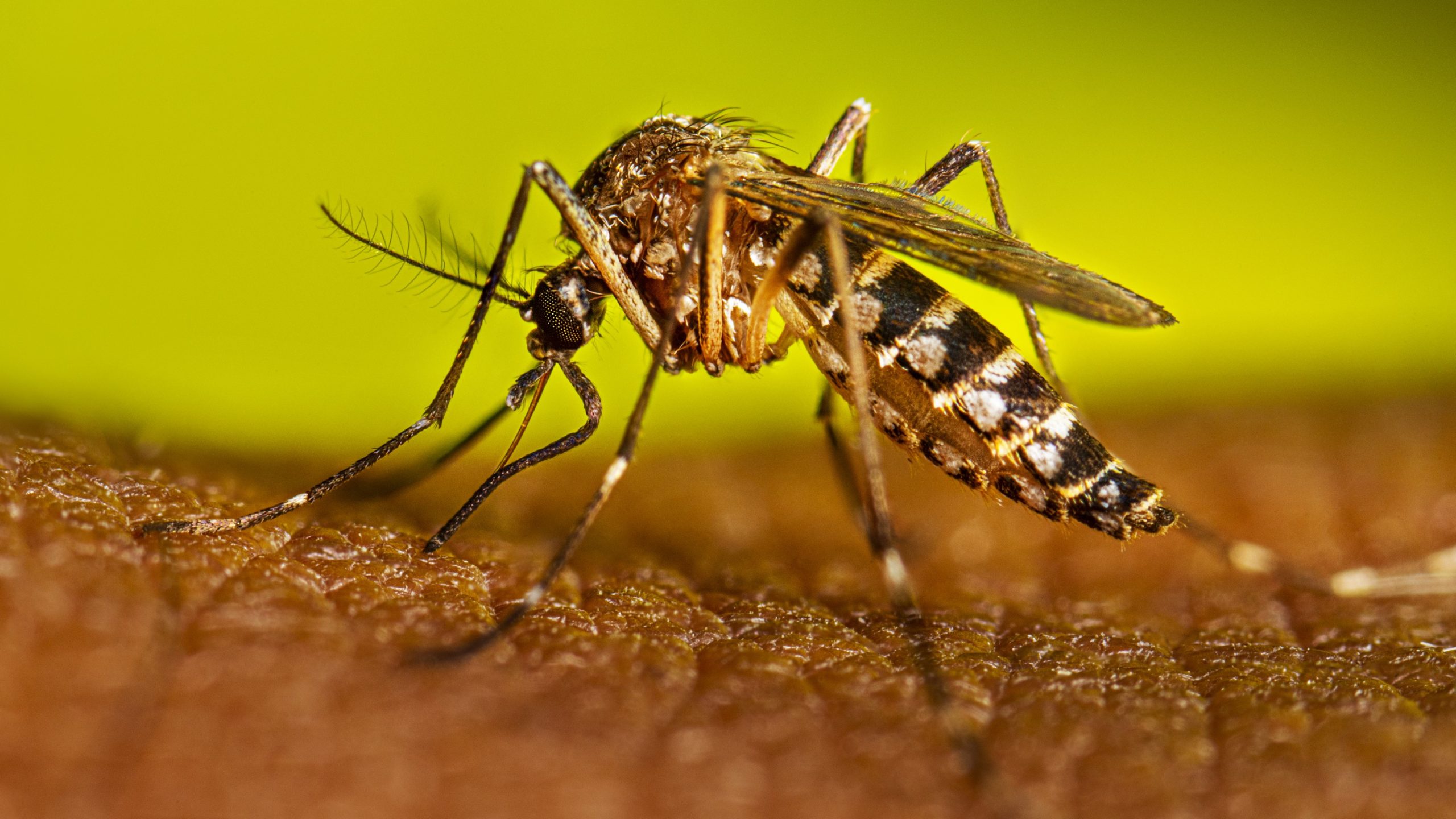
Dengue cases in Central Visayas have nearly doubled the total recorded in 2025, while fatalities have also increased sharply, raising concerns over the growing impact of the mosquito-borne disease in the region.
The Department of Health Central Visayas (DOH 7) recorded 21,357 cases from Jan. 4 to Nov. 14, 2026, already exceeding the 10,881 cases reported throughout 2025.
Dr. Van Philip Baton, officer in charge and chief of the DOH 7 Local Health Support Division, said the figures reflect problems in controlling transmission and managing dengue cases.
“This already points out that we have a problem in terms of controlling our transmission and also our management,” Baton said during a briefing on Monday, Nov. 23.
The region also logged 119 deaths during the 2026 reporting period, more than five times the 23 fatalities recorded for the entire year of 2025.
Cebu province accounted for the highest number of cases at 7,816, followed by Bohol with 5,623, Cebu City with 4,732, Lapu-Lapu City with 1,968 and Mandaue City with 1,218.
Bohol also reported the most deaths at 42, followed by Cebu province with 40, Cebu City with 22, Lapu-Lapu City with eight and Mandaue City with seven.
Children aged 6 to 10 accounted for 25 percent of cases, the largest share among the age groups. Patients aged 21 and older, including senior citizens, made up 24 percent, while children aged 1 to 5 accounted for 21 percent.
Patients aged 11 to 15 represented 17 percent of cases, those aged 16 to 20 accounted for 12 percent, and infants below one year old made up two percent.
Baton said the increase in influenza cases during the second half of the year could add to the burden on hospitals, particularly as facilities attend to patients with overlapping symptoms.
He also identified warm and humid weather as a factor that could accelerate mosquito development and increase the risk of dengue transmission.
“The hotter or more humid the weather is, the faster mosquitoes mature into adults capable of biting and transmitting the disease,” Baton said.
He raised concerns over the projected El Niño phenomenon, which could prompt households to store water amid possible shortages.
Uncovered or improperly maintained water containers could become mosquito breeding sites.
Baton clarified that local government units (LGUs), not DOH 7, have the authority to declare a dengue outbreak.
Local officials must assess the severity of cases and their capacity to respond, including the availability of hospital beds, health personnel and other resources. No fixed number of cases automatically triggers an outbreak declaration.
Bohol declared a province-wide dengue outbreak on Aug. 25 through Executive Order (EO) No. 40, Series of 2026, signed by Governor Erico Aristotle Aumentado.
The order calls for intensified dengue prevention and control measures, the reactivation of local dengue task forces and community participation in eliminating mosquito breeding sites.
It also directs health facilities to establish Dengue Fast Lanes, strengthen patient referral systems and provide resources for dengue-related supplies and services.
Baton said DOH 7 provides technical assistance and guidance to LGUs. He added that the department had not received feedback indicating that Cebu province and its highly urbanized cities were planning to declare dengue outbreaks.
To strengthen prevention, DOH 7 has activated Aedes-borne viral disease program coordinators and surveillance units in Cebu province and highly urbanized cities.
The department has also deployed surveillance officers across highly urbanized cities, component cities and municipalities in Cebu and Bohol.
Baton urged barangays to intensify surveillance and regularly identify and eliminate mosquito breeding sites. He cautioned that misting operations alone would not stop transmission because they target adult mosquitoes but do not eliminate larvae.
He said communities must combine misting with the removal of breeding grounds.
Baton also advised residents to seek medical attention early, particularly when children and elderly people develop fever.
He warned against assuming that fever comes from influenza because its symptoms may overlap with dengue.
“That is our warning to both the LGU and the community: to always err on the safer side,” Baton said.
DOH 7 has distributed insecticides and equipment to support local dengue prevention and control efforts.















Comments