



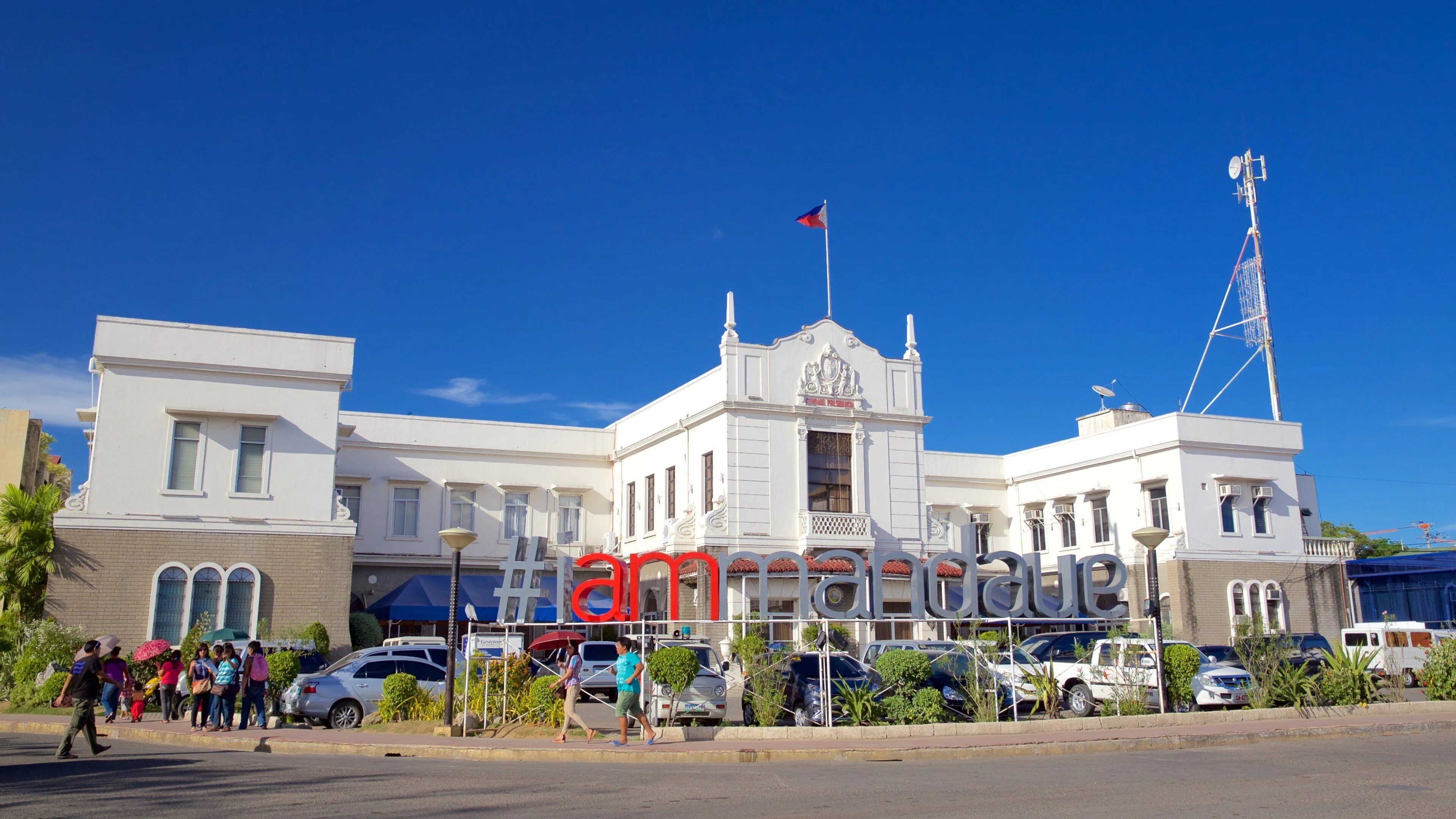
Mandaue City is stepping up community efforts against dengue by urging all 27 barangays, public schools and government agencies to conduct weekly clean-up drives and eliminate potential mosquito breeding sites.
The City Council approved a resolution calling for regular inspections and clean-up activities as the city recorded 1,275 dengue cases and eight deaths as of Nov. 19.
The measure calls on the Mandaue City Health Office (MCHO), Department of Education (DepEd) Mandaue City Division, barangay officials and other concerned agencies to coordinate efforts to identify and remove areas where mosquitoes can breed.
Councilor Raul Kevin Cabahug V, chairman of the Committee on Health, said on Nov. 23 that communities must maintain regular clean-up activities to prevent further infections.
“Di ta kapoyan og pahinumdom sa public, labi na sa mga agencies, nga mag-weekly cleanup na ta,” (We should not get tired of reminding the public, especially government agencies, to conduct weekly clean-ups.) Cabahug said.
He said residents should make cleaning a regular practice, particularly during the rainy season, instead of waiting until they notice possible breeding sites.
“Mao bitaw naa tay 4 o’clock habit recommended by DOH (Department of Health), kay dili pwede nga manglimpyo lang ta kung feel nato,” (That is why the DOH recommends the 4 o’clock habit. We cannot clean only when we feel like doing it.) he said.
Cabahug warned that postponing clean-up activities after rainfall could allow mosquitoes to establish breeding sites in areas where water accumulates.
“Usahay man gud uwan, ‘aw okay lang, after three days ra manglimpyo,’ pero wala ta kahibaw nga na-breeding ground na diay to,” (Sometimes it rains and people think it is fine to clean up after three days, but they do not realize that the area may already have become a breeding ground.) he said.
Under the resolution, barangays and concerned offices are encouraged to conduct weekly searches and destroy potential mosquito breeding sites in both public and private properties.
Schools and barangays are also expected to inspect their surroundings regularly and remove stagnant water and other conditions that allow mosquitoes to multiply.
Cabahug said the city’s investigation found that most of the mosquitoes collected and examined were Aedes aegypti, a species known to transmit dengue.
The resolution cited MCHO data showing that the city’s dengue cases had exceeded the number recorded during the same period last year.
Five of the eight deaths occurred this November. The fatalities included two five-year-old pupils from Opao Elementary School who lived in Barangays Umapad and Opao.
Their deaths prompted surveillance and investigations to identify possible infection sources and mosquito breeding areas.
For the entire 2025, Mandaue recorded 520 dengue cases and three deaths.
Cabahug stressed that dengue prevention requires cooperation among residents and local authorities because mosquitoes can spread beyond individual neighborhoods.
“Kita gyud tanan ang magtinabangay, manglimpyo gyud ta,” (All of us must work together and keep our surroundings clean.) he said.
He said all 27 barangay captains and health workers were scheduled to meet on Tuesday afternoon, Nov. 24, to discuss immediate measures in response to the rising dengue cases.















Comments