



DOH warns ‘silent killer’ rising
High blood pressure is becoming more common among working-age Filipinos, and many don’t even know they have it.
This was the warning of health officials as new national data revealed that hypertension is now affecting a significant portion of the country’s adult population.
The Department of Science and Technology–Food and Nutrition Research Institute (DOST-FNRI) reported that 13 percent of Filipinos aged 20 to 59 were found to have high blood pressure in its 2023 nutrition survey.
The Department of Health (DOH) said the findings highlight the growing impact of lifestyle-related illnesses in the country.
The DOH urged adults to reexamine their daily habits, calling hypertension a “silent killer” that often presents no symptoms until organ damage has already begun.
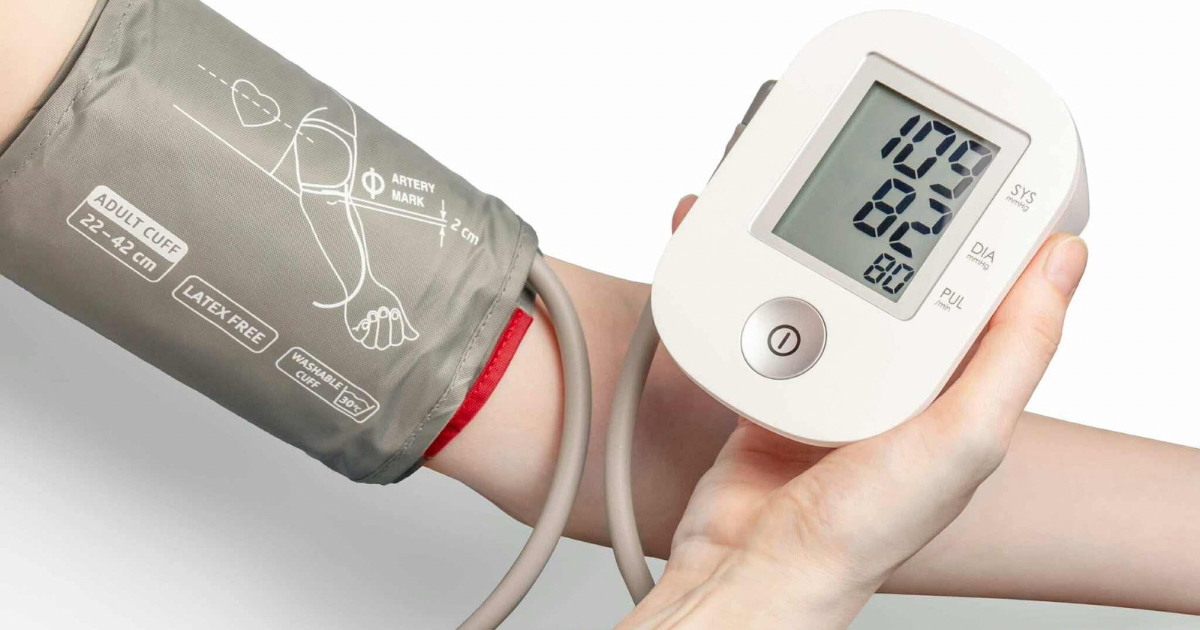
Adult cardiologist Dr. Alena Pias Bantolo stressed how important it is to regularly check blood pressure.
She explained that high blood pressure can only be accurately diagnosed through repeated measurements taken over time.
“Ang pinaka-basehan sa hypertension ay yung blood pressure mismo,” she said.
“Kapag umabot sa 140/90 pataas, pasok na ’yan sa hypertension. Pero kailangan makita ito nang hindi bababa sa dalawang beses sa clinic para siguradong accurate,” she added.
She added that many patients assume they are healthy simply because they feel no discomfort.
According to Bantolo, prolonged high blood pressure can damage multiple organs.
“Pwede po itong magdulot ng stroke, heart attack, heart failure, at pati ’yung pagkapinsala ng kidneys na nauuwi sa dialysis,” she said.
The World Health Organization (WHO) notes that hypertension contributes to millions of premature deaths worldwide, with more than 1.4 billion adults currently living with the condition.
Many patients also stop taking their medication once their blood pressure stabilizes, but Bantolo warned against doing so without medical guidance.
“Normal ang BP dahil sa gamot,” she said. “Dapat may regular monitoring at follow-up sa doktor para makita kung kailangan pang ituloy o i-adjust ang gamot.”
Health authorities reiterated that small, consistent adjustments to daily habits can significantly reduce hypertension risk. These include:
• Checking blood pressure regularly
• Cutting back on salt and processed food
• Engaging in physical activity for at least 30 minutes daily
• Maintaining a healthy weight
• Avoiding smoking and excessive alcohol intake
• Incorporating fruits and vegetables into meals
• Managing stress levels
The WHO adds that air pollution, aging, and hereditary factors can further increase the likelihood of developing high blood pressure, making early screening even more important.
In many cases, people do not realize they have hypertension until complications arise. Some experience headaches, dizziness, or blurry vision, while others feel no symptoms at all.
Experts emphasize that early screening is essential because blood pressure can easily be checked at home or in clinics. (LLP)















Comments