



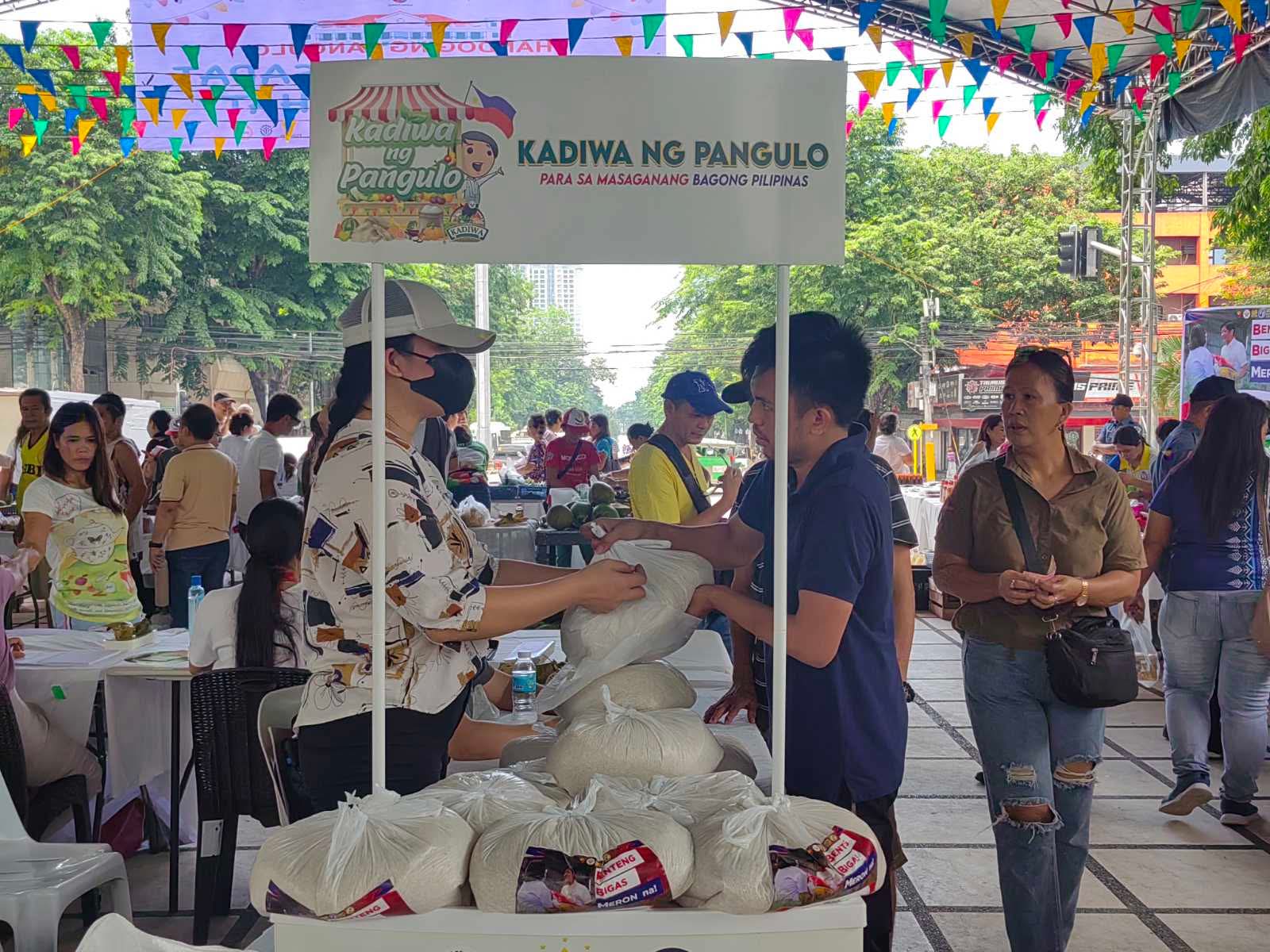
Cebu City is set to roll out its P20-per-kilo rice program after the City Council approved a revised agreement with Food Terminal Inc. (FTI) that introduces stronger safeguards to prevent fund misuse and ensure fair distribution.
During a special council session on December 19, Mayor Nestor D. Archival was authorized to sign the Amendatory Memorandum of Agreement (AMOA) with FTI, the state-run agency supplying rice for the national government’s Kadiwa ng Pangulo initiative.
Under the new arrangement, all rice stocks remain the property of FTI until sold or distributed. The city will act as consignee-administrator, tasked with safekeeping, inventory tracking, and reporting, without any obligation to pay upfront.
“This structure ensures public funds are only disbursed after actual sale or distribution, and clearly separates the transaction from a sale,” City Attorney Briccio Joseph Boholst said.
He added that proceeds will be treated as trust funds, subject to segregation, verification, and proper liquidation, while the city’s liability is limited to negligence.
Pilot Rollout, Barangay-Level Management
Archival said Cebu City will begin with a limited pilot rollout of 10,000 sacks to test the system before wider distribution.
Barangays will set local rules for sale and distribution, while FTI may designate specific selling areas for the subsidized rice.
“Ang akong initial request is 10,000 sacks sa Cebu City. Kung dili ni mabaligya, ato ni i-redistribute sa ubang lugar,” Archival said.
He emphasized that senior citizens will still have access through existing Kadiwa outlets, including sites near FTI in Tejero.
The mayor stressed that safeguards are in place to avoid problems seen in other cities, such as Mandaue, where hundreds of sacks of subsidized rice reportedly went to waste due to poor handling.
Council Debate and Approval
The amended agreement follows months of discussion in the City Council.
Vice Mayor Tomas Osmeña had earlier opposed Cebu City’s participation, warning that without a strong system, the program could be prone to leakage or spoilage.
The measure passed narrowly, 7–6 with one abstention, clearing the way for the city to move forward with the rice subsidy program.
Funding and Implementation
FTI sells rice at P20 per kilo, procured at around P33 per kilo, with the P13 difference shared by the national and local governments.
Archival said the city’s contribution of roughly P6 per kilo would still have a meaningful impact on low-income households.
Officials hope to launch the program before year-end, although rice availability will determine the actual start date.
Eligible beneficiaries include indigent families, senior citizens, persons with disabilities, solo parents, disaster victims, and indigenous peoples.
The P20-per-kilo rice initiative is a key government program under President Ferdinand Marcos Jr., aimed at helping vulnerable communities cope with rising food prices. (LLP)















Comments