



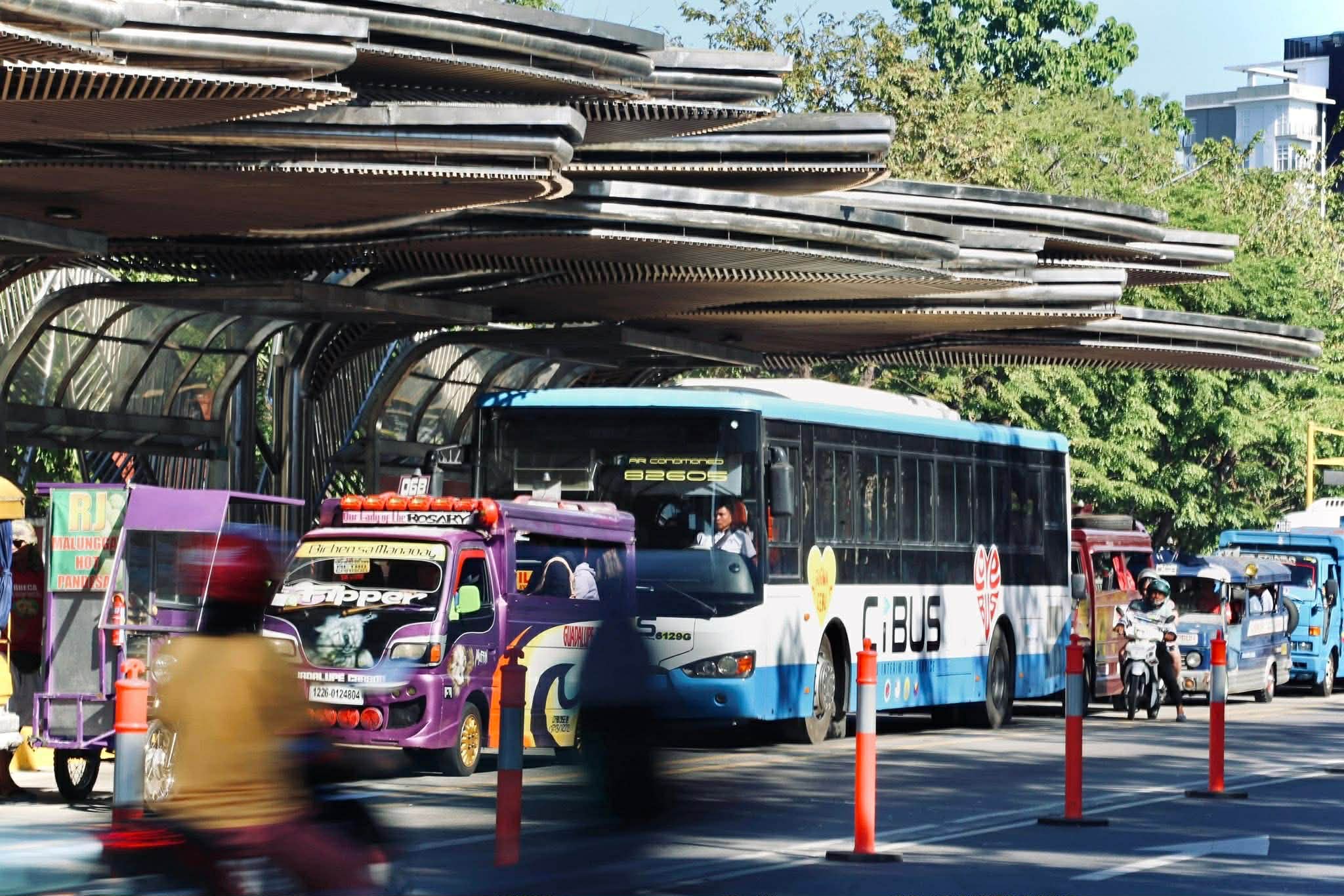
In Cebu City, what was once envisioned as a faster, more efficient public transport system is now facing growing scrutiny.
A Cebu Bus Rapid Transit (CBRT) bus was recently seen stuck in traffic along Osmeña Boulevard on March 19, raising concerns just days after the system began partial operations on March 13. The situation followed a decision by city officials to allow both modern and traditional jeepneys to use lanes originally designated exclusively for BRT buses.
What Changed and Why It Matters
The adjustment was introduced as a response to mounting traffic complaints. Authorities argued that opening the lanes would help ease congestion across major roads. On paper, the move seems practical. In reality, it challenges the very foundation of a Bus Rapid Transit system.
BRT systems are designed around one core principle: dedicated, traffic free lanes that allow buses to move quickly and predictably. Without that separation, buses lose their speed advantage and risk becoming just another vehicle in the flow of traffic.
The Growing Concern
Transport advocates and urban planners are now questioning whether the system can still deliver on its promise. If buses are forced to share space with other vehicles, travel times may become inconsistent, undermining commuter trust and system reliability.
For daily commuters, the expectation was clear. Faster trips, less waiting, and a dependable alternative to traditional transport. With the current setup, that expectation is being put to the test.
Bigger Picture for Urban Mobility
This development highlights a broader issue in city planning. Balancing immediate traffic relief with long term infrastructure goals is never simple. Short term fixes, while helpful in the moment, can sometimes dilute the effectiveness of projects designed for lasting impact.
Where Things Go From Here
As Cebu continues to refine its transport system, the key question remains whether the CBRT can still evolve into the efficient network it was meant to be. Future adjustments, enforcement of lane discipline, and public cooperation will all play a role in determining its success.
For now, the conversation continues. Is it still “rapid” transit, or just another bus caught in traffic?















Comments