



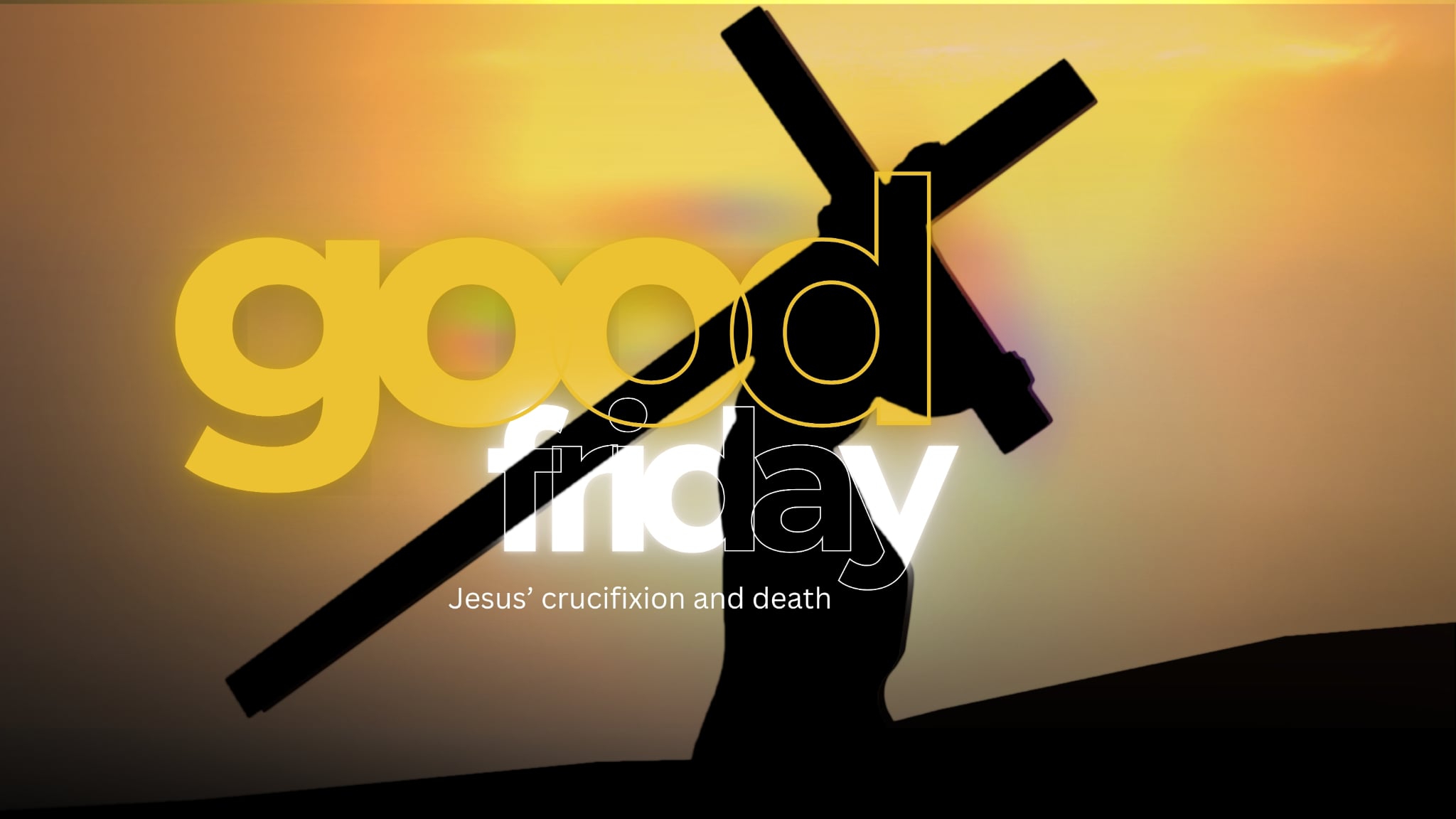
Good Friday is one of the most solemn observances in the Christian calendar, commemorating the crucifixion and death of Jesus Christ at Calvary. Observed during Holy Week, it follows Maundy Thursday and forms part of the Sacred Triduum, leading to the celebration of Easter Sunday.
On this day, Christians around the world reflect on the suffering and sacrifice of Jesus, who gave His life for the redemption of humanity. Churches hold solemn liturgical services, often highlighted by the reading of the Passion of Christ, veneration of the cross, and moments of silence and prayer. Unlike regular Mass, the Good Friday liturgy emphasizes mourning and contemplation.
In the Philippines, Good Friday is deeply rooted in tradition and faith. Many devotees participate in the Stations of the Cross, while others attend the “Seven Last Words” reflection, meditating on the final statements of Jesus before His death. Religious processions depicting scenes from Christ’s passion are also held in various communities, drawing large numbers of faithful observers.
Some Filipinos express their devotion through acts of penance, fasting, and abstinence, while others take part in more intense practices as a form of sacrifice and thanksgiving. Despite these traditions, Church leaders continue to remind the faithful that the true essence of Good Friday lies in sincere repentance, compassion, and living a Christ-centered life.
As the nation observes this sacred day, Good Friday serves as a powerful reminder of unconditional love, sacrifice, and hope—values that continue to inspire faith and unity among believers.















Comments