
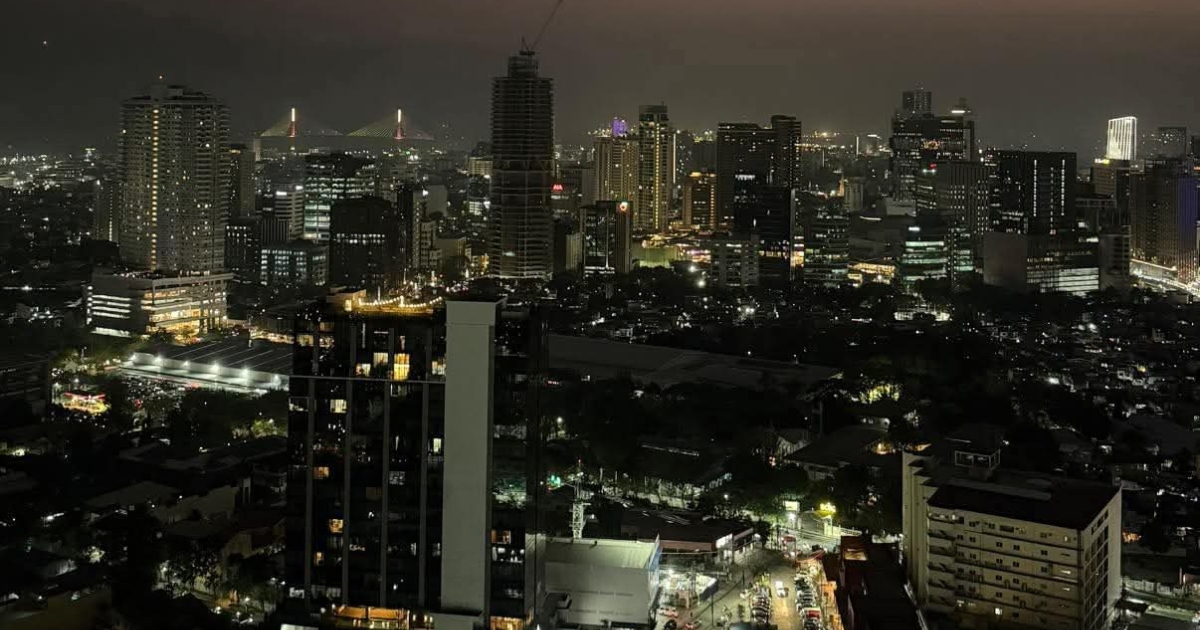
A thin haze over Metro Cebu on Friday morning pointed to more than just reduced visibility, as monitoring stations recorded a spike in fine particulate pollution with potential health risks.
Air quality levels in parts of Metro Cebu reached the “Unhealthy for Sensitive Groups” category on April 17, driven by elevated concentrations of fine particulate matter, according to data from the Department of Environment and Natural Resources–Environmental Management Bureau (DENR-EMB) Central Visayas.
As of 8 a.m., the CAAMS-PMS monitoring station at Talisay City Hall recorded PM2.5 at an Air Quality Index (AQI) of 101, while PM10 levels were at AQI 72, classified as “Fair.”
In contrast, readings from Barangay Cabitoonan in Toledo City showed significantly lower pollution levels, with PM10 at AQI 3 and PM2.5 at AQI 5, both under the “Good” category.
PM2.5 refers to fine inhalable particles measuring 2.5 micrometers or smaller—about 30 times thinner than a human hair—allowing them to penetrate deep into the lungs and bloodstream.
At an AQI of 101, air quality is considered unhealthy for sensitive groups, including children, older adults, pregnant women, and individuals with respiratory or heart conditions.
Authorities said while the general public may not immediately experience symptoms, prolonged or repeated exposure can still pose health risks.
The DENR-EMB noted haze conditions in some parts of Metro Cebu, consistent with the elevated particulate levels recorded at the Talisay station.
However, environmental health experts emphasized that the most harmful pollutants, particularly PM2.5, are not always visible and may be present even when skies appear only slightly hazy.
The agency also pointed out that air quality conditions can vary widely across locations, as seen in the contrast between Metro Cebu and Toledo City data.
With PM2.5 levels crossing the threshold, authorities advised residents to limit prolonged outdoor exposure, especially during peak hours.
The DENR-EMB also recommended the use of N95 masks for those going outdoors, particularly individuals in high-risk groups.
Monitoring remains ongoing, especially amid reported atmospheric disturbances linked to volcanic unrest in the region.
The Air Quality Index categorizes pollution levels from “Good” to “Emergency,” with the current reading in Metro Cebu falling under a level that may already affect vulnerable populations.
Officials said even short-term increases in PM2.5 can impact respiratory health, underscoring the need for continued monitoring and precautionary measures. (LLP)
Photo by Ariel Alegado

Comments