



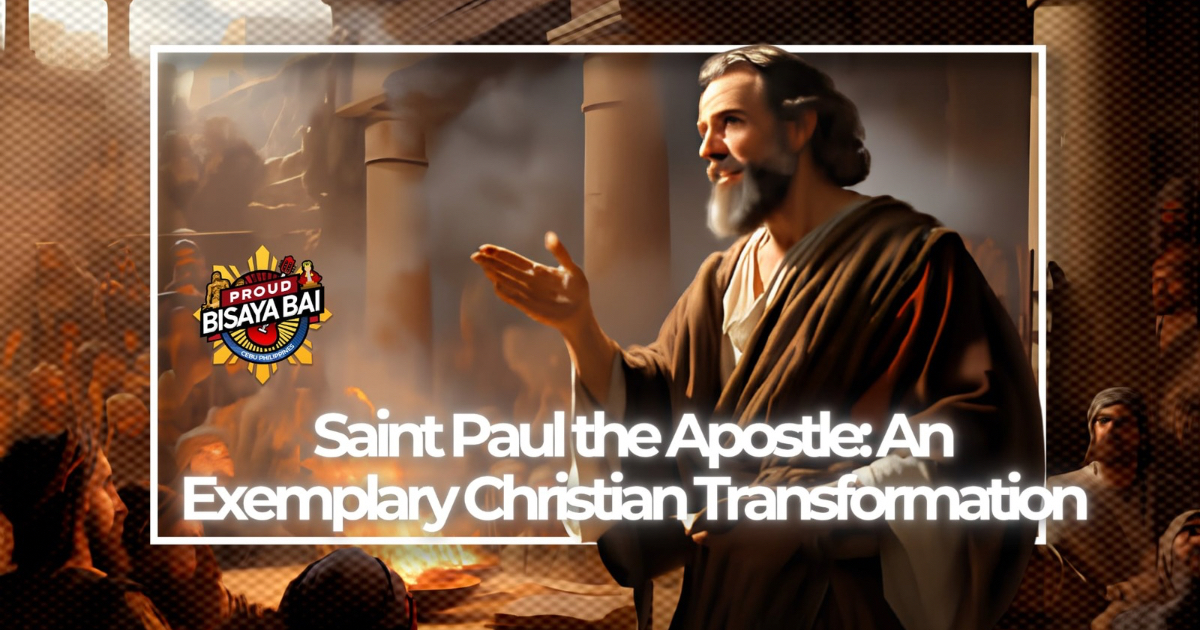
Saint Paul the Apostle stands as one of the most remarkable figures in Christian history, best known for his dramatic transformation from a persecutor of Christians into one of the most influential missionaries of the early Church. His life is often described as a powerful example of conversion, faith, and mission-driven purpose.
History of Saint Paul
Saint Paul was originally known as Saul of Tarsus, born in Tarsus (modern-day Türkiye) around 5–10 AD. He was a Roman citizen and was raised as a devout Jew under strict Pharisaic traditions. Saul initially opposed Christianity and became known for persecuting early Christians.
One of the most significant turning points in Christian history happened on the road to Damascus. According to the Bible (Acts 9:1–19), Saul was traveling to arrest followers of Jesus when he experienced a divine encounter. He saw a bright light from heaven and heard the voice of Jesus asking, “Saul, Saul, why do you persecute me?” This event left him temporarily blind until he was healed by a disciple named Ananias. After this experience, Saul converted to Christianity and became known as Paul.
Following his conversion, Paul dedicated his life to preaching the Gospel. He embarked on several missionary journeys throughout regions such as modern-day Israel, Syria, Greece, Cyprus, and Rome. He established Christian communities and wrote letters—known today as the Pauline Epistles—which form a significant part of the New Testament. These include Romans, Corinthians, Galatians, Ephesians, and more.
Saint Paul was eventually arrested for preaching Christianity and was brought to Rome. Tradition states that he was martyred around 64–67 AD during the persecution of Christians under Emperor Nero. Since he was a Roman citizen, he was executed by beheading rather than crucifixion.
Feast Day of Saint Paul
Saint Paul shares a feast day with Saint Peter on June 29, celebrated as the Feast of Saints Peter and Paul in the Roman Catholic Church, Eastern Orthodox Church, and many Christian denominations worldwide. This feast honors their contributions to the Church and their martyrdom in Rome.
Another important feast connected to him is the Feast of the Conversion of Saint Paul, celebrated every January 25, commemorating his dramatic conversion on the road to Damascus.
Where Is Saint Paul’s Oldest Church Located?
The oldest church associated with Saint Paul is believed to be the Basilica of Saint Paul Outside the Walls (Basilica Papale di San Paolo fuori le Mura) in Rome. It was originally built in the 4th century under Emperor Constantine over the traditional burial site of Saint Paul after his martyrdom.
This major basilica is one of the four papal basilicas of Rome and remains an important pilgrimage destination for Christians around the world. Although the original structure suffered damage from a fire in 1823, it was rebuilt and continues to preserve Saint Paul’s tomb.
Another significant site is the Church of Saint Paul’s Grotto in Tarsus, which honors his birthplace and early life.
Legacy of Saint Paul
Saint Paul’s teachings continue to shape Christian theology and inspire believers around the world. His life is a powerful reminder that transformation is possible and that faith can lead people toward a greater purpose. From persecutor to preacher, Saint Paul remains one of Christianity’s greatest saints and missionaries.















Comments