



Nuclear power moved from policy tables to public debate this week as the Philippines laid out a long-term energy plan while officials and stakeholders split over whether the country can safely and realistically deploy reactors within its timeline.
The Department of Energy (DOE) unveiled its nuclear roadmap during The Freeman’s Power Forward Visayas forum on Friday, presenting a phased strategy that stretches toward 2050 as part of a broader shift in the country’s power mix.
DOE Visayas Director Renante Sevilla said nuclear development will proceed gradually, backed by planning work and sustained public engagement.
He said the agency has organized six clusters to support the program, covering information campaigns, technical preparation, and site identification, alongside the creation of a dedicated unit for nuclear planning and deployment.
The DOE said nuclear energy remains included in the country’s clean energy roadmap, with projected capacity targets of 1,100 to 1,200 megawatts by 2032 and up to 4,800 megawatts by 2050.
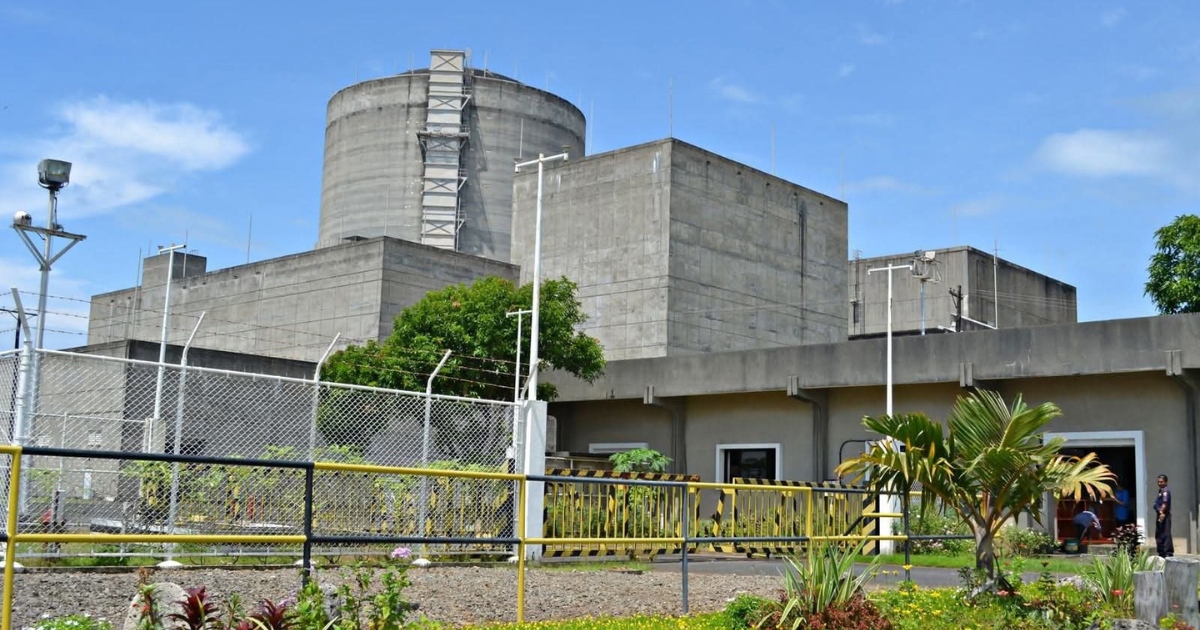
Sevilla also revisited the Bataan Nuclear Power Plant as a key reference point in policy discussions, citing its completion but lack of operation.
“We learn our lessons from the previous experience… We all know our Bataan nuclear power was considered a white elephant… it was constructed, it was tested. Unfortunately, it was not used,” he said.
Attention to nuclear energy intensified a day before the forum when Pangasinan 2nd District Representative Mark Cojuangco spoke at a media roundtable, urging a stronger push for nuclear development amid concerns over imported fuel dependence.
He said long-standing reliance on external energy sources has left the country exposed to volatile global markets.
Cojuangco called for a defined national direction on nuclear energy, saying it should be treated as essential to long-term energy stability.
“We are sitting on valuable infrastructure that can significantly lower electricity costs and reduce our dependence on imported fuels. The question is no longer whether nuclear energy is viable. It is whether we are willing to act,” he added.
Opposition also persisted. Greenpeace Philippines campaigner Jefferson Chua warned last year that the government’s nuclear direction poses serious risks, following the signing of Republic Act No. 12305 that created the Philippine Atomic Energy Regulatory Authority.
Chua said environmental groups have long raised safety concerns tied to nuclear development and warned that the country’s exposure to natural disasters such as typhoons and earthquakes increases potential risks.
Photo courtesy of BNPP / Facebook















Comments