



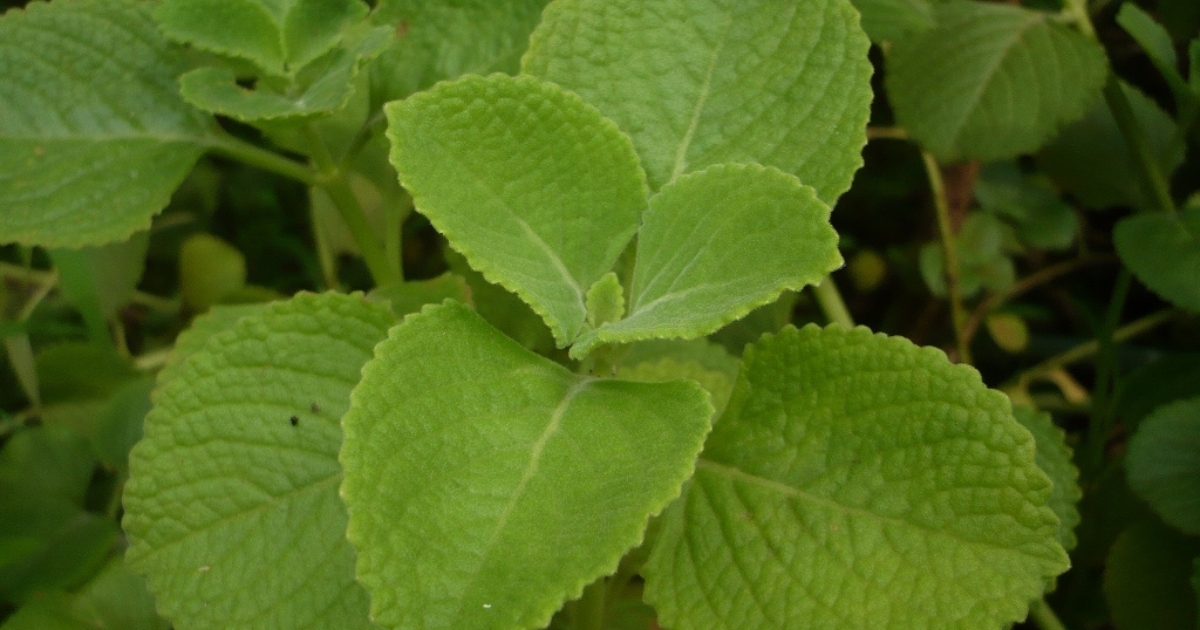
A common plant found in many Filipino backyards is gaining attention for more than just its familiar aroma. Coleus amboinicus, locally known as Kalabo, has long been used in Filipino households as a natural remedy for common health concerns.
Kalabo contains natural compounds such as thymol and carvacrol, which are known for their antimicrobial and anti-inflammatory properties.
Traditionally, the herb is prepared as tea or an herbal infusion and is commonly used to help relieve cough, ease mild respiratory discomfort, aid digestion, and manage minor skin issues such as acne. Its strong aromatic oils are also believed to help repel insects, making it a practical plant to keep at home.
Recent studies in pharmacology and microbiology have also supported many of its traditional uses. Research shows that extracts from Coleus amboinicus may help slow the growth of certain harmful bacteria and reduce inflammation at the cellular level.
Despite its promising benefits, health experts remind the public that herbal remedies should only complement proper medical treatment—not replace prescribed medication.
As a readily available and sustainable medicinal plant, Kalabo continues to highlight the value of traditional Filipino herbal knowledge in promoting preventive healthcare and community wellness when used responsibly.
Source: Science Department
Photo courtesy of Wikipedia















Comments