
A sharp surge in rice prices has triggered fresh warnings in the Senate, as rice inflation hit 13.7 percent in April 2026, prompting calls for stricter action against alleged hoarding and profiteering.
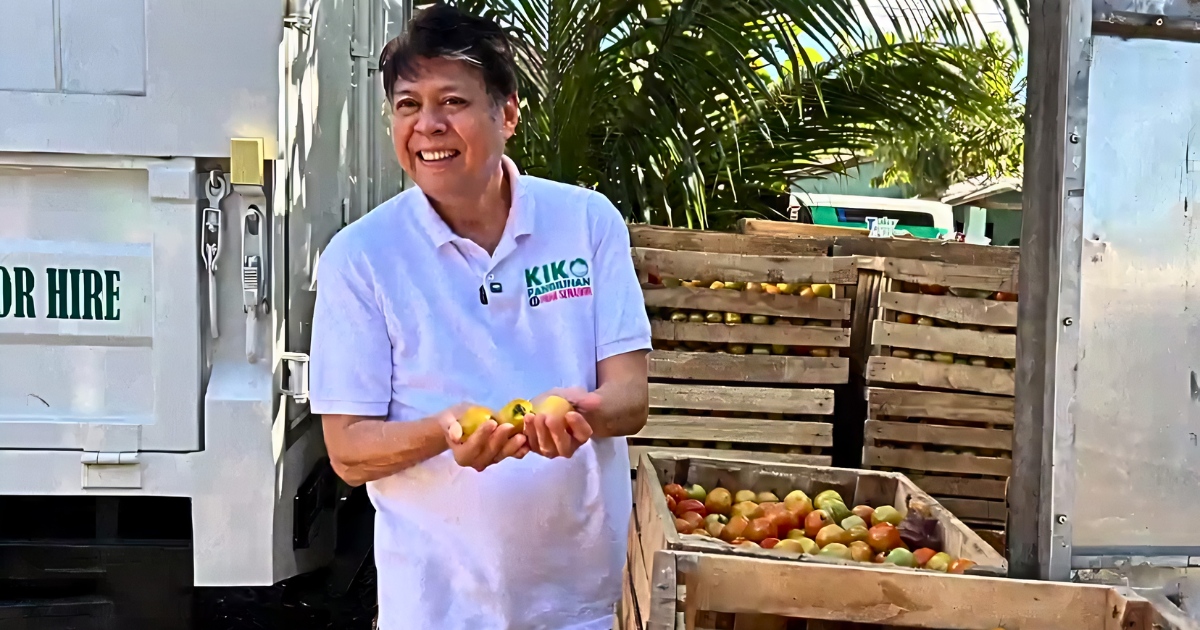
Senator Francis “Kiko” Pangilinan, chair of the Senate Committee on Agriculture, Food, and Agrarian Reform, raised concern over the spike and urged government agencies to investigate possible market manipulation behind rising costs.
“Nakakaalarma ang ganitong kataas na inflation rate at rice inflation rate dahil direkta ang epekto nito sa ating mga mamimili, mga mangingisda, at magsasaka. Isa na naman itong dagok sa araw-araw na kahirapan na dinadanas ng ating mga kababayan,” he said.
He said authorities should closely examine the source of the price increases, noting earlier assurances from the Department of Agriculture that rice supply remains sufficient until June.
“Dapat tingnan maigi ng gobyerno kung paano at saan nagmula ang mataas ng rice inflation dahil sinabi mismo ng DA na meron tayong sapat na supply ng bigas hanggang Hunyo,” he added.
The Philippine Statistics Authority reported that overall inflation rose to 7.2 percent in April 2026, driven largely by food and transport costs. Food inflation alone climbed to 6.1 percent from 2.7 percent in March.
Rice was identified as a major driver of the increase, with inflation for the staple rising to 13.7 percent from 3.5 percent the previous month, alongside a sharp 21 percent increase in corn prices.
Pangilinan warned that the price movements could indicate artificial inflation, citing possible violations of the Anti-Economic Sabotage Act, the Consumer Act, and the Price Act if hoarding or manipulation is proven.
The senator also pointed to broader pressure on households, particularly low-income families, as basic goods continue to rise alongside fuel and transport costs.
He stressed the need to strengthen local food production and reduce dependence on imports, saying the ongoing global tensions, including the Middle East crisis, are affecting supply chains and prices.
Pangilinan has been pushing for expanded government support to farmers and fisherfolk, including subsidies, access to affordable credit, and improved farm-to-market infrastructure.
He also cited the implementation of the Sagip Saka Act, which allows government agencies to directly procure agricultural products from farmers’ groups without public bidding, as a key tool to stabilize farm incomes and supply chains.
“The solution to inflation is not only controlling prices. We must strengthen local food production and ensure farmers and fisherfolk get adequate support,” he said.
The senator likewise called for tighter monitoring systems to prevent hoarding and abuse, and for better targeting of government assistance programs to vulnerable sectors.
He is currently pushing measures to reform the agriculture sector, including the renationalization of agricultural extension services and the revival of the Bureau of Agricultural Cooperatives, aimed at modernizing support systems for farmers and fisherfolk.

Comments