



Thailand has moved to significantly shorten visa-free stays for foreign tourists from more than 90 countries as authorities step up measures aimed at addressing crimes linked to some foreign nationals.
The policy shift comes amid rising concern over cases involving illegal employment, drug offenses, sex trafficking, and unauthorized business operations by foreigners in the country.
Officials said the changes are part of a broader effort to tighten immigration controls while still supporting tourism, which remains a major driver of the economy.
Under the revised arrangement approved by the cabinet, most eligible travelers will now be allowed to stay for up to 30 days without a visa, while some nationalities may be limited to 15 days.
The previous policy allowed visa-free stays of up to 60 days for more than 90 countries, including the United States, several European nations in the Schengen area, Israel, and countries in South America.
Tourism Minister Surasak Phancharoenworakul said the updated system will vary depending on nationality.
“The new visa-free duration would be decided on a country-by-country basis, with most foreign nationals granted stays of up to 30 days, while some could receive only 15 days,” he said.
Authorities also confirmed that tourists will still be allowed to extend their stay once by visiting immigration offices, although approval will no longer be automatic.
A government spokeswoman explained that the process will now involve stricter review by immigration officers.
“The 60 days was automatic but the renewal will be decided by the officer and tourists will have to explain why they are staying longer,” she said.
Officials said the adjustment is intended to address the misuse of long-stay visa exemptions, with Foreign Minister Sihasak Phuangketkeow earlier noting that the policy is part of efforts targeting transnational crime rather than any specific nationality.
Tourism remains central to Thailand’s economy, contributing more than 10 percent of gross domestic product.
However, visitor numbers have not yet fully recovered to pre-pandemic levels, despite steady growth in recent years.
Data from the tourism ministry showed foreign arrivals dropped by about 3.4 percent in the first quarter compared to the same period in the previous year, with a notable decline in visitors from the Middle East.
Despite this, the government is still projecting around 33.5 million foreign arrivals this year, slightly higher than the nearly 33 million recorded last year.
The visa policy reversal also marks a step back from the 2024 decision that extended visa-free stays from 30 to 60 days as part of post-pandemic recovery efforts to attract more international visitors.
Authorities said concerns have grown that the extended stay period was being exploited for illegal work and other violations, prompting tighter controls as Thailand continues balancing tourism growth with security enforcement.
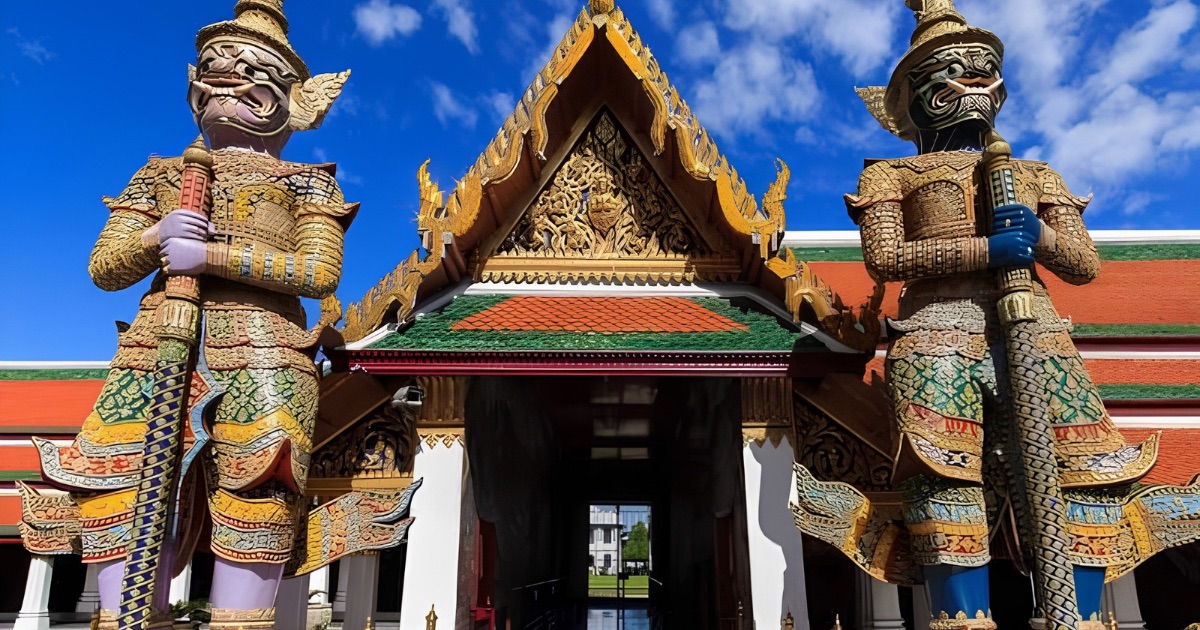
Photo courtesy of Insight Guides















Comments