



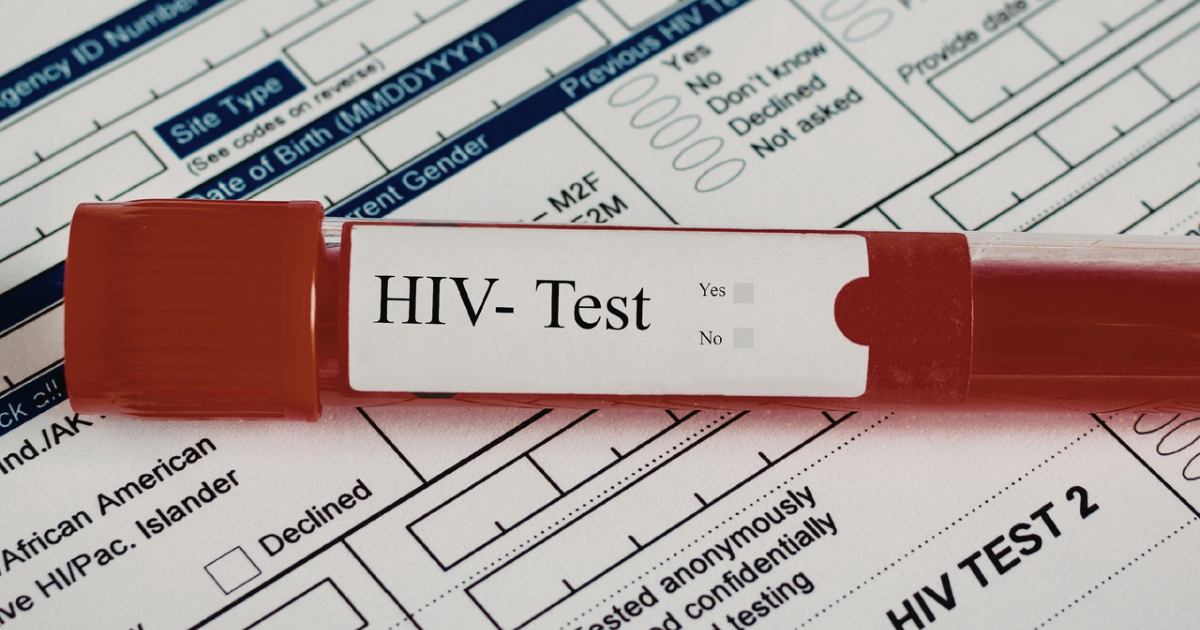
The Philippines’ HIV epidemic continues to grow, with younger Filipinos making up a rising share of new cases, according to the latest HIV and AIDS Continuum of Care report released by the Department of Health.
Data from the first quarter of 2026 estimated that around 288,000 Filipinos are now living with HIV, but only 55% have been diagnosed. Of those diagnosed, 69% are currently receiving antiretroviral therapy (ART), while just 57% of patients on treatment underwent viral load testing. Among those tested, however, 97% successfully achieved viral suppression — a key step in preventing transmission and improving quality of life.
The report showed that the country remains far from achieving the global “95-95-95” target adopted by the Philippines for 2030, which aims for 95% of people living with HIV to know their status, 95% of diagnosed individuals to receive treatment, and 95% of treated patients to achieve viral suppression.
One of the most alarming findings in the report is the growing number of young Filipinos affected by HIV. The DOH said cases among individuals aged 15 to 24 rose by 85% over the past five years, while infections among children below 15 years old increased by 111%.
Most diagnosed cases remain concentrated among males, accounting for 94% of all recorded infections since 1984. Sexual contact continues to be the leading mode of transmission, particularly among males who have sex with males.
The National Capital Region, CALABARZON, Central Luzon, Central Visayas, and Davao Region recorded the highest number of new diagnoses, collectively accounting for the majority of HIV cases nationwide.
Despite the continuing rise in infections, the report noted some encouraging developments. Enrollment in pre-exposure prophylaxis (PrEP) — a medication that helps prevent HIV infection — increased by 16% during the first quarter of 2026, with more than 8,000 new enrollees recorded. Since 2021, nearly 97,000 Filipinos have signed up for the preventive treatment program.
Health officials also highlighted ongoing challenges in treatment retention and early diagnosis. Around 31% of newly diagnosed patients were already experiencing advanced HIV disease at the time of diagnosis, indicating that many Filipinos are still getting tested late.
The report further revealed that 477 deaths related to HIV were recorded in the first quarter of 2026, bringing the total number of deaths since 1984 to more than 10,700.
The DOH urged the public to strengthen awareness, testing, and treatment efforts, especially among vulnerable and younger populations, as the country continues to battle one of the fastest-growing HIV epidemics in the Asia-Pacific region.















Comments