



Cebu City is moving to replace punitive responses with welfare-based intervention for elderly residents in distress. A proposed ordinance seeks to prohibit unnecessary arrest or detention of vulnerable senior citizens and instead mandate immediate social assistance and protection.
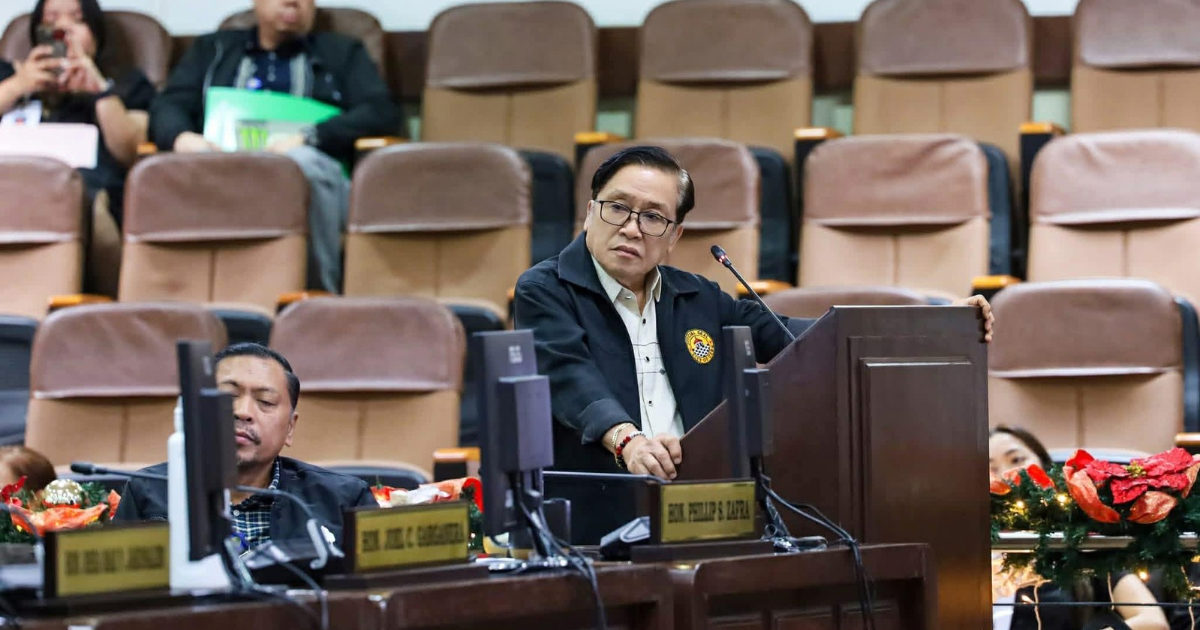
Councilor Paston “Jun” Alcover Jr. introduced the measure following public criticism over the detention of a 68-year-old harmonica player under the city’s anti-mendicancy campaign.
The proposal frames poverty, homelessness, and abandonment among seniors as social welfare concerns rather than offenses.
Under the draft ordinance, the city would establish a “comprehensive protection, assistance, welfare, residential care, and livelihood program” for indigent, abandoned, neglected, abused, and homeless elderly persons. It explicitly states that “poverty, homelessness, abandonment, hunger, and old age should never be treated as crimes.”
The measure would bar the arrest, handcuffing, detention, or imprisonment of senior citizens for survival-related acts such as asking for alms, sleeping in public spaces due to homelessness, vending small goods, or performing street music.
It also prohibits verbal abuse, humiliation, and excessive force during enforcement operations.
Instead of detention, authorities would be required to coordinate with the Department of Social Welfare Services (DSWS) for immediate intervention, including shelter, food, medical care, psychosocial support, transportation, and livelihood assistance.
The ordinance also proposes a dedicated Senior Citizens Humanitarian Response Desk to handle rescue and case management.
A key feature of the proposal is the creation of a “Cebu City Home for the Aged and Senior Care and Livelihood Community,” envisioned as a long-term residential facility integrating healthcare, counseling, recreation, and livelihood programs such as gardening, crafts, and light farming.
Proposed sites include city-owned properties in upland barangays such as Busay, Guba, and Kalunasan.
The draft measure also directs enforcement agencies, including the Cebu City Police Office, CCAMO, and barangay personnel, to prioritize rescue and referral over arrest and to coordinate first with social welfare offices before taking action involving senior citizens.
The proposal follows the detention of 68-year-old Ireneo Vidal, which sparked public concern and prompted the City Council to revisit existing anti-mendicancy rules. Alcover said the case highlighted gaps between policy intent and enforcement practice.
“Mao kini ang importante natong tan-awon karon. Kung ang balaod mismo nagaingon nga ang tigulang nga naglisod kinahanglan itugyan sa social workers, nganong nahimong prisohan man hinuon ang iyang naadtuan?” Alcover said in an earlier council session.
The ordinance anchors its provisions on the 1987 Constitution, the Expanded Senior Citizens Act, and related national laws, emphasizing protective custody and social care for elderly persons who can no longer support themselves.
It also provides for sanctions against officials who violate the proposed safeguards, including administrative, civil, or criminal liability for unlawful arrest, excessive force, or public humiliation of senior citizens.
Funding will be sourced from city appropriations, supplemental budgets, and partnerships with private and civil society groups.
The program will be implemented in phases, starting with the use of existing city facilities as temporary shelters before expanding into a full senior care village.
Photo courtesy of Sangguniang Panglungsod Secretariat-Cebu City















Comments