



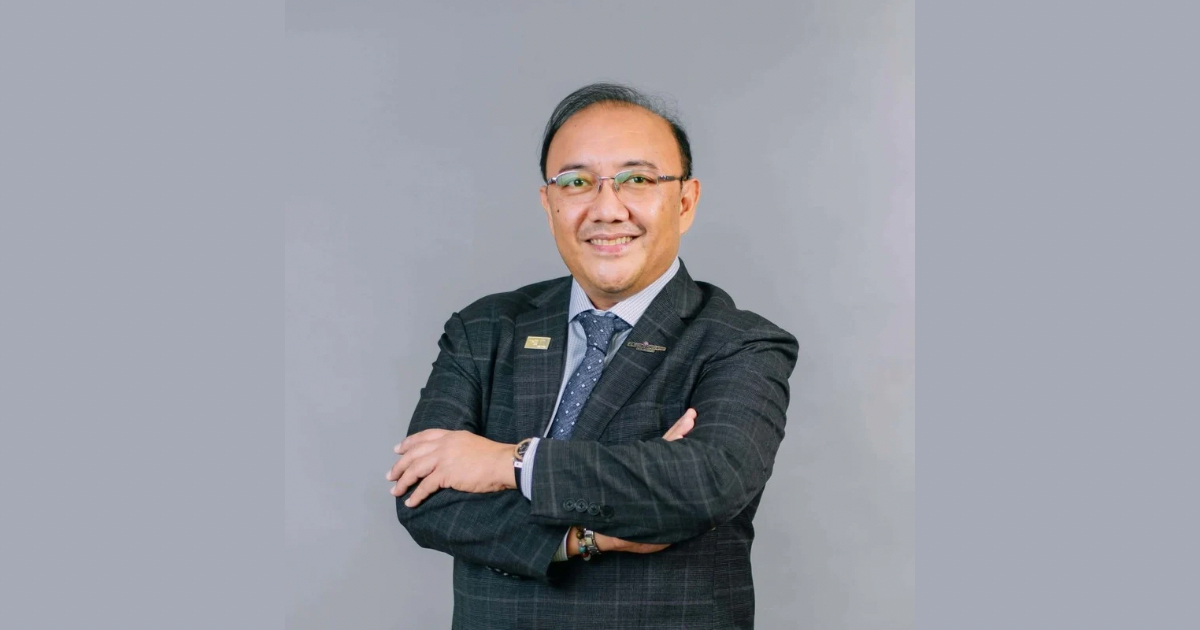
Thousands of housing units in Cebu remain unavailable to buyers due to delays in securing Licenses to Sell (LTS), prompting concerns from the real estate sector over shrinking housing supply and rising costs for overseas Filipino workers (OFWs).
Anthony Gerard Leuterio, president of the A Better Real Estate Philippines (ABREP) Movement, said the backlog in LTS approvals has slowed the rollout of new residential projects, limiting options for buyers and affecting the livelihood of real estate practitioners who depend on active project inventories.
According to Leuterio, more than 10,000 housing units in Cebu are currently awaiting LTS approval, preventing developers from offering them to the market.
“The issue is already alarming because there are fewer projects available for sale,” Leuterio said.
He said the shortage is particularly evident in the P3 million to P6 million housing segment, which remains a preferred investment range for many OFWs.
With fewer pre-selling developments available, buyers are increasingly left with near ready-for-occupancy units that typically command higher prices.
“Many OFWs want to secure a property early while prices are still lower. What is happening now is that most available units are already near ready-for-occupancy (RFO), which are more expensive,” he said.
Leuterio said the slowdown comes at a time when the housing sector is already facing challenges from higher development costs, inflation, increased borrowing rates, and stricter regulatory requirements.
He added that the effects go beyond homebuyers, as licensed brokers, accredited salespersons, and independent agents also rely on a steady supply of approved projects to sustain their income.
ABREP has called on government agencies to adopt a more predictable and consultative regulatory approach to help accelerate housing development and address supply constraints.
The group also said faster LTS approvals could support the government’s Pambansang Pabahay para sa Pilipino (4PH) program, which requires developers to allocate portions of their projects for socialized housing.
“The housing backlog remains significant. We need policies that protect buyers while also encouraging developers to build more homes and giving Filipinos more opportunities to own property,” Leuterio said.
Meanwhile, the Department of Human Settlements and Urban Development (DHSUD) earlier reported that delays in processing housing-related applications were largely occurring at regional offices.
Housing Secretary Jose Ramon Aliling said an internal audit showed that most pending applications for licenses, certificates, and other regulatory transactions had accumulated at the regional level.
To address the issue, DHSUD deployed senior officials to oversee its regional offices, clear backlogs, and improve processing efficiency under the department’s Zero Backlog Program.
The agency said its digitalization initiatives are expected to help streamline transactions and reduce delays in the approval of housing-related applications.















Comments