



The Department of Education in Central Visayas (DepEd 7) has declared full readiness for the nationwide rollout of the revised basic education curriculum as public schools across the region prepare to open School Year 2026–2027 on June 8.
Education officials said all preparations for Kindergarten to Grade 10 have been completed following the conclusion of the third phase of teacher training on May 23, marking a key milestone in the transition to the updated curriculum framework.
The rollout will be implemented regionwide for the first time this school year, while the strengthened Senior High School program will initially cover Grade 11.
The revised Grade 12 curriculum remains under pilot testing.
DepEd 7 Curriculum and Learning Management Division Officer-in-Charge Chief Education Supervisor Maurita F. Ponce said schools are prepared for the shift.
“We are very much prepared. Our revised curriculum from Kindergarten to Grade 10, we are all set for full implementation this school year, and then the first implementation for the strengthened Senior High School in Grade 11,” Ponce said.
Training for Grade 11 teachers is still ongoing ahead of the opening of classes, as part of the phased implementation strategy designed to ensure alignment with new learning standards.
DepEd 7 also confirmed that it will shift to a three-term academic calendar starting this school year, replacing the traditional four-quarter system.
The new structure will cover 201 instructional days, divided into 69 days for the first term, 65 for the second, and 67 for the third.
Officials said the adjustment is intended to maximize teaching time and improve lesson delivery across all grade levels.
“The purpose of the three term calendar is that it is based on an instructional block,” Ponce said.
At the end of each term, schools will observe a 10-day break for grading, record completion, and in-service training of teachers, during which classes will be suspended.
DepEd 7 also announced that school celebrations such as Nutrition Month and similar observances will now be integrated into classroom instruction rather than held as separate activities, in a move aimed at reducing class interruptions.
Off-campus competitions and other activities that typically disrupt lessons will likewise be scheduled during term breaks.
Officials said consultations with schools and stakeholders have already been conducted, with initial feedback showing general support for the transition.
Alongside curriculum reforms, DepEd 7 is also addressing infrastructure gaps in areas affected by the 2025 earthquake and Typhoon Tino, where Learning Continuity Spaces have been established while damaged school facilities undergo repair.
“There are a series of meetings, and we have many constructions ongoing to address those needs,” Ponce said.
To support school opening, Brigada Eskwela will run from June 1 to 5, mobilizing parents, alumni, volunteers, and civic groups for cleanup and repair activities in public schools.
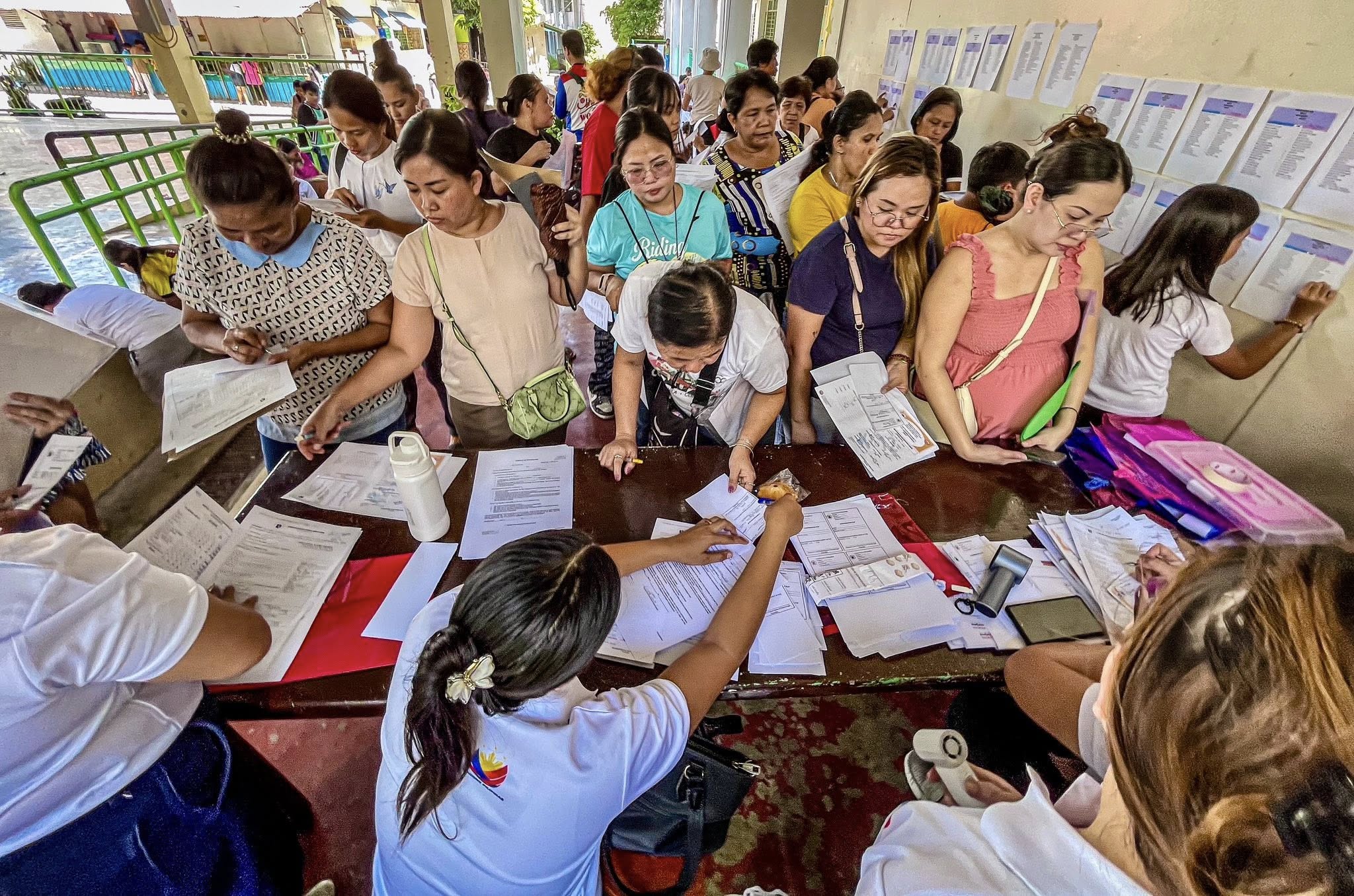
Oplan Balik Eskwela assistance desks will also be activated in schools and education offices to assist parents and students during enrollment.
Meanwhile, the Cebu Provincial Government has launched a classroom recovery initiative involving the construction of 252 temporary learning shelters in disaster-affected schools across the province.
The program aims to address urgent classroom shortages in both mainland and island communities, with priority given to heavily affected areas.
The project, funded with P295.9 million, is targeted for completion within 30 to 45 days, with turnover expected before the end of July.
Provincial School Board focal person Christopher Baricuatro said the original plan for 269 units was adjusted due to rising transport and construction costs, particularly in island municipalities.
The provincial government is also pursuing a longer-term plan to build 51 two-story smart school buildings across Cebu’s municipalities as part of its post-disaster education recovery strategy.















Comments