



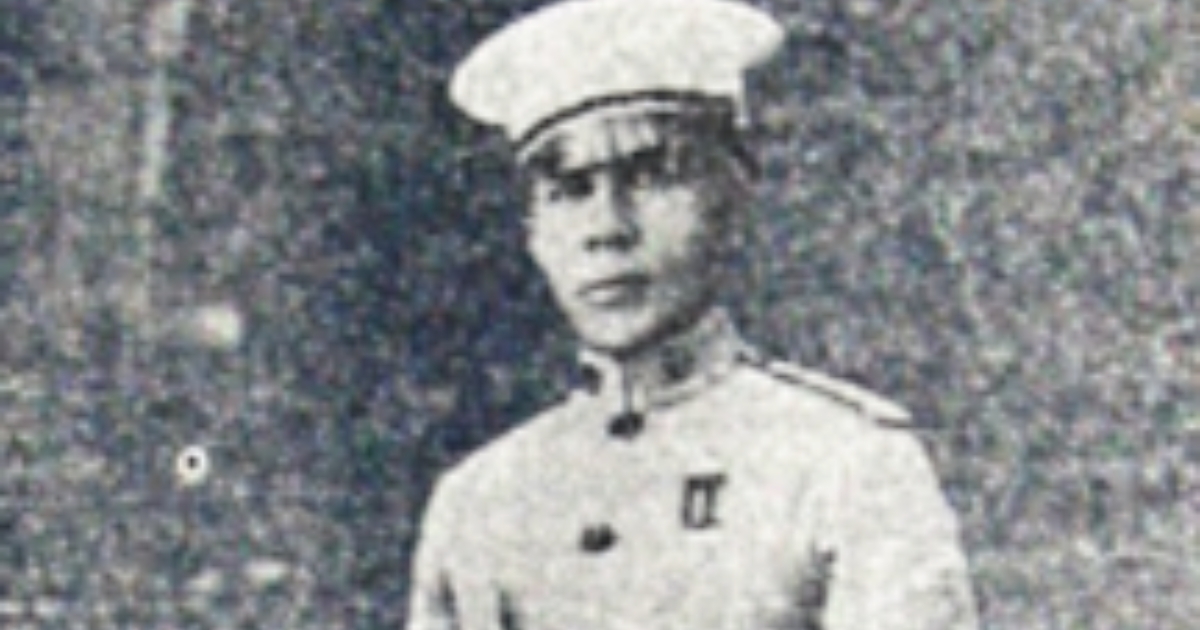
Surnames often carry more than identity. They carry migration routes, linguistic shifts, and the quiet arrival of families who would later shape local life in unexpected ways. One such name is Miñoza (originally Miñosa), a surname whose roots stretch far beyond Cebu and into the linguistic crossroads of Spanish, Galician, and Latin influence.
Etymologically, “Miñoza” is believed to come from the Spanish word miñosa, with two possible origins. One traces it to the Portuguese minhoca, itself linked to the Galician moñoca, meaning “earthworm.” Another theory connects it to the Latin minium, a term associated with red dye. Whether grounded in soil or pigment, the name carries a sense of something elemental — earth, labor, and transformation.
But in Cebu, the Miñoza story becomes less about words and more about movement.
Arrival in Argao and a Family Rooted in Transition
The surname first appears in Argao around 1859 with the arrival of Maximiano Miñosa. A migrant who would anchor himself in local life, Maximiano married Eusebia Nazareno, an Argawanon. Their union symbolized a blending of outside influence and local heritage, a common pattern in many Cebuano family histories during the Spanish colonial period.
After some time in Argao, Maximiano and Eusebia eventually relocated to Cebu City, where they raised their five children. Despite the move, their roots in Argao remained part of their family identity and narrative.
One branch of this lineage also connects to education and early civic life. Maximiano’s first cousin, Maestro Cornelio Miñosa, arrived in Argao in 1873 as a schoolteacher for boys — an important position during a period when formal education was becoming a tool of both instruction and influence in colonial towns.
Cornelio hailed from a prominent middle-class family based in Talamban, further showing how interconnected Cebu’s towns and emerging urban centers already were in the 19th century.
From Classroom to Battlefield
While some members of the Miñosa family helped shape education, others would be drawn into a far more turbulent chapter of history.
A son of Maximiano, Alejo Miñosa, would later emerge as an active general in Cebu during the revolutionary movement against Spain. Alongside him, Maestro Cornelio and two of his sons were also recognized among the leaders active in the southern region of Cebu during the same struggle.
What began as a family name linked to migration and teaching gradually became associated with resistance and leadership. The Miñosas were not just witnesses to history, they were participants in its turning points.
A Name That Evolved With Time
Over the years, the original spelling “Miñosa” gradually shifted into “Miñoza,” reflecting a common evolution in Filipino surnames where orthography adapts to pronunciation, preference, or generational identity. Today, both forms may still be encountered, though “z” has become more widely used among present-day descendants.
What remains unchanged is the thread connecting them: a surname that began in linguistic ambiguity, took root in Argao, expanded through education and migration, and ultimately found itself woven into the revolutionary history of Cebu.
In the end, the story of the Miñoza family is about how families move through time, reshape themselves across places, and leave traces that outlast spelling itself.
Photo & article source: Filipino Genealogy Project (https://www.filipinogenealogy.com/?m=1)















Comments