



As a magnitude 7.8 earthquake struck parts of Mindanao on the morning of June 8, 2026, the first day of classes, thousands of students, teachers, and parents found themselves caught in one of the country’s deadliest natural disasters in recent years.
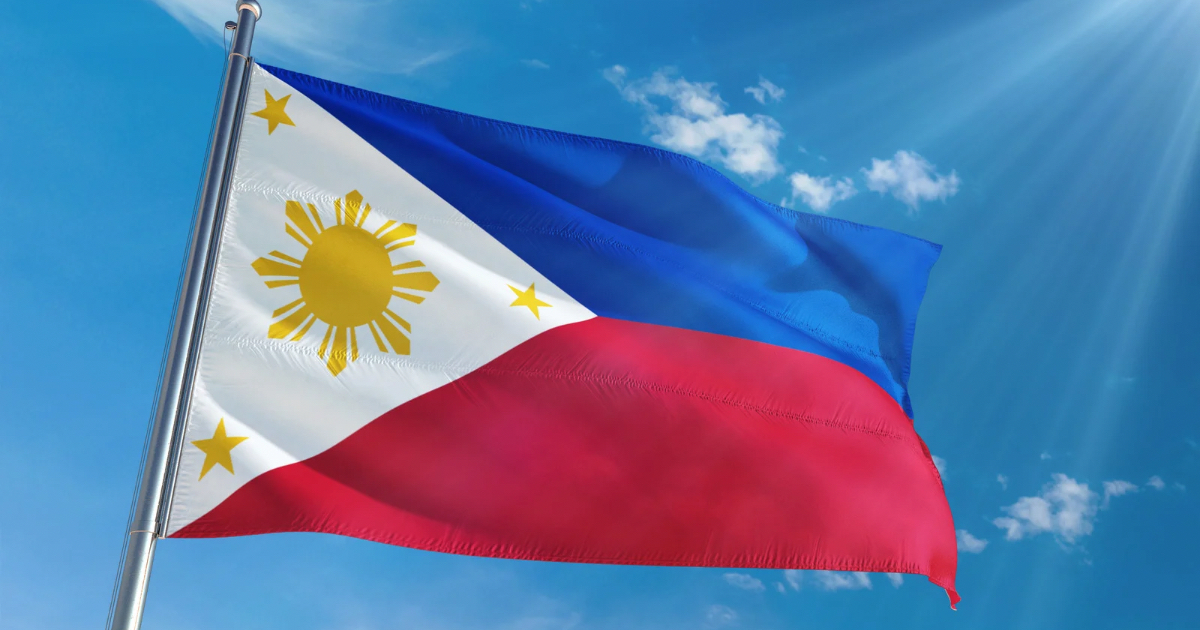
With the death toll rising to 35 and rescue operations continuing, many are reflecting on a circumstance that may have prevented an even greater tragedy: the Philippine flag ceremony.
At the time the earthquake struck, students and teachers across many schools were gathered in open grounds for the traditional Monday flag-raising ceremony. Instead of being inside classrooms and school buildings, thousands were already outdoors when the powerful tremor shook the region.
While schools and communities suffered damage, the timing of the earthquake may have spared countless lives. Had classes already been underway, many students and teachers could have been inside structures vulnerable to collapse, potentially leading to far higher casualties and injuries.
In the aftermath of the disaster, the Philippine flag ceremony has come to symbolize more than patriotism and national pride. On this tragic day, it also served as an unexpected safeguard, placing thousands in open spaces when seconds mattered most.
As Mindanao recovers from the devastation, the disaster stands as a powerful reminder of the importance of preparedness, resilience, and the role that even routine school activities can play in protecting lives during emergencies.















Comments