



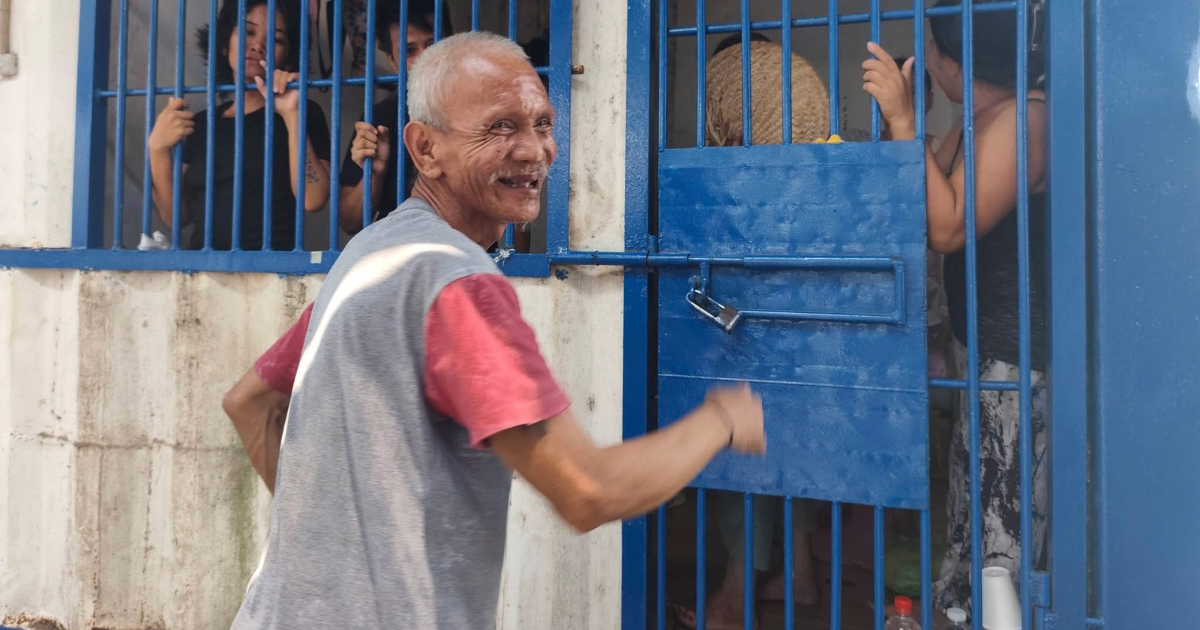
The controversial arrest of a senior citizen for alleged mendicancy has exposed gaps in Cebu City’s anti-mendicancy operations, with council investigators flagging weaknesses in documentation, turnover procedures, and inter-agency coordination.
The findings stemmed from a joint committee investigation into the May 2026 apprehension of Irene Vidal by the Cebu City Anti-Mendicancy Office (CCAMO), a case that sparked public debate over the legal basis of the arrest and allegations of maltreatment.
In its official report, the joint committees concluded that while both CCAMO and the Department of Social Welfare and Services (DSWS) acted within their respective mandates, several operational issues require policy review and corrective measures.
The committee identified concerns involving documentation, turnover procedures, inter-agency coordination, and enforcement protocols.
During the investigation, CCAMO Executive Director Jon Ryan Lumayag presented records and video footage showing that Vidal had allegedly engaged in mendicancy activities on multiple occasions before his apprehension on May 7, 2026.
According to CCAMO, Vidal had been rescued several times prior to the filing of charges under Presidential Decree No. 1563, or the Anti-Mendicancy Law.
The committee confirmed that CCAMO maintained records of multiple rescue operations involving Vidal before criminal charges were filed.
Lumayag told councilors that while the city’s anti-mendicancy ordinance encourages the turnover of rescued individuals to social welfare authorities, the national Anti-Mendicancy Law does not specifically require senior citizens to be turned over to DSWS before charges are filed.
He added that enforcement personnel may exercise discretion in determining whether charges should be pursued based on the circumstances of each case.
One of the investigation’s key findings involved conflicting accounts from CCAMO and DSWS regarding the turnover of rescued individuals.
CCAMO maintained that rescued persons, including Vidal, had been turned over to social welfare authorities following rescue operations.
DSWS officials, however, informed the committee that there were instances when no formal turnover occurred and that social workers were not always present during operations due to holidays, scheduling conflicts, and manpower limitations.
The committee found discrepancies between the records and accounts of the two offices regarding turnover procedures and documentation.
Both agencies committed to submit documentary evidence supporting their respective claims.
The report noted that coordination and documentation procedures between CCAMO and DSWS require strengthening to prevent similar issues in future operations.
Councilors also examined allegations that Vidal was mistreated during his apprehension.
CCAMO denied the allegations and informed the committee that Vidal underwent a medical examination after he was brought to Police Station 5.
However, the committee stopped short of making a definitive finding, noting that the claims remain subject to verification pending the submission of medical records and statements from personnel involved.
Beyond Vidal’s case, the investigation prompted broader discussions on the city’s anti-mendicancy policies and social intervention programs.
DSWS outlined available interventions for rescued individuals, including counseling, food assistance, home visitation, temporary shelter, and referrals to the Department of Social Welfare and Development’s Pag-Abot Program.
Despite these services, the committee raised concerns over the effectiveness and continuity of interventions for repeat offenders and individuals repeatedly rescued from the streets.
The report also noted that anti-mendicancy enforcement could benefit from clearer operational guidelines and stronger social intervention mechanisms.
Among the measures discussed were the use of body-worn cameras during operations, improved coordination between agencies, enhanced documentation procedures, and possible amendments to the city’s Anti-Mendicancy Ordinance.
Based on its findings, the committee recommended the submission of all pending documents related to the case, stronger coordination between CCAMO and DSWS, and a review of existing policies governing anti-mendicancy operations.
It also endorsed exploring additional safeguards, including body-worn cameras, and reassessing the city’s ordinance to strike a balance between law enforcement and social protection.
Photo courtesy of Chito O. Aragon















Comments