
Cebu’s elevated inflation rate continues to be driven by a persistent shortfall in local food production and rising transport costs, as provincial officials acknowledge that supply levels remain insufficient to meet growing demand across the province.
Provincial Administrator Atty. Ace Durano said latest data from the Philippine Statistics Authority (PSA) highlight structural gaps in Cebu’s food supply chain and logistics system that are pushing prices higher.
Cebu Province recorded a 13.6-percent inflation rate in May 2026, up from 12.9 percent in April, and higher than the rates posted in Cebu City, Lapu-Lapu City, and Mandaue City.
Central Visayas also remained the region with the highest inflation rate nationwide.
Durano said the provincial government is coordinating with the PSA central office to further analyze the key drivers of sustained price increases, particularly in food and transportation.
He identified food and transport as the primary contributors to inflation in Cebu, noting the province’s continued dependence on supplies coming from outside sources.
“The two biggest contributors sa high inflation sa Cebu is food and transportation,” Durano said.
He added that Cebu’s agricultural production remains insufficient to meet the needs of its population, particularly for vegetables, meat, poultry, and other basic commodities.
“We don’t produce enough for our needs here whether vegetables, meats, chicken, pork, goods,” he said.
Provincial data showed that while local farms contribute to supply, production levels still fall short of the demand generated by Cebu’s growing urban centers.
As a result, a significant share of food requirements continues to be sourced from other provinces, increasing reliance on inter-island transport and distribution networks.
Durano also pointed to rising fuel prices and global market disruptions as factors that have pushed transportation and logistics costs higher, further driving up commodity prices.
PSA data indicated that food and non-alcoholic beverages accounted for the largest share of inflation pressures, while transport ranked as the second biggest contributor.
The provincial government has cited ongoing interventions aimed at easing mobility and logistics costs, including the Tabang Pangbiyahe program, the planned deployment of electric buses, and efforts to harmonize truck ban policies across Metro Cebu.
Officials said these measures are intended to improve the movement of goods and reduce bottlenecks in supply distribution, particularly in urbanized areas.
Durano described the inflation trend as a continuing imbalance between strong consumer demand and limited local production capacity, compounded by transport-related costs.
The provincial government is now prioritizing long-term strategies to strengthen agricultural output and reduce dependence on external suppliers.
He said improving local food production is essential to building resilience against future price shocks and supply disruptions.
“We need to support our farmers to improve on food production,” he said.
Cebu remains one of the country’s major consumption hubs, with high urban demand continuing to strain supply chains and expose persistent production gaps.
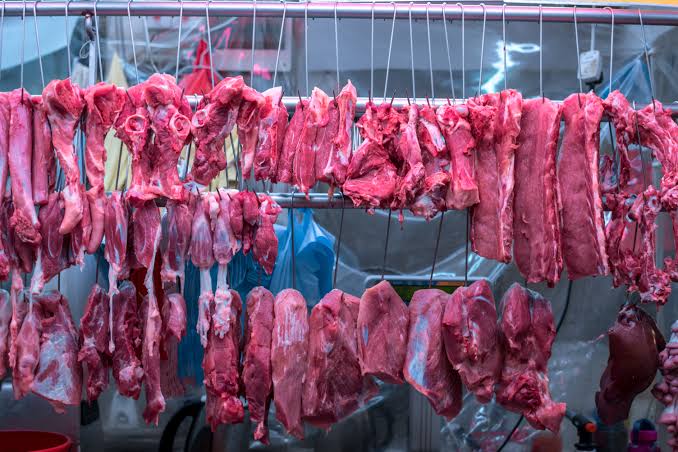
Photo courtesy of The Pig Site

Comments