



The Cebu City Government is considering the possibility of placing the city under a state of calamity as worsening water supply concerns and the anticipated effects of El Niño continue to strain upland communities and key water sources.
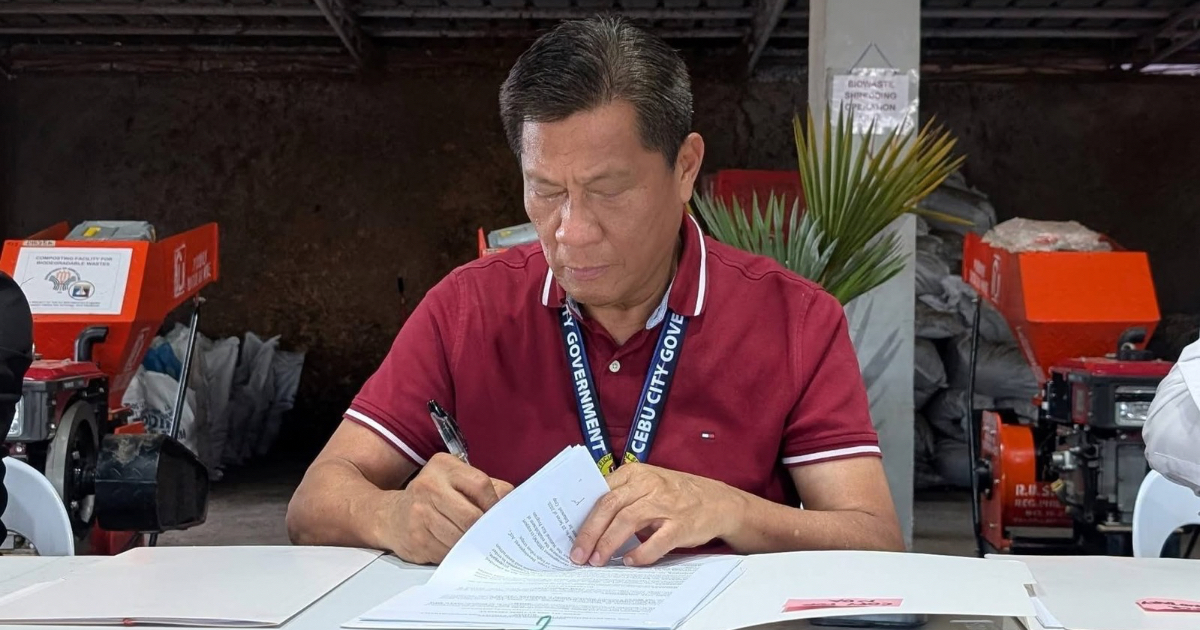
Mayor Nestor Archival said on Wednesday that City Hall has begun studying the option, but stressed that any declaration will depend on technical assessments and recommendations from the Cebu City Disaster Risk Reduction and Management Office (CCDRRMO) and other concerned agencies.
The proposal comes amid growing pressure on water availability in several parts of the city, particularly in mountain barangays already experiencing reduced access.
Archival said a state of calamity declaration would allow the city to tap emergency funds and roll out additional interventions if conditions worsen.
However, he emphasized that due process and validated data remain essential before any decision is made.
The discussion follows reports from the Metropolitan Cebu Water District (MCWD), which recorded a daily supply shortfall of more than 16,000 cubic meters amid rising demand and declining output from key sources.
MCWD said it currently produces an average of 263,941 cubic meters per day, below the estimated demand of 280,000 cubic meters.
One of the most affected systems is the Jaclupan Water Facility, which supplies southern Cebu City and parts of Talisay City.
MCWD has reduced its output from 30,000 cubic meters per day to 20,000 cubic meters to preserve groundwater reserves.
Operations officials warned that continued extraction at previous levels could deplete the source within three months, potentially affecting around 30,000 households or about 150,000 residents.
Even before the calamity discussion, the Cebu City Council had placed the city under a State of Preparedness through a resolution citing prolonged dry conditions, extreme heat, and declining water availability.
The measure, authored by Councilor Dave Tumulak, noted mounting pressure on public health, food security, and environmental stability, particularly in upland farming communities.
It also cited declining crop yields, worsening soil conditions, and heat stress among livestock as growing concerns for the agricultural sector.
“The livelihoods of farmers, livestock raisers, and agricultural workers are now at risk, necessitating timely and coordinated government intervention,” the resolution stated.
Under Republic Act No. 10121 or the Philippine Disaster Risk Reduction and Management Act of 2010, the State of Preparedness allows local governments to mobilize resources, intensify monitoring, and implement preventive measures before conditions deteriorate further.
Tumulak earlier said the preparedness status was more appropriate at this stage, noting that El Niño conditions are expected to intensify in the coming months.
Archival had also raised the possibility of declaring a calamity in upland barangays following reports of crop losses, rising production costs, and heat-related impacts on farming communities.
The mayor has visited affected areas to assess conditions and identify possible interventions, including financial assistance for farmers, free transport of goods to markets, revival of barangay trading posts, and installation of communal water systems.
City Hall continues to coordinate with MCWD on water distribution efforts, including daily tanker deliveries and controlled use of designated hydrants in upland barangays.
Photo courtesy of Nestor Archival / Facebook















Comments