



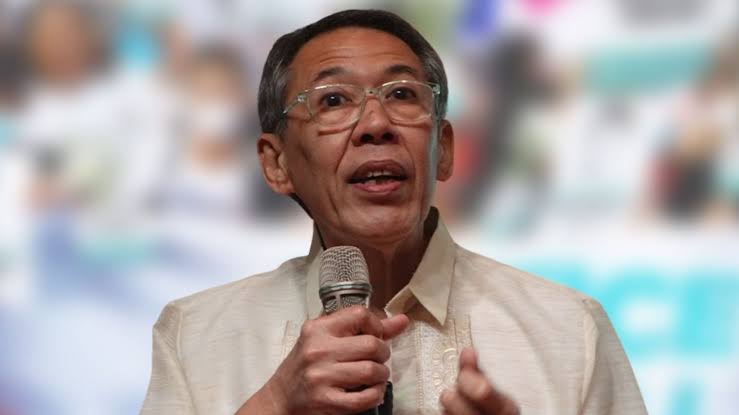
Akbayan Party-list Rep. Chel Diokno has filed a measure seeking to expand paternity leave benefits to as much as 105 days, aligning fathers’ leave entitlements with the country’s existing 105-day maternity leave law.
House Bill No. 9891, or the proposed Paternity and Parental Leave Act (PAPA Leave Act), was filed on Wednesday and aims to strengthen shared parenting responsibilities, improve child development outcomes, and promote gender equality in the workplace and at home.
Under the proposal, paid paternity leave would be increased from the current seven days to 90 continuous days for live childbirth. In cases of miscarriage or emergency termination of pregnancy, fathers may avail of 60 continuous days of leave.
The bill also introduces an additional 15 days of paid parental leave, which may be taken within one year of childbirth either continuously or in staggered periods, bringing the total benefit to 105 days.
“By investing in shared parenting, this measure advances gender equality, improves child and family wellbeing, and strengthens labor force participation. It affirms that childcare is not solely the responsibility of women, but a shared parental duty that must be actively supported by the State,” Diokno said in a statement.
The proposed law also expands coverage beyond married fathers to include non-marital fathers and alternative caregivers who take on parenting responsibilities for newborns and young children.
It further extends benefits to workers in the informal sector and voluntary members of the Social Security System (SSS), subject to contribution requirements.
Under the bill, private employers would continue to advance paternity leave benefits but would be reimbursed by the SSS.
The measure also strengthens job protection, prohibiting dismissal, demotion, or discrimination against employees who avail of parental leave.
Diokno likewise warned that failure to provide care and support while on leave may be considered under provisions of Republic Act 9262 or the Anti-Violence Against Women and Their Children Act of 2004.
The bill also sets penalties for employers or individuals who violate its provisions, including fines, imprisonment, and possible revocation of business permits, alongside mechanisms to prevent misuse of leave benefits.
Photo courtesy of Politico.ph















Comments