



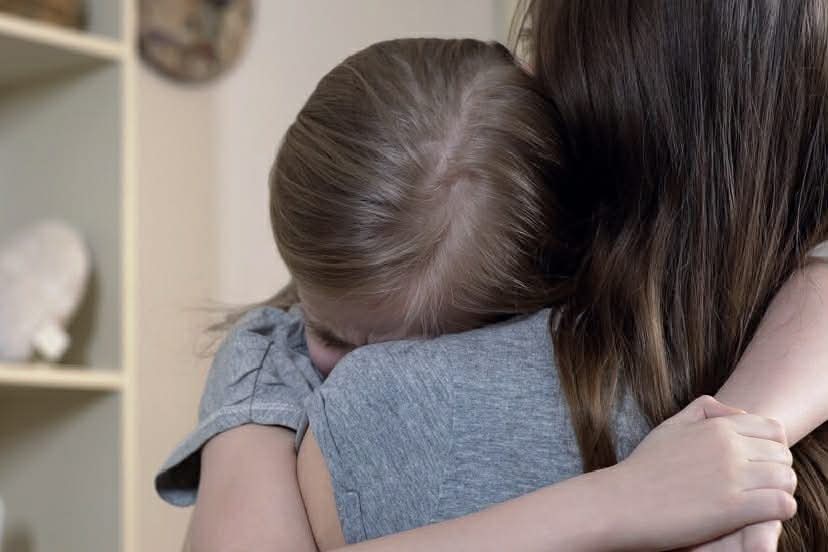
Gun violence leaves mental wounds for children who witness it. Despite not having a scratch on their bodies, the damage can last a lifetime.
When we talk about the victims of gun violence, it does not only include the injured or those who passed. In any classroom or street where a gun goes off, there are children who heard, saw, and lived through it. The young who witnessed and were present during the incident are considered victims of the violence that happened around them.
On the morning of June 23, 2026, two juvenile students opened fire inside San Jose National High School in Tacloban City, Leyte. Three students were killed, while thirteen (13) others were wounded. In the chaos that followed, hundreds of students ran, stumbling down hallways, leaving behind their bags and shoes, with some weeping as they fled the campus.
Research increasingly shows that children who witness gun violence, despite not sustaining any physical injury themselves, carry psychological wounds that are just as real, and sometimes just as lasting, as those suffered by direct victims.
National conversations continue to report on the casualties, the suspects obtaining their firearms, the school’s security gaps, and on calls from Malacañang to tighten campus safety measures. For those who ran and survived the incident unscathed, many also wonder how the incident affected these children mentally.
The Invisible Injury
Child trauma specialists consider the likeliness of Post Traumatic Stress Disorder (PTSD) after the students’ direct exposure to a violent and traumatic event such as gun violence. Studies consistently show that children exposed to gun violence, even those who were not physically hurt, are at significantly higher risk of developing anxiety, depression, and behavioral problems as well.
Children may have higher instances of withdrawing from activities they once loved, become hypervigilant, scanning rooms for exits, startling at sounds, and being uncomfortable in the classroom and school the incident happened in. Alternatively, when unregulated, it can also cause unhealthy exposure to children and instead be desensitized to violence as a protective coping response.
Based on findings from the American Academy of Pediatrics, the brains of children and adolescents are highly sensitive to stress and trauma during this stage of their development. Regions of the brain responsible for emotional regulation, impulse control, and threat response are still undeveloped and thus can make children dysregulated in ways that outlasts the event itself.
The tragedy is that in children, their emotional and mental states are still developing. An abrupt exposure to violence causes concern for long-term mental effects after direct personal experiences. For the children, surviving isn’t the same as being unharmed. Being present for violence is itself a form of harm, especially for the young and vulnerable.
Response and Recovery
As of writing, classes at San Jose National High School remain suspended indefinitely. In Tacloban, the City Social Welfare Office announced that counselors would be deployed for debriefing sessions for students, teachers, and parents. The Department of Social Welfare and Development (DSWD) of Eastern Visayas have administered psychological first aid to students, parents, and other affected individuals to help cope with trauma from the incident.
The students who watched, heard, ran, hid, and got out are all victims of violence that should not have happened at all. With protecting children from the aftermath effects of gun violence, it helps to be aware that the radius of the damage it does to the youth is not just of physical wounds, but also their mental and psychological well-being at stake.
If you or someone you know needs support in the Philippines, the National Center for Mental Health crisis hotline is available at 1553 (Luzon-wide landline toll-free) or 0917-899-USAP (8727) . The DOH also operates mental health services through regional hospitals and community health centers nationwide.















Comments