



Cebu’s multi-billion-peso pork industry is ramping up expansion as industry leaders push for higher local production, saying the country must reduce its reliance on imported pork to strengthen food security and stabilize prices.
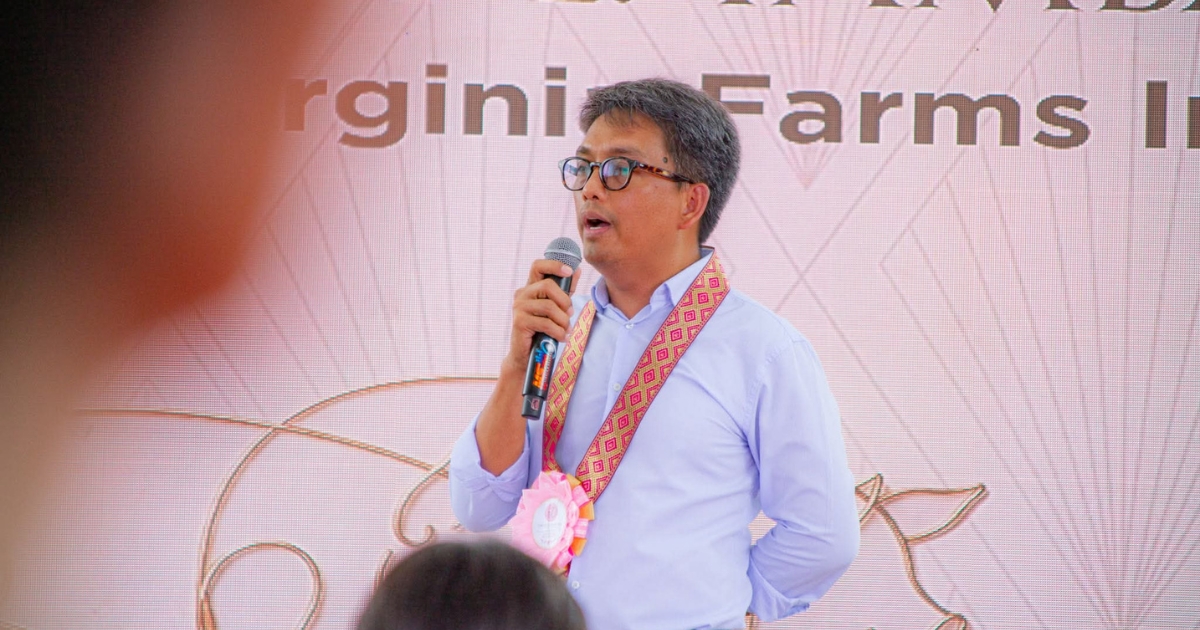
Speaking during the inauguration of a new breeder farm in Barangay Saksak, Aloguinsan, Pork Producers Federation of the Philippines Chairman Rolando Tambago said the Philippines remains vulnerable to supply disruptions as long as it depends heavily on imported pork.
“When there is war, no boats, we cannot eat pork anymore,” Tambago said, stressing that food security “is something that you cannot outsource.”
He said increasing domestic production would help ensure a more stable supply while gradually lowering pork prices by reducing freight and logistics costs associated with imports.
Tambago said the industry hopes locally produced pork will become more affordable than imported meat within one to two years as farms improve efficiency, adopt better genetics, and modernize production systems.
He noted that Cebu has one of the country’s highest pork consumption rates, with residents consuming an estimated 20 kilograms per person annually, compared to the national average of around 15 kilograms.
“Especially Cebu, that Cebu eats more pork than any other province,” he said, citing the province’s strong preference for dishes such as lechon, humba, and grilled pork.
Tambago said Cebu’s pork industry, previously valued at around P11 billion, has grown to at least P25 billion due to continued investments and expansion.
The newly opened Virginia Farms breeder facility represents an investment of about P2.8 billion and is expected to strengthen the province’s hog industry.
The farm will eventually house 5,000 breeder sows, with an initial rollout of 2,500, and will import breeding stock from South Dakota in the United States beginning in July.
Tambago said the facility was designed with strict biosecurity measures, including a three-layer perimeter fence and controlled surroundings to minimize disease risks and maintain stable production.
Meanwhile, Department of Agriculture Central Visayas Director Angel Enriquez said continued private investments in commercial livestock farms strengthen the region’s food security and reinforce Central Visayas’ position as one of the country’s leading livestock-producing areas.
Provincial Administrator Ace Durano also emphasized the need to boost local food production, saying Cebu still depends heavily on supplies from outside the province.
“We don’t produce enough for our needs here whether vegetables, meats, chicken, pork, goods,” Durano said.
“We need to support our farmers to improve on food production,” he added.
Provincial officials earlier linked Cebu’s 13.6-percent inflation in May largely to food supply shortages and rising transport costs, underscoring the need to expand local agricultural production.
Photo by Kaiser Jan Fuentes















Comments