



Cebu’s property market continues to move on multiple engines at once—outsourcing expansion, remittance-driven demand, and large-scale infrastructure plans—even as the national economy slows.
The province remains the dominant property hub in Visayas and Mindanao, with sustained strength across office, residential, and hospitality sectors, according to Colliers Philippines’ latest regional outlook.
The report showed Philippine GDP growth easing to 2.8 percent in the first quarter of 2026 from 4.4 percent in 2025.
Still, regional economies such as Central Visayas, the Davao Region, and the Negros Island Region continued to post stronger-than-average performance.
Colliers Philippines said the resilience of Cebu’s property market is anchored on steady overseas Filipino worker (OFW) remittances, continued expansion of business process outsourcing (BPO) operations, and ongoing infrastructure development that supports both tourism and investment flows.
OFW remittances reached US$36 billion in 2025 and continue to grow by around 3 to 4 percent annually.
The Bangko Sentral ng Pilipinas also reported that 17.1 percent of remittance-receiving households now allocate funds for real estate purchases, the highest level on record.
Infrastructure is expected to further shape long-term property values, with the proposed Cebu-Bohol Bridge seen as a key growth driver.
Developers have begun identifying expansion areas in Bohol, while airport upgrades and transport projects across Central Visayas are expected to strengthen connectivity and tourism activity.
In the office sector, Cebu remains the largest market outside Metro Manila, with vacancy levels at around 17 percent following post-pandemic adjustments.
Despite this, key districts such as Cebu IT Park and Cebu Business Park continue to record stable demand from global outsourcing firms.
The city continues to generate about 100,000 square meters of annual office transactions, supported by the expansion of higher-value outsourcing and shared services operations.
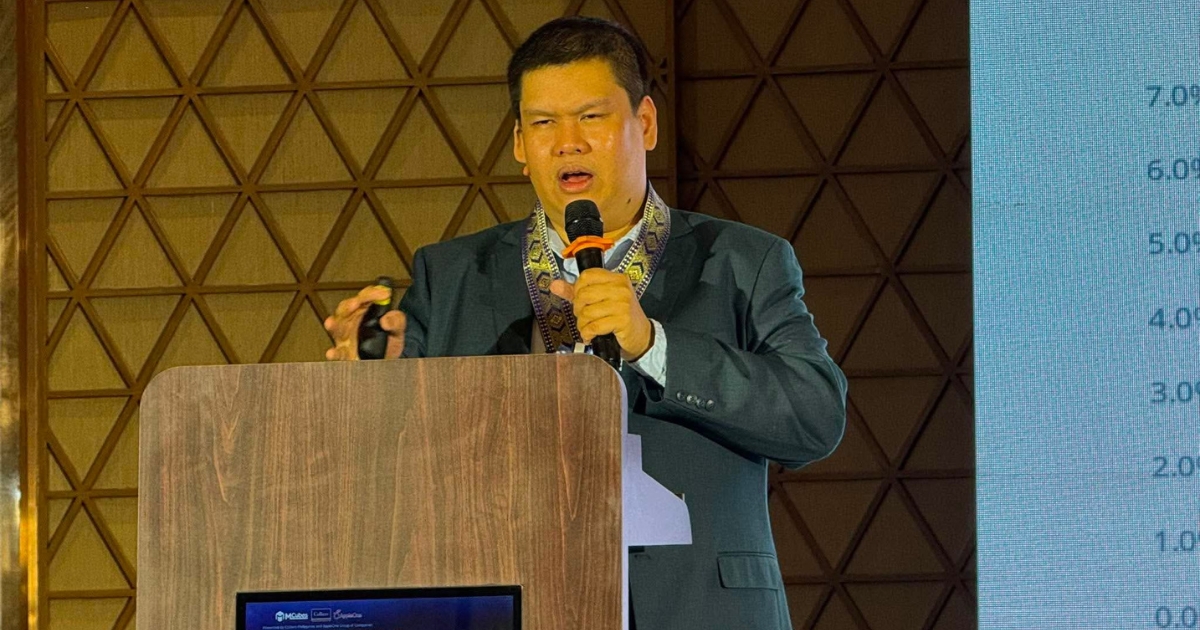
Bondoc said the nature of outsourcing work in Cebu has evolved beyond traditional call center services.
“These are not just companies that are offering back-office support,” Bondoc said. “These are captives… providing financial, software engineering and artificial intelligence support.”
Companies such as Asurion, Wells Fargo, and EY Global Services continue to expand operations in Cebu, reinforcing its position as a regional outsourcing hub.
In the residential segment, Colliers projects around 45,000 condominium units to be completed across Visayas and Mindanao from 2026 to 2029, with Cebu and Davao accounting for more than 60 percent of supply.
Cebu’s condominium market remains one of the strongest in the region, with projects about 86 percent sold and an inventory life of roughly three years, significantly shorter than Metro Manila’s 6.8 years.
Major developers including Cebu Landmasters, Rockwell Land, Shang Properties, DMCI Homes, Megaworld, Vista Land, Arthaland, and Amaya continue to drive new launches and sustained absorption.
Demand is also shifting toward integrated leisure and tourism-led developments, particularly in Cebu and Mactan, where luxury residential and resort projects continue to attract both local and foreign buyers.
Colliers reported that condominium prices in these segments are rising by 6 to 8 percent annually, outpacing inflation and supporting investor demand.
Horizontal housing developments also remain strong, with house-and-lot projects posting take-up rates above 90 percent and lot-only developments nearing similar levels.
Residential land values continue to rise by 2 to 6 percent annually depending on location.
In the hospitality sector, Colliers projects around 7,900 new hotel rooms across Visayas and Mindanao from 2026 to 2029, with international hotel brands accounting for about 62 percent of supply.
Upcoming developments include JW Marriott Panglao, Somerset Gorordo Cebu, Asai Hotel Oslob, Citadines Paragon Davao, Radisson Blu CDO, and Citadines CDO, reflecting continued expansion in tourism infrastructure.
Colliers said Cebu’s long-term outlook remains supported by diversified growth drivers across outsourcing, housing, tourism, and infrastructure development.
“Cebu remains one of the most competitive property markets outside Metro Manila. Its skilled workforce, growing infrastructure, healthy residential demand and expanding tourism industry provide a strong foundation for long-term real estate growth,” he added.
Photo by Kaiser Jan Fuentes















Comments