
Power supply conditions in the Visayas have temporarily eased, with grid alerts lifted after a major generating unit resumed operations, reducing the risk of interruptions that had affected households and businesses in recent weeks.
The National Grid Corporation of the Philippines (NGCP) confirmed that the Visayas grid has remained free of yellow alerts since Wednesday, July 1, following the return to service of Panay Energy Development Corp. (PEDC) Unit 3 in Iloilo.
The coal-fired plant restored around 150 megawatts of generating capacity to the system.
NGCP officials said the additional supply helped improve reserve levels and eased pressure on the grid after nearly two months of recurring alert notices that began on May 11 due to multiple plant outages and tight operating margins.
During the NGCP Power Forum 101 in Mandaue City on Thursday, Senior Network Operations Supervisor Amado Otarra III said the latest development reflects an improvement in grid conditions, but stressed that the system remains sensitive to unexpected disruptions.
He said earlier supply stress was driven by the simultaneous outage of several large generating units while electricity demand remained high during hotter months, placing the Visayas grid under sustained strain.
NGCP data showed that at least four major power units went on forced outage during the period, including PEDC Unit 3, Therma Visayas Inc. (TVI) Units 1 and 2 in Cebu, and Kepco SPC Unit 1, removing a combined 591 megawatts from available capacity.
The demand surge was further intensified by elevated temperatures that increased electricity consumption, particularly from cooling systems in urban areas.
Demand later eased as rainy conditions set in, helping stabilize grid operations alongside gradual restoration and maintenance work on affected facilities.
Despite the return of PEDC Unit 3, NGCP said the Visayas grid remains exposed to potential supply constraints.
TVI Units 1 and 2, each with a capacity of 169 megawatts, are still offline and scheduled to resume operations after maintenance in September, while Kepco SPC Unit 1 also remains unavailable.
NGCP spokesperson Atty. Cynthia Alabanza cautioned that the absence of yellow alerts should not be interpreted as full recovery.
“No assurance yet. For as long as there are unforeseen maintenance shutdowns, we don’t expect that there will be no further alerts. If something goes against the schedule, that may complicate things further,” Alabanza said.
Latest NGCP data showed that the Visayas grid is operating with a dependable capacity of about 3,173 megawatts during daytime and 2,729 megawatts during evening peak hours, including imported electricity from other island grids.
The region continues to rely on external supply support of up to 450 megawatts from Mindanao through the Mindanao-Visayas Interconnection Project and around 250 megawatts from Luzon to help meet peak demand.
Without these imports, available capacity within the Visayas would drop significantly, further tightening reserves during periods of high consumption.
Energy officials said PEDC Unit 3 now plays a key role in contingency planning, serving as a reference point for determining whether the grid enters a yellow alert when supply falls below critical thresholds.
NGCP also underscored the need for continued infrastructure expansion to support long-term stability, particularly as electricity demand continues to rise in Metro Cebu and surrounding areas.
Engr. Michael R. Baylosis of the NGCP Visayas System Planning Division said growing consumption in Mandaue City, Mactan, and Metro Cebu is putting increasing pressure on existing transmission facilities.
“The increase in the consumption of electricity in Mandaue, Mactan, and Metro Cebu is causing our existing 138-kV transmission lines and underground cables to approach overload. That’s why we are building a higher-capacity 230-kV transmission system,” he said.
He said priority projects include the Cebu–Lapu-Lapu 230-kV transmission line and Lapu-Lapu substation development, which are expected to support rising demand in Cebu, Mandaue City, and Mactan Island.
These projects involve overhead transmission lines, submarine cables, and new substations, with completion targeted by December 2027.
NGCP is also advancing the Cebu–Leyte Interconnection Lines 3 and 4 project, a multi-phase expansion aimed at improving power transfer capacity between Luzon and the Visayas, with implementation scheduled in stages up to 2035.
However, the utility acknowledged that several infrastructure projects continue to face delays due to right-of-way issues, permitting requirements, and regulatory approvals, requiring coordination with local government units and other stakeholders.
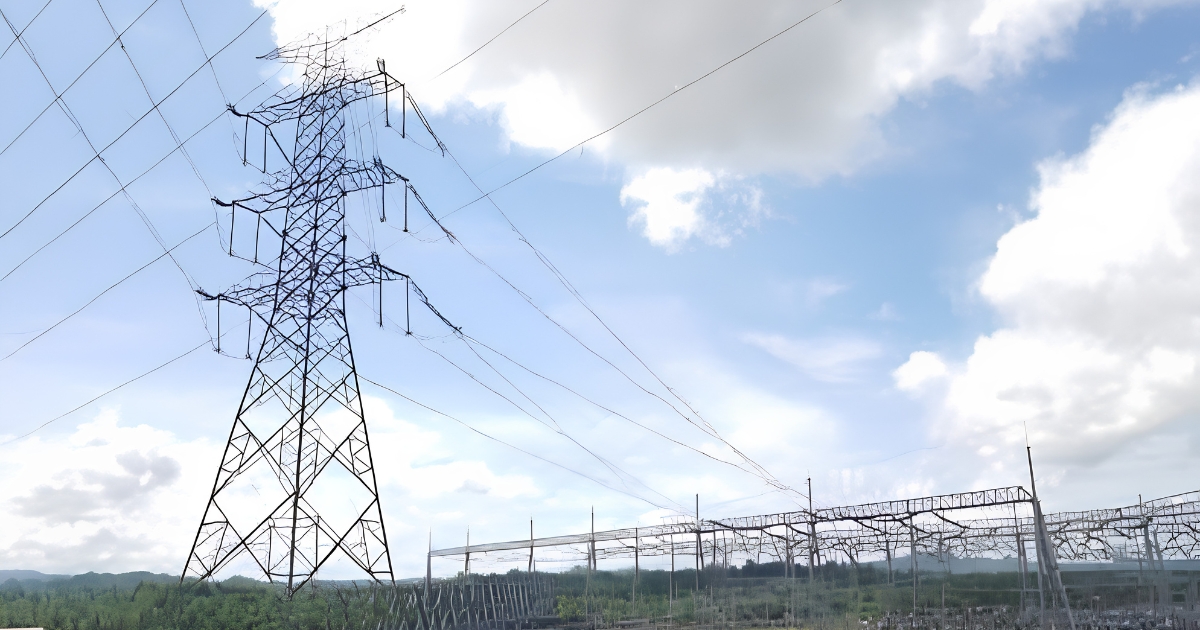
Photo courtesy of PNA

Comments