



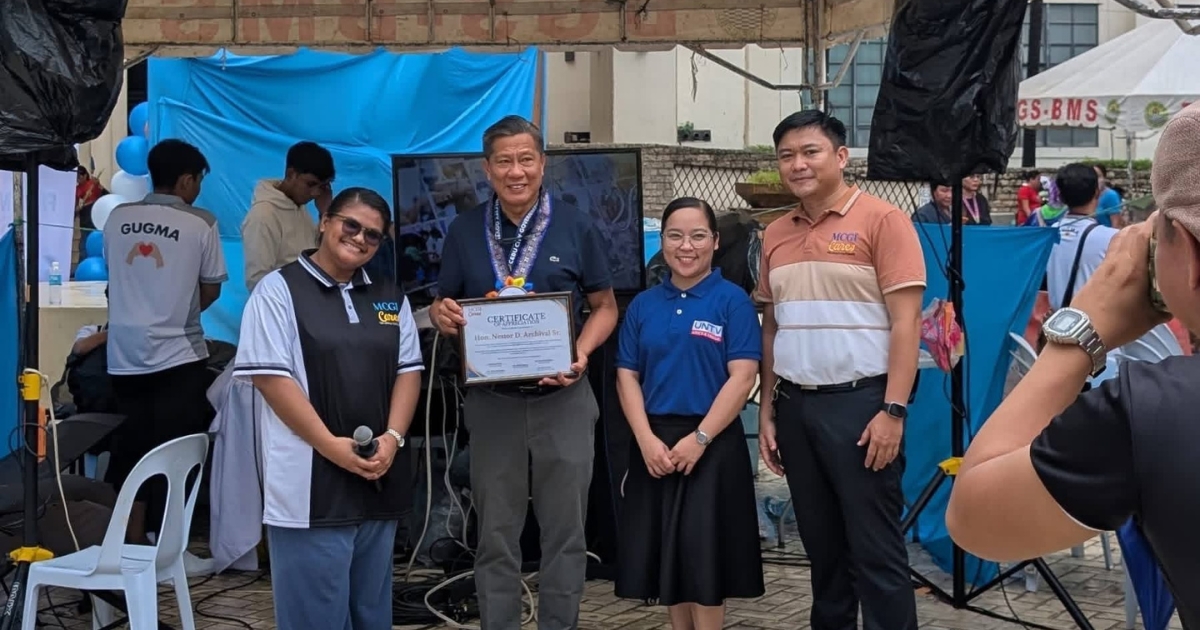
Digital transformation, traffic management, and public safety upgrades are among the priorities highlighted under the “Smart” pillar of Cebu City Mayor Nestor Archival’s development agenda presented during his State of the City Address (SOCA).
As part of the Cebu City 2035 roadmap toward a “Sustainable, Smart, and Inclusive” city, the administration outlined programs aimed at improving mobility, government services, emergency response, and public accessibility.
One of the proposed initiatives is the development of a street naming and numbering system that will align local addresses with digital navigation platforms such as Google Maps. The city said the system is expected to improve wayfinding and help emergency responders locate areas more efficiently.
The city government also cited the implementation of its no-contact apprehension policy through the CitiFine e-traffic citation system, developed by the Management Information and Computer Services (MICS) Office and the Cebu City Transportation Office (CCTO).
The system allows traffic enforcers to issue electronic citations, record violations through geotagging, accept online payments, and send SMS confirmations to motorists. The initiative was also recognized by the Department of Science and Technology 7 during a demonstration event under its Ignite entrepreneurship program.
Other traffic-related projects include the proposed Ayala Terminal-Quest Hotel sky bridge, pedestrianization plans for M.C. Briones Street and F. Gonzales Street, completion of the Pulangbato Bridge, and route adjustments involving the Metro Cebu Expressway, Banawa-Talamban corridor, and Cebu-Cordova Link Expressway (CCLEX).
For public safety, Archival highlighted the city’s efforts to clear “spaghetti wires” and transition toward underground utility distribution, with the initiative targeted for completion by the fourth quarter of 2026.
The administration also cited continued coordination with the Cebu City Police Office (CCPO) and the use of a unified command center during emergency responses, including incidents involving Typhoon Tino and recent earthquakes.
Moving forward, the mayor said the city is coordinating with the Office of the Building Official and the City Disaster Risk Reduction and Management Office (CDRRMO) to digitally map fault lines across Cebu City as part of safety and disaster preparedness measures.
The city also highlighted public-private partnerships, including its collaboration with CCLEX, as well as plans to digitalize business permit processing to improve government efficiency and tax collection.
Archival said the city is also working on a night market ordinance to address operational concerns and support local economic activities.
To strengthen tourism and economic development, the city continues to bid for major events, including the Philippine Sports Commission’s Asian Beach Games and MICE Con 2027.
In the health sector, the administration plans to digitalize patient records from barangay health centers, Cebu City Medical Center (CCMC), and Guba Community Hospital to improve referrals and access to medical services.
For livelihood programs, Archival highlighted the “Mayor of the Night” initiative, which extends selected city government services, including the treasurer’s office, business permits office, transportation office, civil registrar, and health office, to 24-hour operations.
The mayor also said the city plans to provide additional cash assistance to barangays for proposed community programs and local welfare initiatives.
Photo courtesy of Nestor Archival / FB















Comments