



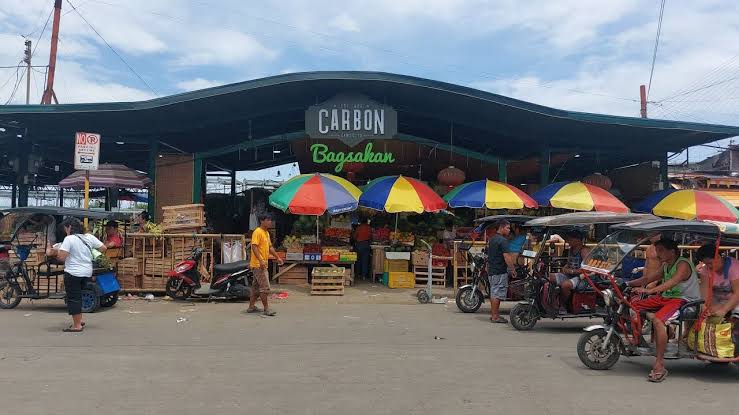
The Cebu City Council is considering a proposal to study the installation of free potable water refill stations in major public areas, including parks, plazas, and Carbon Public Market, to provide residents and visitors easier access to drinking water.
Councilor Jose Lorenzo Abellanosa filed a resolution urging the Department of General Services (DGS), Cebu City Health Department (CHD), and other concerned city offices to conduct a feasibility study on the establishment and maintenance of public drinking water stations.
The proposed resolution is set for deliberation during the City Council’s regular session on July 21.
If approved, the feasibility study will identify possible locations for the refill stations, prioritizing areas with high foot traffic such as Plaza Independencia, Carbon Public Market, public parks, sports complexes, and other city-owned public spaces.
Abellanosa said the initiative would help ensure that residents and visitors have access to safe drinking water, especially during periods of extreme heat.
He noted that Cebu City’s public spaces are frequently visited by workers, vendors, commuters, tourists, and families who often spend long periods outdoors.
Aside from the public health benefits, Abellanosa said the project could also help reduce dependence on single-use plastic bottles and support the city’s environmental sustainability efforts.
The proposal cited provisions of the Local Government Code of 1991 that authorize local government units to promote the general welfare and protect the health and safety of their constituents.
The resolution also aligns with Mayor Nestor Archival’s earlier announcement that his administration plans to establish public drinking water stations in common areas across the city as part of its first 100-day priorities.
Archival said the program aims to encourage residents to bring reusable tumblers and reduce plastic waste from bottled water consumption.
“We are going to install drinkable water in common public areas all over Cebu,” Archival said.
“So that people can just bring their tumblers and refill. There will be no waste.”
The mayor also instructed city department heads and employees to use reusable tumblers during meetings instead of relying on single-use bottled water.
He described the practice as a simple measure that could contribute to reducing waste.
The proposed water refill stations are part of the city government’s broader environmental efforts, including initiatives focused on waste reduction and improved solid waste management.
Archival has previously raised concerns over Cebu City’s waste management expenses, saying the city spends around P600 million annually for garbage disposal while generating about P100 million in waste-related revenues.
His administration has also pursued anti-plastic measures, strengthened waste segregation campaigns, and explored partnerships with recyclers to reduce the volume of waste sent to landfills.
If the resolution is approved, the feasibility study will determine the technical requirements, costs, and operational arrangements needed before the city government proceeds with the installation of free potable water stations.
Photo courtesy of ForeverVacation















Comments