
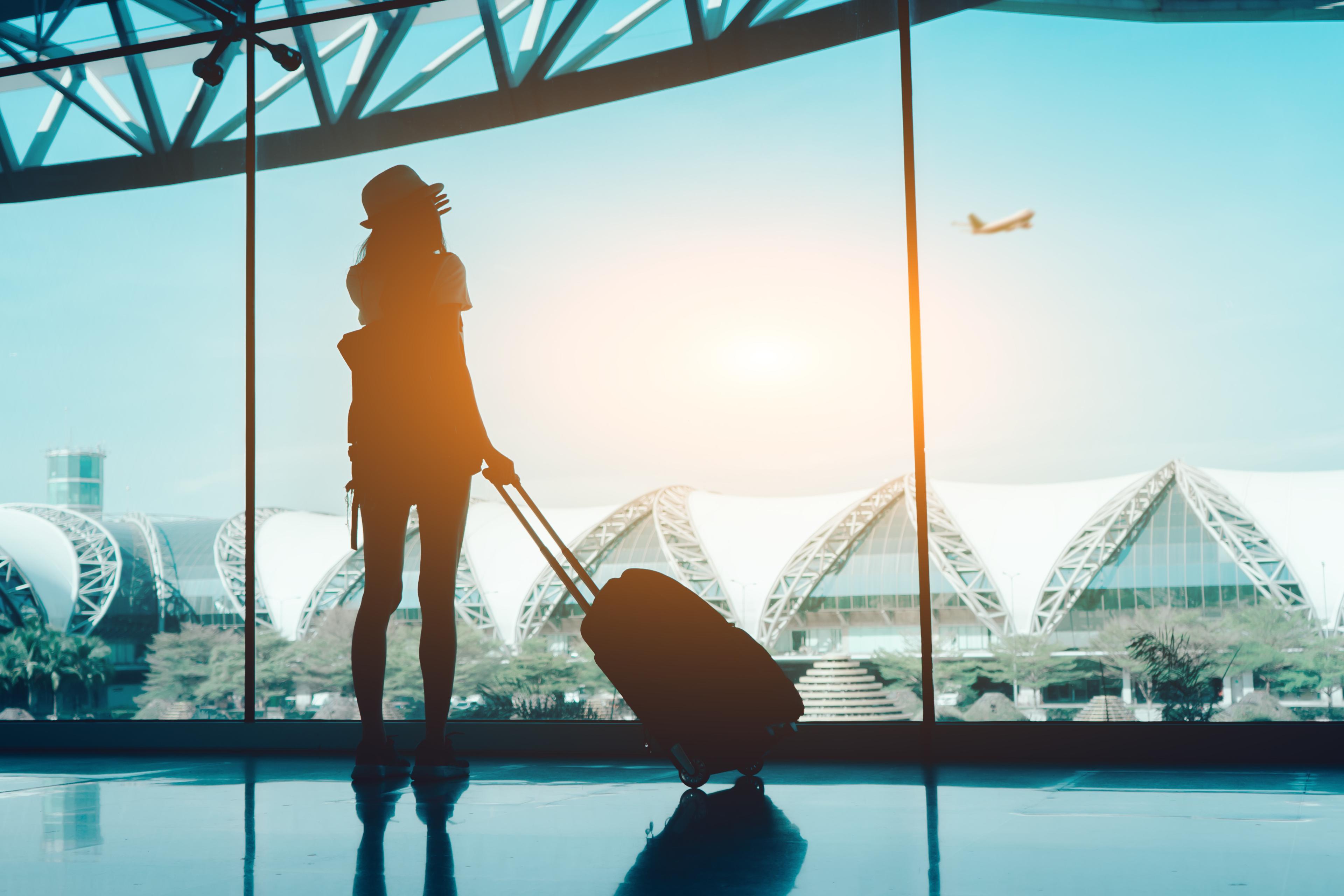
Traveling does not have to be expensive to be memorable. With careful planning, smart budgeting, and practical decisions, anyone can enjoy new destinations while keeping expenses under control (Doody, 2025).
Booking Flights
One of the first ways to save money is by booking flights strategically. Comparing fares through multiple booking platforms and choosing less popular travel times, such as late-night or weekday flights, can significantly reduce airfare costs.
Comparing Accommodations
Accommodation is another major expense, but travelers have more options than ever before. While hostels remain a popular choice for budget travelers, comparing hotel rates, guesthouses, and vacation rentals may reveal better deals depending on the destination and season.
Itinerary Research
Planning an itinerary also helps prevent unnecessary spending. Researching free attractions, local parks, museums with discounted admission days, and community events allows travelers to enjoy a destination without paying for every activity.
Meals & Snacks
Food can quickly consume a travel budget if every meal is eaten at restaurants. Visiting local markets, trying street food, or preparing simple meals when accommodations have kitchen facilities can help reduce daily expenses while offering a more authentic cultural experience.
Public Transits
Transportation costs can also be minimized by using public transit instead of taxis or ride-hailing services. Walking or cycling not only saves money but also allows travelers to appreciate the destination’s neighborhoods, architecture, and hidden attractions at a slower pace.
Smart Packing
Packing wisely before leaving home is another practical way to avoid extra costs. Bringing reusable water bottles, portable chargers, weather-appropriate clothing, and travel essentials can prevent unnecessary purchases during the trip.
Spending Limit
Travelers should also set a daily spending limit to better manage their budget. Using mobile budgeting apps or tracking expenses throughout the day makes it easier to avoid overspending and ensures there is enough money for the rest of the trip.
Finally, meaningful travel does not always come from expensive souvenirs or luxury experiences. Taking photographs, meeting local people, and immersing oneself in the culture often create the most lasting memories, proving that unforgettable journeys are defined more by experiences than by how much money is spent.
Budget-friendly travel is about making informed choices before and during every trip. By planning ahead, comparing prices, and focusing on meaningful experiences instead of unnecessary expenses, travelers can explore more places while making the most of their budget (Doody, 2025).
| Doody, T. (2025). Budget-Friendly travel hacks for students | office for study abroad | the George Washington university. In The George Washington University. https://studyabroad.gwu.edu/budget-friendly-travel-hacks-students |
Photo courtesy of TIME

Comments