



The Cebu Provincial Health Office (PHO) is urging residents and local government units (LGUs) to strengthen dengue prevention efforts after five areas in the province recorded the highest number of cases in the past four weeks.
PHO identified Toledo City, Barili, Talisay City, Consolacion, and Carcar City as the areas with the highest dengue incidence based on its latest surveillance data.
Toledo City recorded the most cases with 49, followed by Barili with 39, Talisay City with 34, Consolacion with 33, and Carcar City with 19.
Despite the increase in cases in these areas, Provincial Public Health Consultant Dr. Elisse Nicole “Nikki” Catalan said dengue remains manageable and continues to be closely monitored by the provincial government.
The PHO has so far recorded 132 confirmed dengue cases in Cebu Province, including two dengue-related deaths reported in Consolacion and Compostela.
Catalan said dengue and leptospirosis remain among the diseases being monitored during the rainy season.
“In rainy season, two things jud among gibantayan ang dengue and leptospirosis,” Catalan said.
She clarified that the figures came from the province’s internal monitoring system and were not from the Department of Health (DOH).
“These are our own numbers from PHO. Dili ni gikan sa DOH. Sa amoa ra ni nga own monitoring,” she said.
The PHO uses its surveillance data to identify areas where cases are increasing and immediately coordinate interventions.
Catalan said the provincial government has already conducted response activities in affected areas, including Barili, where a PHO team was deployed two weeks ago for testing and misting operations.
“So nagbantay gud mi. We’re looking after that,” she said.
PHO data showed that children aged six to 10 remain the most affected group, followed by individuals aged 11 to 20 years old.
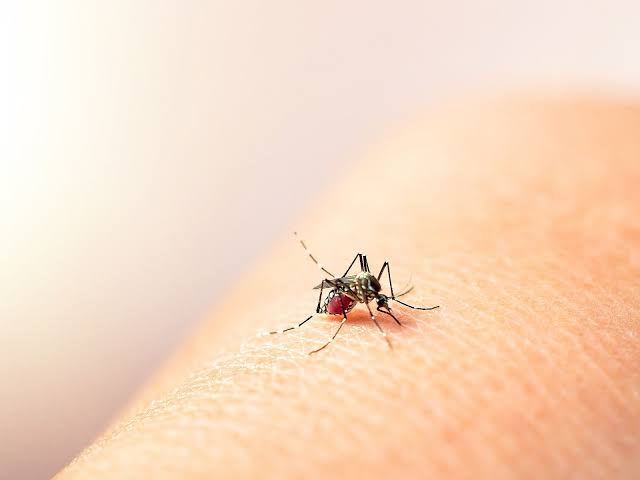
Catalan reminded residents that dengue-carrying mosquitoes commonly breed in clean, stagnant water, making regular cleaning of possible breeding sites essential.
She urged households to inspect and remove stagnant water from containers, gutters, flower pots, and other areas where mosquitoes may reproduce.
Catalan also called on LGUs to closely monitor their local dengue cases and continue community clean-up activities.
“It would be good for LGUs pud nga magbantay sila sa own numbers. Advocacy lang pud nga dapat manglimpyo para maka-prevent nga ingon ana,” Catalan said.
She warned that delayed treatment could lead to severe dehydration and dengue shock, especially among vulnerable patients.
“Ang atong kuyawan sa dengue kay dehydration and can lead to shock. So dapat early detection jud,” she said.
The PHO continues to remind the public to seek medical attention immediately when experiencing warning signs of dengue and to maintain preventive measures, especially during the rainy season.
Photo courtesy of CMQ Hospitals















Comments