



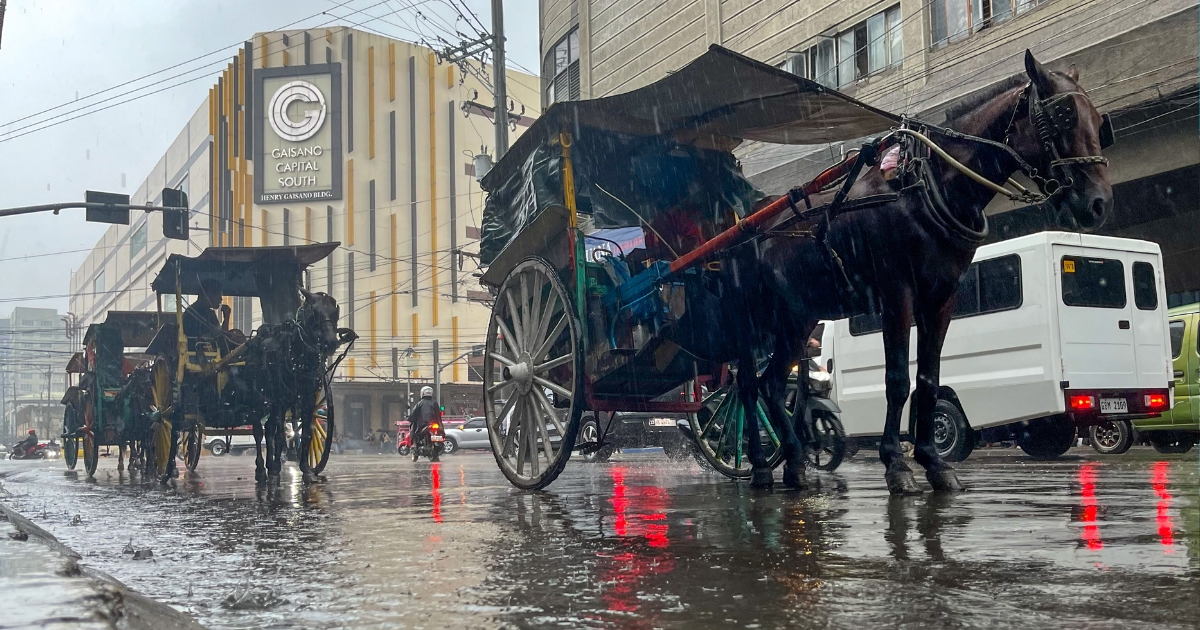
When rain hits the flood-prone streets of Colon, everyone hurries to find a ride home. For tartanilla horses and their owners, they withstand any weather to serve locals and tourists alike for their livelihood.
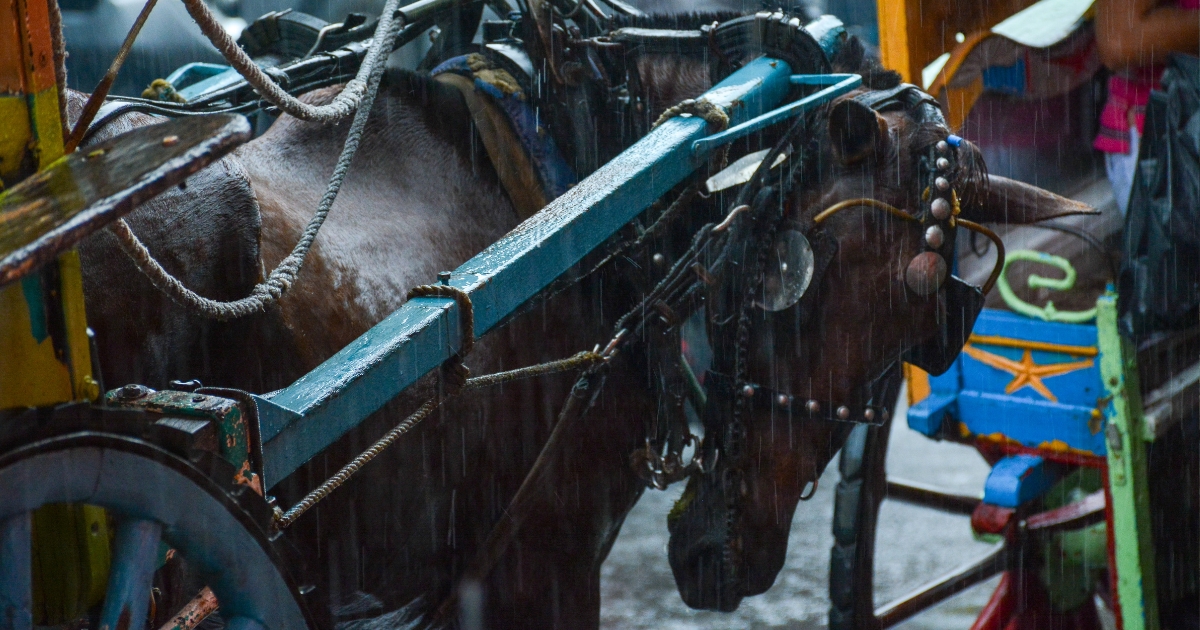
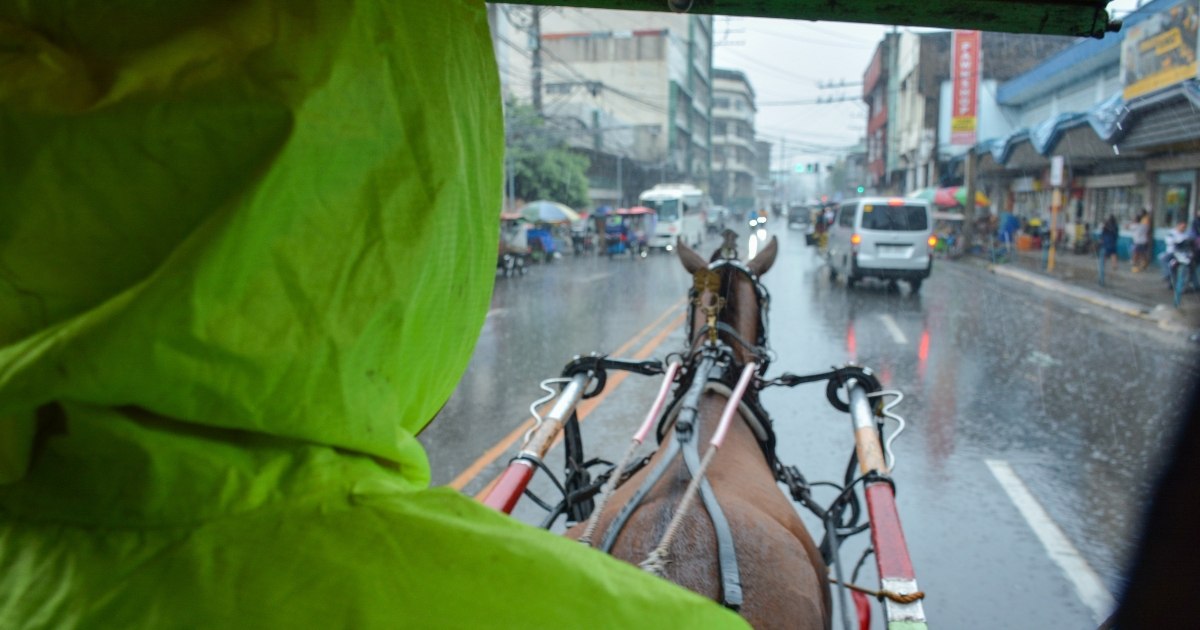
Tartanillas are seen lined up in their designated station in Leon Kilat under pouring rain. Attaching tarps to cover parts of the carriage, the kutseros also wear raincoats as they wait for passengers. Gutters by the roadside start collecting rain water, continuously rising by the minute.
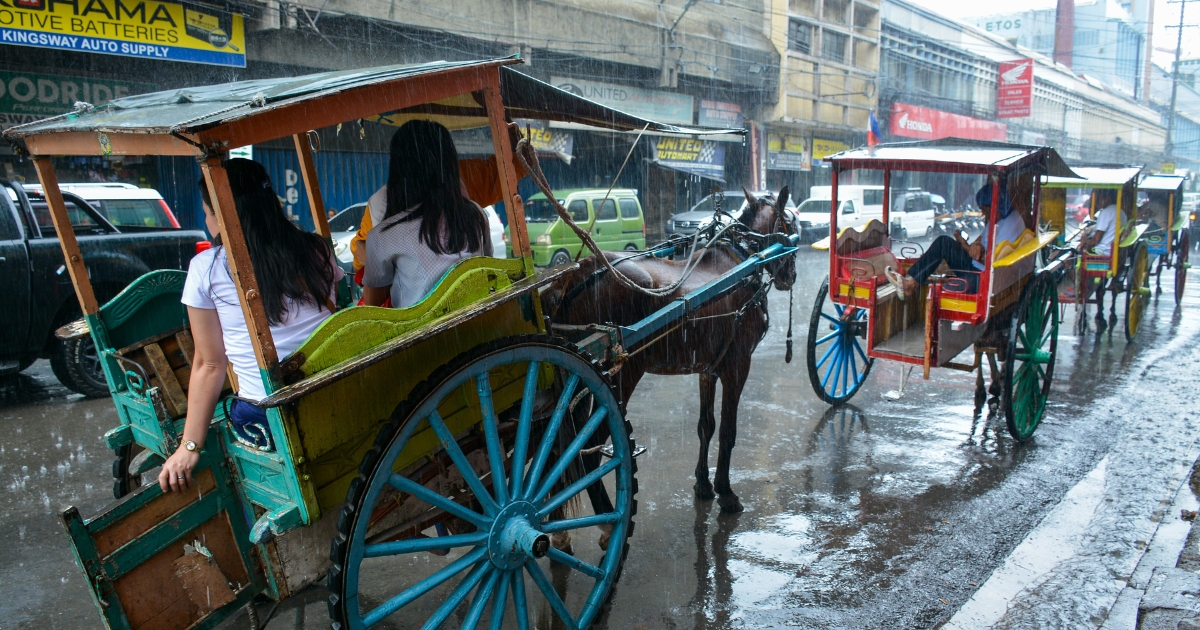
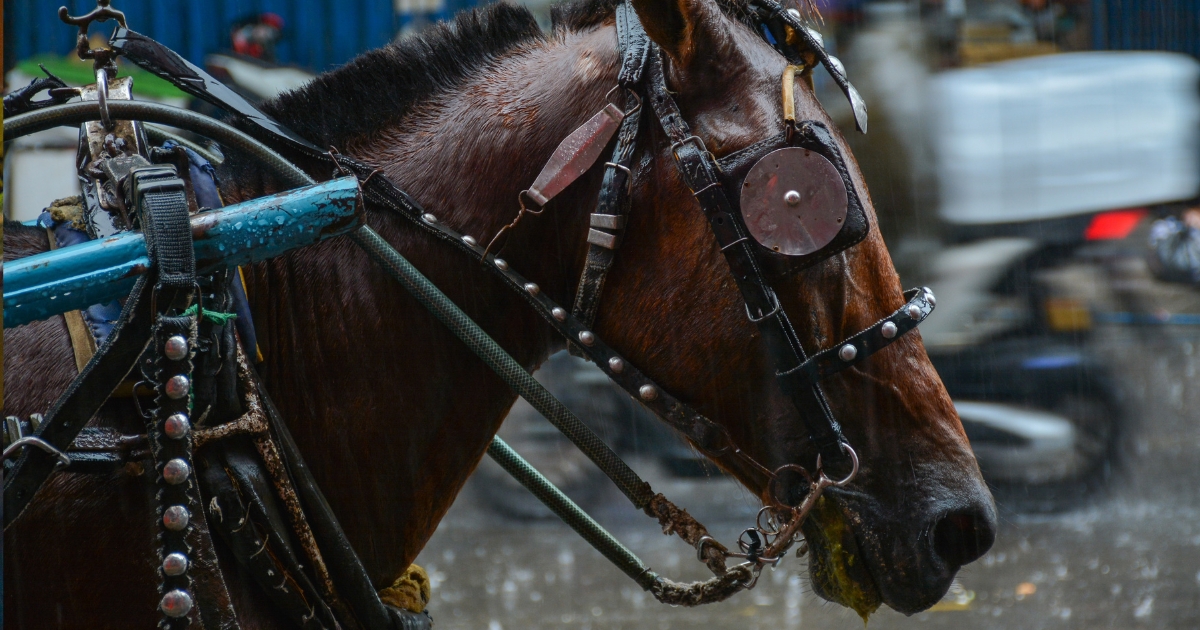
Roger, a 58-year-old kutsero in the terminal, braves the weather in his raincoat with his horse, Leo. He mentioned that he and Leo arrived around 1 P.M. at the terminal, just shortly before the downpour started in Colon.
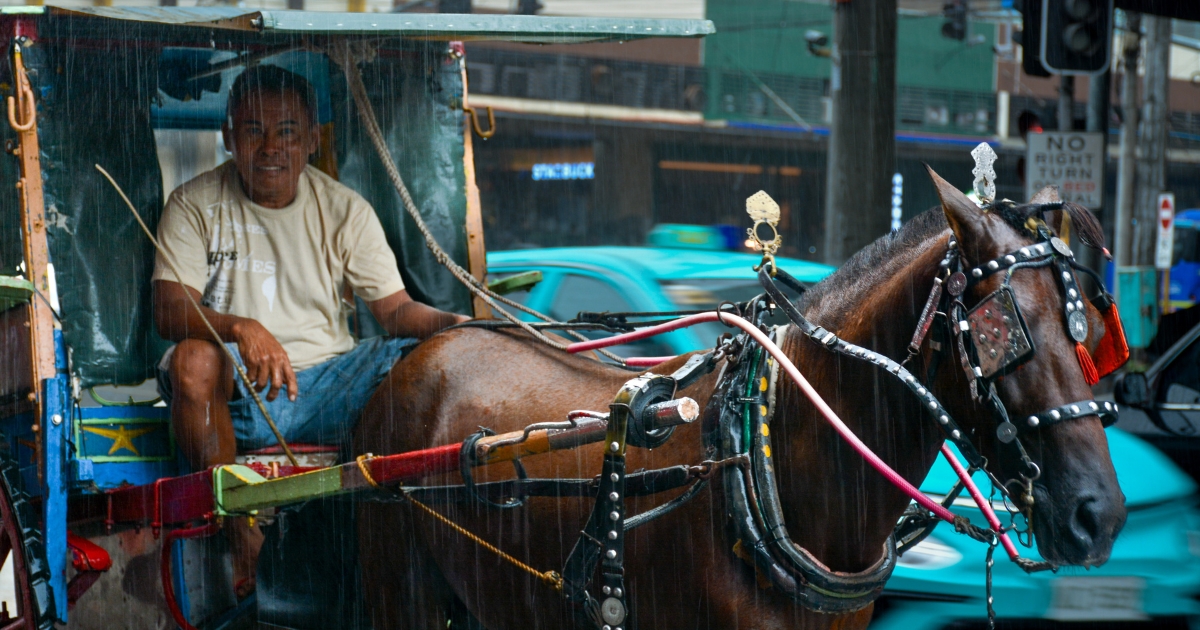
Residing in Cogon, Pardo, Roger has been a kutsero since he was 18. 40 years later, Leo is his newest companion he acquired from Bogo, Cebu.
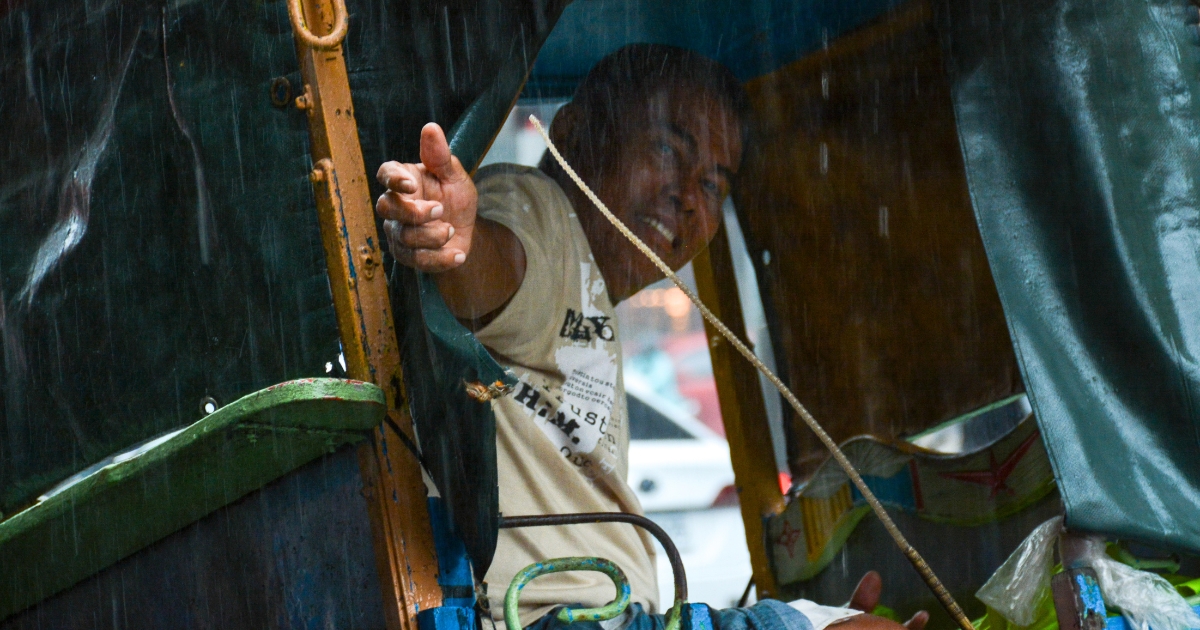
Despite the rain, Roger retells Leo’s capacity to walk in floodwater. He recounts experiences where the streets flooded in heavy rain, especially when their terminal itself is prone to floods.
“Kato diayng lunes, kuyog kaayong uwan, samot na padung mi uli (sa Pardo), lawom kaayo, mudagan gihapon ‘ning kabayo,” he added.
After any exposure to changing weathers, Roger makes sure that Leo is well taken care of and well-fed to keep him strong and healthy. The City Government is also supportive of the livelihood, providing assistance for the horses’ health maintenance.
“Tagaan mi ug vitamins, injections, mga pang purga nga maintenance,” he added. He also works with Leo for a maximum of 5 hours a day to prevent overexhaustion, getting both him and the horse enough rest.
At fares ranging from just 10 to 20 pesos for short rides and around 100-200 for exclusive round trips, livelihoods like that of Roger remind us of the rich Cebuano heritage and culture that continues to live in Downtown Cebu. The carriages can be seen around the clock, with different kutseros taking on different shifts for anyone wanting a ride at night or dawn.
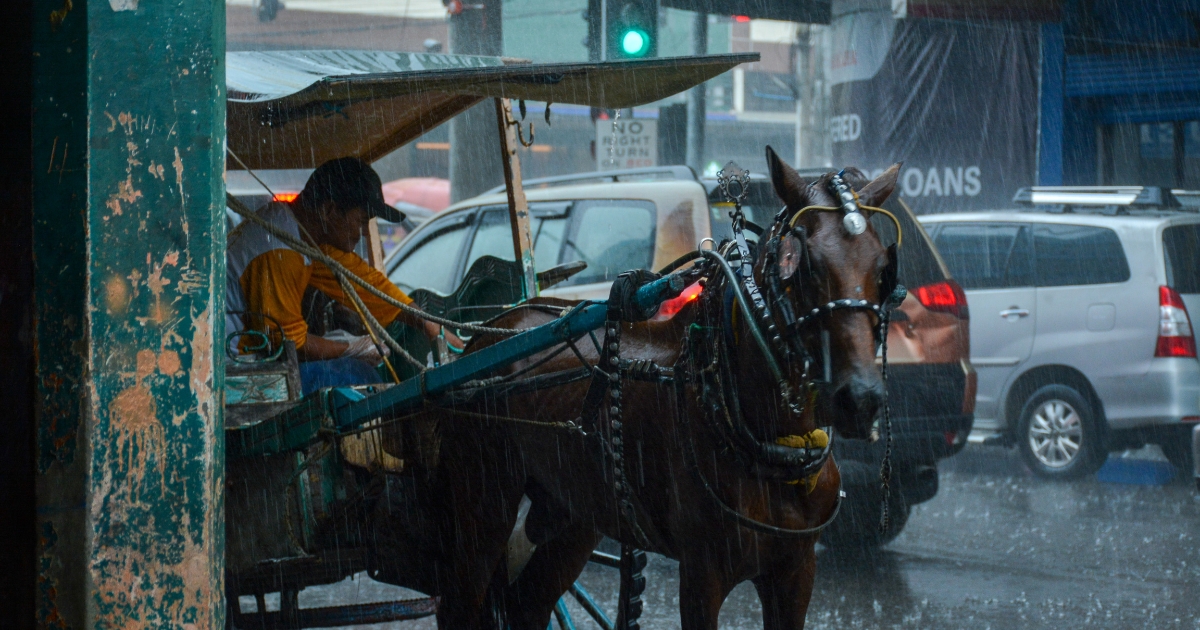
The tartanillas serve as a historic mode of public transport and a cultural symbol in Cebu’s streets since the Spanish era. More than a century later, a small number of kutseros for tartanillas still operate rain or shine through the narrow roads of downtown Cebu City, passing San Nicholas, Pasil, and parts of Carbon.
Amidst the era of engine-ran and rechargeable vehicles, the hooves of the city remain steadfast through any weather condition as it preserves the culture of what Cebu once had reigning its streets.
Photos by Christie Mae Sato & Andrie Gabutan















Comments