



For people discharged from hospitals but still unable to safely return to the streets, Cebu City is considering a temporary shelter where they can continue their treatment while receiving social welfare support.
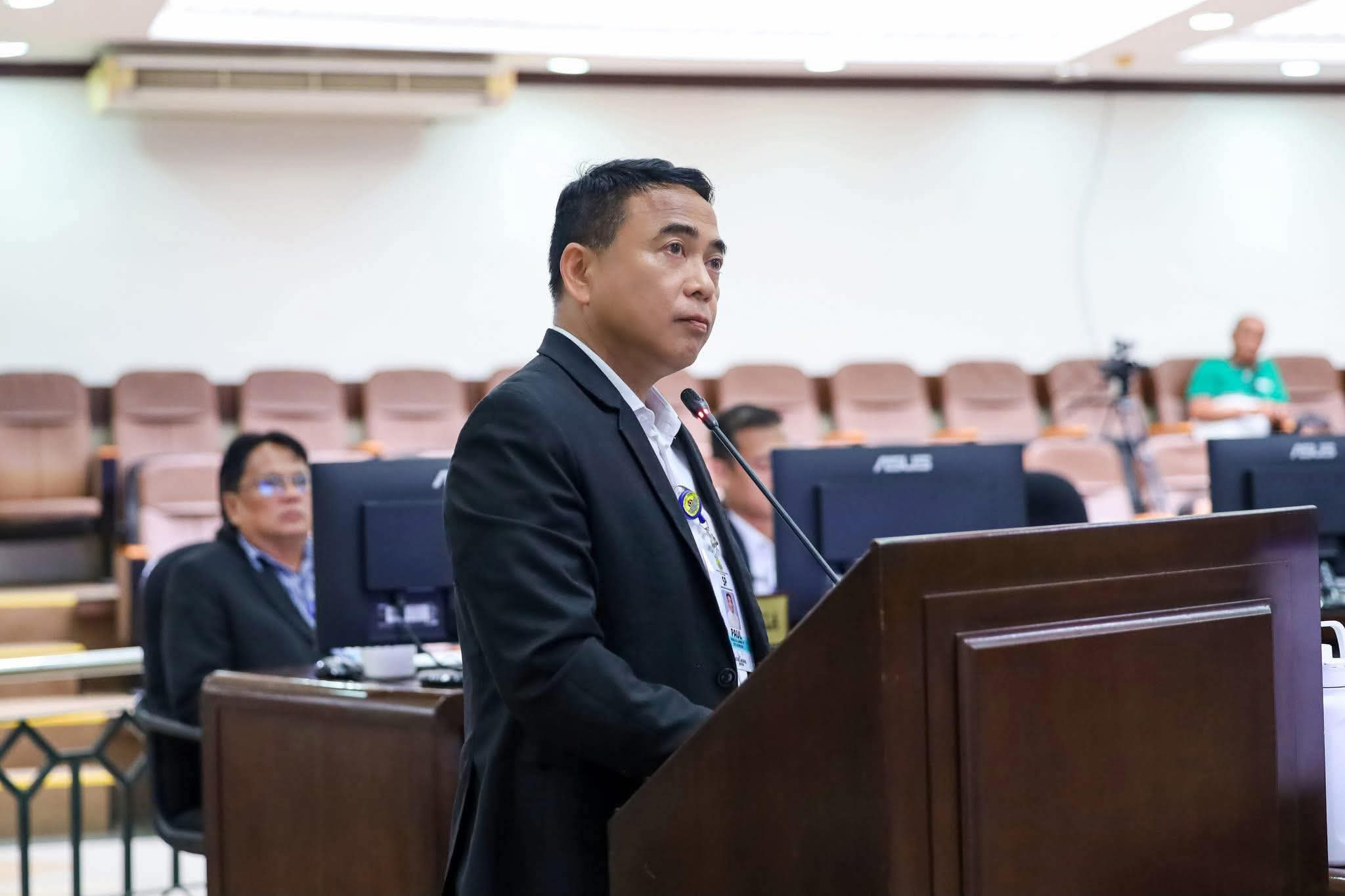
The proposal, initiated by Councilor Paul Labra, is contained in a resolution approved by the 17th Sangguniang Panlungsod and seeks to establish a transitional care facility for sick street dwellers, mendicants and other vulnerable individuals.
The proposed shelter would accommodate patients declared medically fit for discharge from the Cebu City Medical Center (CCMC) but who still need medication, wound care, follow-up consultations, nutritional support or other forms of continuing care.
The resolution directs the Office of the City Mayor, in coordination with the Department of Social Welfare Services (DSWS), City Health Department (CHD) and CCMC, to identify, establish and operate the facility.
The measure noted that CCMC regularly treats rescued street dwellers, mendicants and indigent individuals with various illnesses and medical conditions. While some are eventually cleared for discharge, others continue to require medical and social support.
Existing social welfare facilities, however, have limited capacity to accommodate discharged street dwellers and mendicants, according to the resolution.
Without a suitable post-hospitalization facility, some of these individuals may have no option but to return to the streets, where they could struggle to continue prescribed treatment and remain exposed to unsafe and unsanitary conditions.
The resolution said this could lead to relapse, reinfection or further deterioration of their health while undermining the medical care already provided by the city.
The proposed facility would provide temporary accommodation while authorities work on longer-term arrangements for each individual.
Its services would include medical monitoring, medication management, case management and social welfare interventions. It would also serve as a transition point for family reunification, community reintegration or referral to an appropriate long-term care facility.
The resolution also calls on the DSWS, CHD and CCMC to develop an integrated referral, turnover and case management protocol to ensure continuity of medical and social services after discharge.
The proposal cites Section 16 of Republic Act No. 7160, or the Local Government Code of 1991, which grants local government units powers necessary for effective governance and the promotion of general welfare.
The measure comes as the city continues to revisit how it implements its anti-mendicancy policy while addressing the needs of people living in vulnerable conditions.
The issue gained renewed attention following the apprehension of 68-year-old harmonica player Ireneo Vidal along Colon Street in May.
The incident prompted councilors to revisit City Ordinance No. 1631, the city’s anti-mendicancy ordinance, particularly provisions covering elderly, sick and otherwise vulnerable individuals.
Councilor Pastor Alcover Jr. earlier pointed out that Section 5 of the ordinance directs authorities to turn over elderly mendicants, sick individuals and persons with physical or mental infirmities to the DSWS.
The council has also discussed harmonizing the anti-mendicancy ordinance with the city’s busking ordinance to distinguish legitimate street performance from mendicancy.
The proposed shelter, however, addresses a related issue beyond apprehension and enforcement: providing a place for vulnerable street dwellers and mendicants who have received medical treatment but are not yet capable of safely living independently.
Under the proposal, the city would have a designated facility where they could recover, continue treatment and receive social support before being reintegrated into the community or placed in a more permanent care arrangement.
Photo courtesy of SP Secretariat Cebu City















Comments