



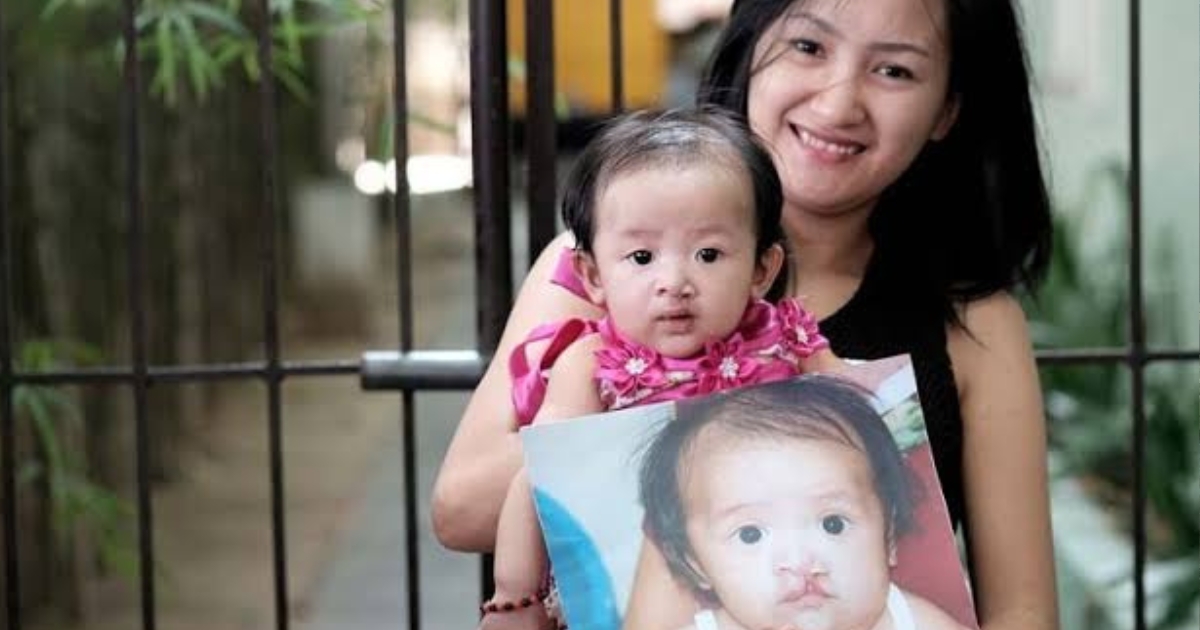
Expanding access to comprehensive cleft care remains a priority as a child is born with a cleft every three minutes worldwide, according to the World Health Organization (WHO).
Smile Train Area Director for Southeast Asia John Manuel Flores said families continue to encounter barriers to timely treatment despite cleft lip and palate being highly treatable conditions.
“Clefts affect far more than a child’s outward appearance. It impacts even basic functions like breathing and eating, and even their well-being as they grow into adulthood,” Flores said in a news release Tuesday.
He said comprehensive cleft care should go beyond surgery and include nutritional support, speech therapy, specialized orthodontic and dental care, hearing services and psychosocial counseling.
“Comprehensive cleft care includes essential treatments beyond cleft surgery, such as nutritional support, speech therapy, specialized orthodontics and dental work, hearing care, and psychosocial counseling – all important toward ensuring people with clefts not just live but thrive,” he said.
Health organizations and medical institutions estimate that about 4,000 children in the Philippines are born with a cleft lip, cleft palate or both every year.
Medical journals meanwhile place the incidence of cleft conditions in the country at between one in 500 and one in 1,000 live births.
Flores said surgery alone cannot address all the needs of children with cleft conditions, emphasizing the need for sustained support from families, schools and communities.
He said these support systems can help children receive continued care and participate fully in their communities as they grow.
To address misconceptions about cleft conditions at an early age, Smile Train Philippines has partnered with the REX Education Foundation Inc. (REFI) to launch educational initiatives promoting understanding, empathy and inclusion in schools.
REFI Vice Chairperson Dominic Leandre Buhain said schools can help shape how children understand and treat people with cleft conditions.
“Through our partnership with Smile Train Philippines, we hope to foster greater understanding of cleft conditions at an early age, helping nurture classrooms and communities where every child feels respected, included, and empowered to thrive,” Buhain said.
Smile Train provides funding, training and resources to local health professionals in countries around the world to deliver cleft treatments at no cost to patients.
The organization said these interventions aim to improve the ability of people with clefts to eat and speak while supporting their long-term health and development.
Photo courtesy of Smile Train















Comments