



Garbage violators in Cebu City could face fines of up to P5,000 and as much as one year in jail under a proposed ordinance seeking to update penalties that have remained largely unchanged for more than three decades.
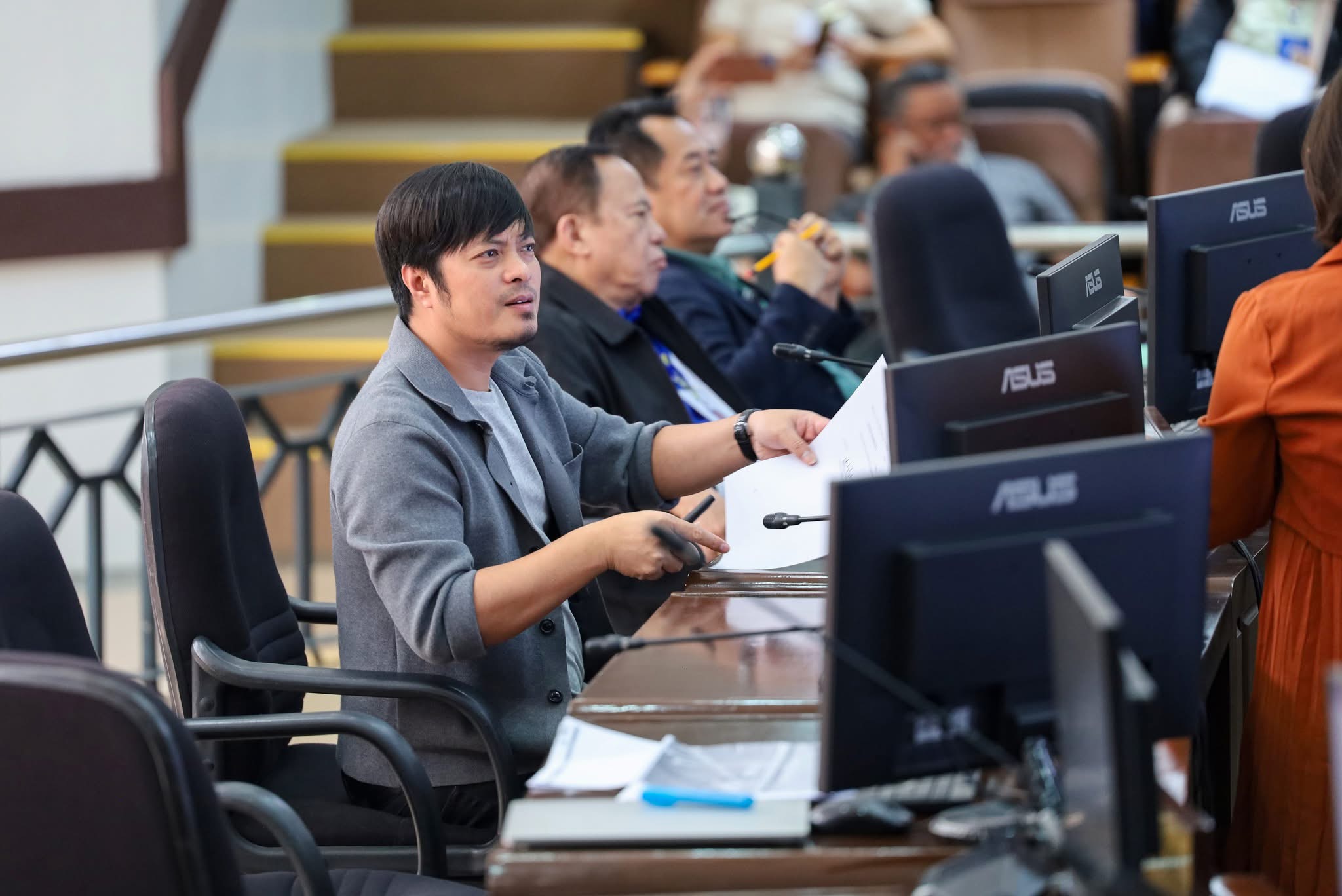
City Councilor Winston Pepito is proposing amendments to Article 31 of Ordinance No. 1361, or the city’s Garbage Ordinance, which was last amended in 1994 through Ordinance No. 1512.
The proposed measure would introduce graduated penalties, with heavier sanctions for repeat offenders.
Under the proposal, a first offense would carry a fine of P2,500 to P3,500. Those unable to pay could instead be required to render at least 30 hours of community service, as determined by the barangay or appropriate authority.
A second offense would carry a fine of P3,500 to P4,500, imprisonment of one to three months, or both, at the discretion of the court.
For a third or subsequent offense, the penalty would increase to a P5,000 fine and six months to one year in prison, with both penalties imposed by the court.
Repeat offenders who operate businesses could also face suspension, revocation or non-renewal of their business or mayor’s permits.
Pepito said the existing penalties are no longer an effective deterrent against illegal dumping, nonpayment of garbage fees and other violations because the cost of living and value of money have changed significantly since the penalties were last adjusted.
Under the 1994 amendment, violators face a fine of only P500 to P1,000, imprisonment of one to six months, or both, at the discretion of the court.
The existing ordinance also allows violators to settle cases out of court through a P2,000 compromise penalty, subject to the city mayor’s approval.
The proposed measure would raise the compromise penalty to P5,000 and allow out-of-court settlements only for first and second offenses.
A violator seeking a settlement would have to submit a written application and sign a covenant promising not to commit another violation of the Garbage Ordinance.
Approval would remain at the discretion of the city mayor and could not be demanded by the violator.
No compromise settlement would be allowed for a third or subsequent offense.
Once approved and paid, the compromise settlement would shield the violator from criminal prosecution and other penalties arising from the same violation.
The proposal would retain a provision allowing barangays to receive compromise penalties when their officials or barangay tanods detect and apprehend violators.
Each violation would also be treated as a separate offense.
To determine whether an offender is a first-time or repeat violator, the court or city mayor could consider records or certifications from the City Treasurer’s Office or the Clerk of Court showing previous convictions or approved compromise settlements.
The proposed ordinance would also hold the manager or person in charge criminally responsible when a corporation or other juridical entity commits a violation.
For third and subsequent offenses, the city could also pursue sanctions against the offender’s business or mayor’s permit in addition to the prescribed fine and imprisonment.
The proposal cites Section 458 of Republic Act No. 7160, or the Local Government Code of 1991, which authorizes city councils to impose fines of up to P5,000, imprisonment of up to one year, or both, for violations of city ordinances.
The same provision allows local governments to adopt measures for environmental protection, including penalties for improper disposal of garbage, refuse and other solid waste.
The proposed amendment has yet to take effect and will still undergo the required legislative process.
Photo courtesy of Sangguniang Panglungsod Cebu City - Secretariat















Comments