



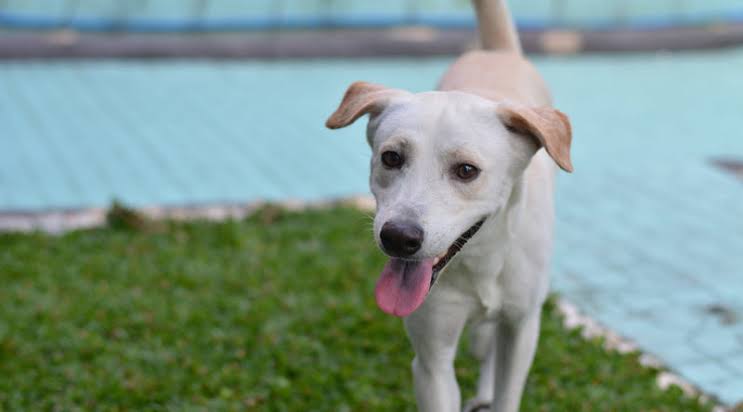
Fewer than one in five dogs and cats in Central Visayas had received anti-rabies vaccination as of June 2026, prompting the Department of Agriculture-Bureau of Animal Industry Central Visayas (DA-BAI 7) to push stronger pet registration, vaccination and monitoring.
The DA-BAI 7 Rabies Situationer Report recorded 64,359 vaccinated animals out of 407,424 dogs and cats in the region, equivalent to 15.8%. The national rabies prevention program targets 70% vaccination coverage.
Regional animal welfare officer Dr. Verna L. Agriam said responsible pet ownership should begin before people take animals into their homes, including assessing whether they can provide lifelong care and regular vaccination.
“We have to start educating people that they need to manage how many pets they can have in their household. Think about whether you really can handle the responsibility of taking care of a dog, because it is a lifetime commitment and your responsibility includes vaccinating your pets,” Agriam said.
She said gaps in pet management continue to hinder rabies prevention, including weak awareness of voluntary vaccination and some owners’ refusal to have their pets vaccinated.
DA-BAI 7 is advocating house-to-house pet censuses to establish more accurate counts of dogs and cats in communities. The agency said the data would help guide vaccination campaigns and other rabies-control measures.
It is also urging every local government unit to hire a veterinarian to strengthen animal vaccination, disease surveillance and other local animal health services.
Under Republic Act 9482, or the Anti-Rabies Act of 2007, dog owners are required to register their dogs, have them regularly vaccinated against rabies and report biting incidents within 24 hours.
A dog that bites a person must be placed under observation for up to 14 days.
Owners who fail or refuse to register and vaccinate their dogs face a P2,000 fine and must shoulder the vaccination costs of both the dog and the person bitten.
An owner who refuses to have a biting dog placed under observation may be fined P10,000. Refusing both observation and payment of the medical expenses of the person bitten carries a P25,000 fine.
The law also directs LGUs to implement field control measures to reduce the number of unregistered, stray and unvaccinated dogs.
The National Rabies Prevention and Control Program, established under the law, is led by the Bureau of Animal Industry and implemented with the Department of Agriculture, Department of Health, Department of the Interior and Local Government, Department of Education and LGUs, with support from other government agencies and civil society organizations.
The program aims to eliminate rabies in the Philippines by 2030, in line with the global target.
In Central Visayas, a regional technical working group composed of government agencies, nongovernment organizations and academic institutions coordinates efforts on vaccination, disease surveillance, public awareness and response to rabies exposures.
Agriam said rabies prevention also requires community participation, particularly in ensuring that pet owners comply with responsible ownership practices.
“If a dog bites, your dog becomes a community problem, which now involves everyone. That is why it is very important for our barangays to cooperate in disciplining pet owners to properly take care of their dogs and encourage them to have their pets vaccinated with the anti-rabies vaccine,” she said.
Photo courtesy of Pet Express















Comments