



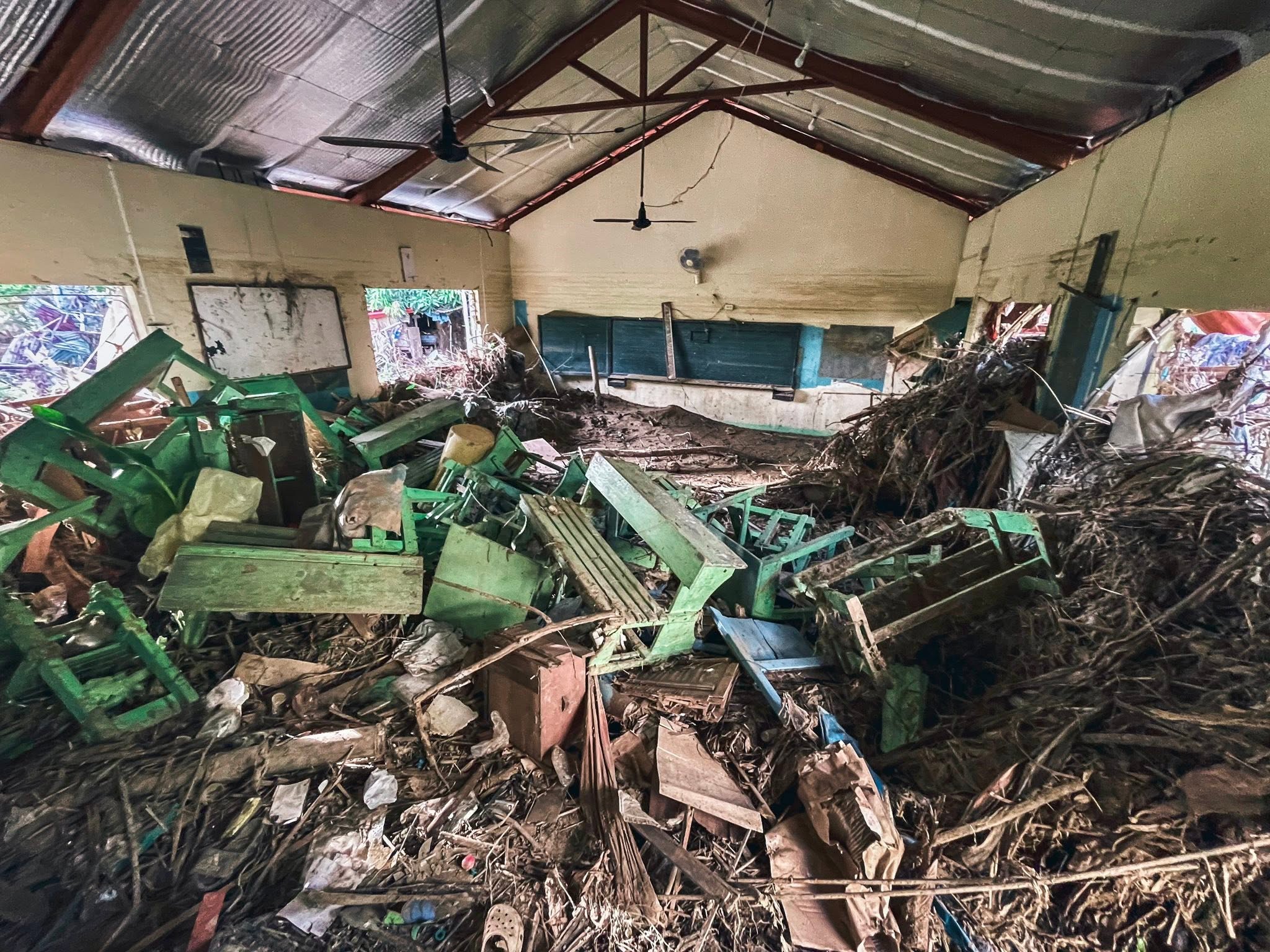
Liloan distributed P30.714 million in financial assistance to households whose homes were damaged by Typhoon Tino in 2025, but state auditors said the municipality lacked documents needed to fully establish the beneficiaries’ eligibility.
The Commission on Audit (COA) found that inspection and validation records were not attached to the disbursement vouchers, cash advance documents and liquidation reports reviewed by its audit team.
The assistance covered households with totally or partially damaged homes. Beneficiaries were supposed to receive P5,000 for totally damaged dwellings and P3,000 for partially damaged ones.
COA said the missing records prevented auditors from fully determining the validity and propriety of the transactions and whether all individuals listed in the payroll met the requirements for the aid.
The municipality’s disbursing officer had received a total of P37.251 million for the financial assistance program. By Dec. 31, 2025, P30.714 million had been released to beneficiaries, according to the audit report.
The Municipal Social Welfare and Development Office (MSWDO) told auditors that some affected families were unable to claim the assistance during the scheduled payout because they had temporarily moved to other areas after the typhoon.
The MSWDO was responsible for preparing the list of beneficiaries and conducting the payout. It said validation was carried out in some cases through the barangays, which submitted their final beneficiary lists, while MSWDO personnel directly validated some recipients.
However, the supporting inspection and validation documents were not attached to the transactions when COA examined them.
The audit team said the records should have provided evidence that the people included in the payroll were qualified to receive the assistance.
COA cited Section 4(6) of Presidential Decree No. 1445, or the Government Auditing Code of the Philippines, which requires claims against government funds to be supported by complete documentation.
The auditors recommended that the municipal government, through the MSWDO, submit the missing records for all beneficiaries.
These include inspection reports, beneficiary assessment forms and barangay certifications that could establish the recipients’ eligibility.
Municipal management attributed the documentation gaps to the urgency of the disaster response. It said immediate assistance was prioritized after Typhoon Tino, while validation was conducted at the barangay level and partly by the MSWDO.
The municipality also cited operational constraints and the temporary relocation of some beneficiaries as factors that prevented the validation documents from being fully consolidated.
“These deficiencies were due to the urgency of disaster response and not an intent to bypass procedures,” management said, according to the COA report.
Management also committed to strengthening validation and documentation procedures for future assistance programs.
During the exit conference, municipal officials told auditors that the validation documents had already been filed and were ready for submission.
COA acknowledged the need to act quickly when providing assistance during disasters but stressed that emergency conditions do not remove the requirement to maintain complete supporting records.
“During the exit conference, the MSWDO was advised to compile the validation documents for further audit procedures to be conducted at a later date,” the report said.
Photo by Jacq Hernandez















Comments