



Metro Cebu could face tighter water supplies as a strong El Niño threatens to intensify toward the end of 2026 and persist through the first half of 2027.
Cebu City Mayor Nestor Archival has urged the Metropolitan Cebu Water District (MCWD) to secure at least 10 million liters of additional water daily at a purchase price 27% to 30% lower than its current rate.
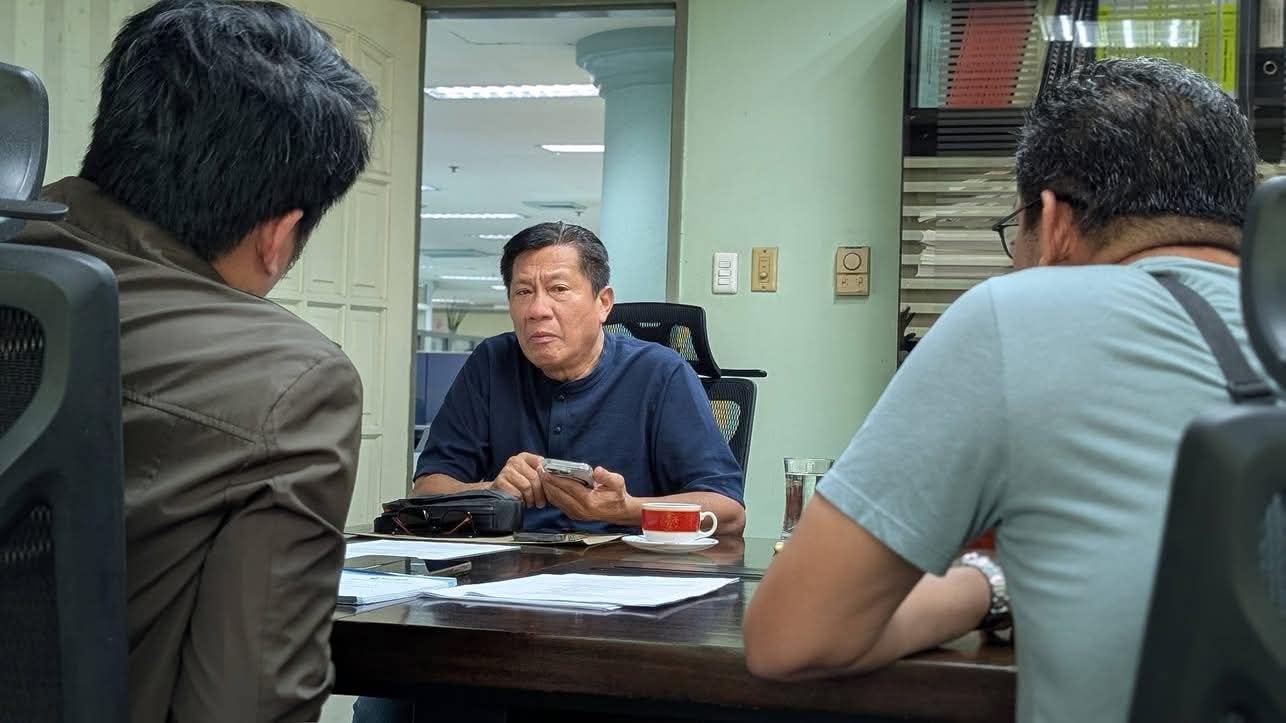
Archival made the recommendation after meeting with MCWD officials to discuss measures to cushion the effects of the anticipated dry spell. He wants the additional supply secured by early 2027, alongside improvements in pumping infrastructure, groundwater development and water-loss reduction.
Aside from securing the additional 10 million liters per day (MLD), Archival proposed five priority measures to strengthen MCWD’s preparations for potential water shortages.
These include assessing, repairing or replacing emergency generators at critical pumping stations and acquiring additional units where necessary to keep operations running during power interruptions.
He also recommended installing siphon systems and filtration equipment at strategic locations in the northern and southern portions of MCWD’s service area to improve water conveyance and distribution.
For groundwater development, Archival urged the district to identify suitable sites for additional wells, subject to technical feasibility, water quality and environmental assessments.
The mayor also proposed hiring a third-party provider under a “No Cure, No Pay” arrangement to reduce non-revenue water, which refers to water lost through leaks, illegal connections, meter inaccuracies and other causes before it generates revenue.
The proposed contract would cover leak detection, pipeline repairs, water meter testing and replacement, and the identification of illegal connections.
Archival asked MCWD to prioritize the measures and submit an implementation schedule outlining estimated costs and target completion dates.
Meanwhile, MCWD has been preparing for the anticipated effects of El Niño since April, General Manager Atty. John Dx Lapid said during a separate Kapihan sa PIA discussion on water and power preparedness.
The district’s existing measures include installing booster stations, reviving groundwater sources and deep wells, and coordinating with bulk water suppliers to secure additional desalinated water.
Lapid said MCWD was targeting additional desalinated water by November, particularly if rainfall declines significantly toward the end of the year and remains low in early 2027.
The district is also exploring additional water sources in Carmen, Cebu, while conducting hydraulic studies to determine how pipelines can distribute water between areas instead of relying solely on water trucks.
However, Lapid acknowledged that desalinated water costs more than conventional sources. He warned that worsening conditions could force MCWD to reduce supply in some areas or implement water rationing.
Surface water remains among the most vulnerable sources during prolonged dry conditions. Sources discussed by MCWD included the Mananga River, Cotcot River in Compostela, Lusaran and the Luyang River in Carmen.
Lapid said the Cotcot River’s supply could potentially drop to zero during a severe El Niño, while Lusaran could lose about 20 MLD, potentially affecting around 20,000 households.
PAGASA Visayas weather specialist Jhomer Eclarino said the El Niño was classified as strong, with the possibility of reaching the very strong category between September and December 2026.
Eclarino also reported significant rainfall reductions in Central Visayas, citing an 89% decline in the previous month and a 52% reduction in September.
Although weather systems and localized thunderstorms could still bring rain, below-normal rainfall could further strain water supplies as the dry season approaches.
Photo courtesy of Nestor Archival / Facebook















Comments