



Cebu is earmarking P200 million for measures to cushion the province from the possible effects of El Niño, with water security, agriculture and essential services among the priorities.
Capitol Public Information Office head Ainjeliz de la Torre-Orong said the amount represents the total funding allocated by the Cebu Provincial Government for its El Niño preparedness and mitigation efforts.
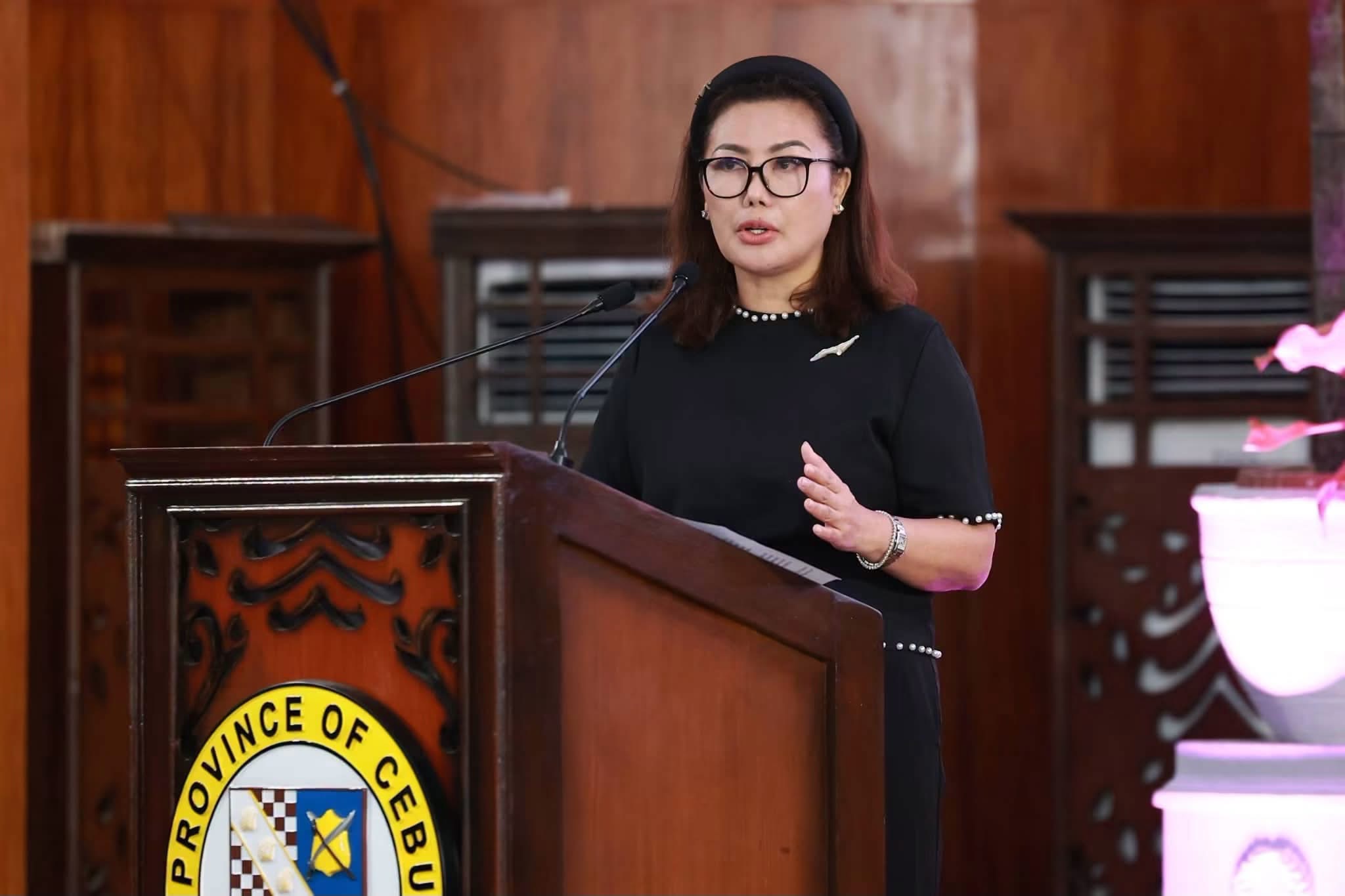
The funding forms part of the Cebu El Niño Preparedness and Mitigation Plan 2026-27, which Governor Pamela Baricuatro approved as the province prepares for prolonged dry conditions that could put pressure on water supplies and affect agriculture, public health, energy and other economic activities.
The Philippine Atmospheric, Geophysical and Astronomical Services Administration (Pagasa) said sea surface temperatures in the Pacific reached levels indicating a “strong” El Niño in September, with the phenomenon potentially reaching the “very strong” category by year-end.
The provincial plan emphasizes early action before the effects become critical, particularly in areas vulnerable to water shortages, agricultural losses, health risks and disruptions to basic services.
It establishes a coordinated monitoring and early warning system, with local disaster risk reduction offices required to regularly report on water availability, agricultural conditions, fire incidents and heat-related emergencies.
The Provincial Disaster Risk Reduction and Management Office (PDRRMO) will map drought-prone areas, water-stressed communities, agricultural hotspots and fire-prone locations. It will also prepare for the deployment of water tankers, mobile storage facilities, generators and other emergency equipment.
Water supply is one of the province’s primary concerns.
The Provincial General Services Office will identify barangays experiencing water shortages and determine areas that should receive augmentation. The Provincial Engineering Office, meanwhile, will assess available water sources and prepare projects involving emergency deep wells, communal tanks, reservoirs and other facilities.
The province will also coordinate with water districts, bulk water suppliers and private utilities to help maintain water availability during prolonged dry conditions.
Agriculture and other climate-sensitive livelihoods are also covered by the plan. Provincial offices will promote drought-tolerant crops and efficient irrigation while preparing water arrangements for livestock and contingency assistance such as seeds and animal feed.
Health authorities will monitor cases of heat-related illnesses, dehydration and heatstroke. They will also strengthen surveillance for diseases associated with water shortages, unsafe drinking water and inadequate sanitation.
The plan extends to schools, tourism destinations, public facilities and energy systems, with concerned agencies directed to assess vulnerabilities and prepare alternative water and power arrangements when needed.
The province will implement the preparedness framework in four phases: risk assessment and preparedness; anticipatory mitigation; emergency response and sustained operations; and recovery and rehabilitation.
Four operational alert levels will guide the response, beginning with “Green” for normal preparedness and progressing to “Red” for severe impacts requiring sustained provincial intervention.
As alerts rise, the province may increase water monitoring, provide targeted assistance and preposition water delivery equipment. Under emergency-response conditions, it may sustain water augmentation, mobilize available resources and request assistance from the national government.
Among the resources identified for procurement, deployment or augmentation are water tankers, portable water treatment machines, water-quality testing kits, backup generators, medical supplies, livestock feed, agricultural inputs and emergency food stocks.
The PDRRMO will oversee monitoring and coordination, while provincial offices and local governments will carry out measures within their respective mandates and available resources.
During heightened alert or emergency operations, the province will conduct daily monitoring. Weekly assessments will track climate and sectoral conditions, while monthly reviews will evaluate implementation and emerging risks.
Photo courtesy of Capitol PIO















Comments