



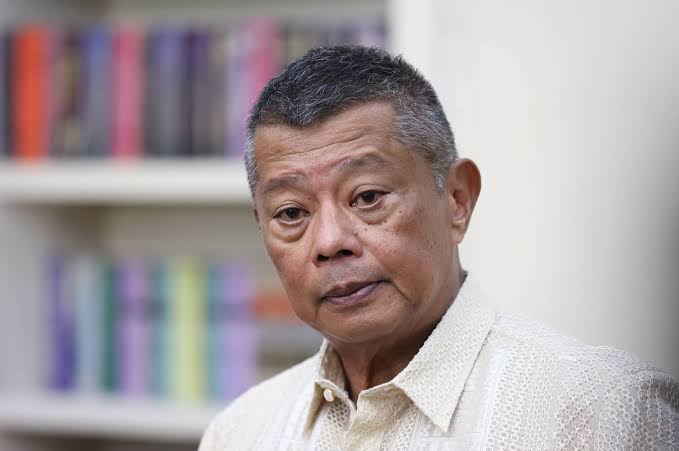
Ombudsman Jesus Crispin Remulla has urged Filipinos to look beyond social media comments and trending topics when assessing corruption cases, warning that paid online propaganda could mislead the public and distort perceptions of ongoing proceedings.
In a statement on Thursday, Remulla said the Office of the Ombudsman would continue pursuing accountability regardless of the wealth, political connections or influence of those facing allegations.
“Our cases are not decided by trending topics, hashtags, or the loudest comment section,” he said.
Remulla urged the public to examine official records, court filings and evidence instead of relying on online reactions when evaluating corruption allegations.
“Huwag tayong magpauto sa mga taong nagbabayad para sa comments at reactions. Kung gusto ninyong malaman ang totoo, huwag sa comment section kayo tumingin (Let’s not be fooled by people who get paid for comments and reactions. If you want to know the truth, don’t look in the comment section),” he said.
“Tingnan ninyo ang mga dokumento. Tingnan ninyo ang mga kasong naisampa. Tingnan ninyo ang ebidensya (Look at the documents. Look at the cases that have been filed. Look at the evidence).”
The Ombudsman said online campaigns backed by money and political connections would not derail the agency’s investigations and prosecutions.
“To those still hoping that time, money, connections, or a paid army online will save them: they will not,” Remulla said.
He also called on the judiciary to act on cases already filed in court, saying an independent and impartial judicial process was essential to holding those accused of corruption accountable.
“Nasa korte na ang mga kaso (Cases are now in courts). We have done the hardest part: building them. The next chapter belongs to our courts,” he said.
“We expect our courts to be what the Constitution asks of them: impartial, independent, and attuned to the times.”
Remulla said the Ombudsman had filed 39 cases arising from the multibillion-peso flood control scandal, including 35 before the Sandiganbayan and four before Regional Trial Courts.
The cases involve 52 accused individuals.
He said investigators built the cases using evidence they gathered and examined, including government contracts, audit reports, project inspections and financial records.
The agency also ensured that respondents had opportunities to answer the allegations against them.
Photo courtesy of Inquirer.net















Comments