



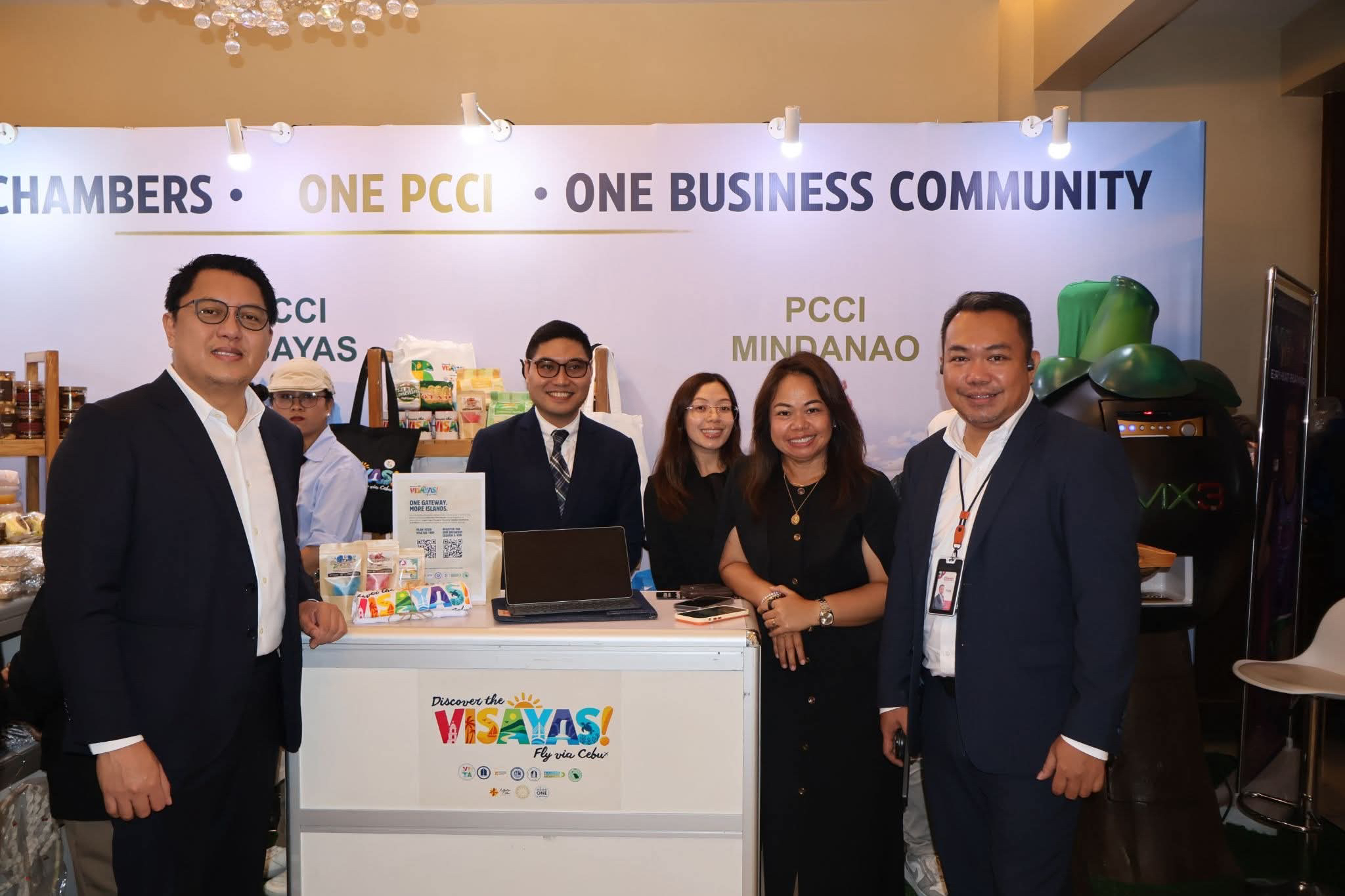
Cebu is being positioned as the main gateway to six island destinations under a new tourism campaign that seeks to encourage multi-island travel, extend visitor stays and spread tourism spending across more communities.
The “Discover the Visayas, #FlyViaCebu” initiative brings together the Visayas Island-Chambers Tourism Alliance (VITA), Mactan-Cebu International Airport (MCIA) operator Aboitiz InfraCapital Cebu Airport Corp. (ACAC), the Department of Tourism (DOT) and the Philippine Chamber of Commerce and Industry (PCCI).
The partners formalized their collaboration through a memorandum of understanding presented during the 52nd Philippine Business Conference and Expo in Manila on Oct. 13 to 14.
The initial tourism network covers Lapu-Lapu, Panglao, Boracay, Siquijor, Guimaras and Biliran. The partners aim to link the destinations through coordinated marketing, improved air connectivity and tourism development programs.
Rather than encouraging travelers to visit only one island, the campaign promotes itineraries that combine several destinations, potentially extending tourists’ stays and distributing their spending among more local businesses.
“Each of our destinations has something unique to offer, and this collaboration gives us an opportunity to promote them as part of a more connected Visayas,” said Jobert A. Peñaflorida, PCCI area vice president.
Peñaflorida said the partnership could help more businesses benefit from tourism growth while making participating destinations more accessible and competitive.
He said the initiative could strengthen local economies and create long-term opportunities for communities.
For Aboitiz InfraCapital, the collaboration highlights the importance of pairing airport connectivity with cooperation among tourism stakeholders.
“Partnerships like this are important because strengthening tourism requires more than improving airport connectivity,” said Christopher Camba, head of corporate affairs at Aboitiz InfraCapital.
Camba said VITA’s knowledge of local destinations, the airport operator’s experience connecting people and places, and the participation of DOT and PCCI could help improve destination competitiveness, support local enterprises and create opportunities for communities.
The agreement covers joint destination marketing, tourism enterprise development, capacity building, and programs that promote sustainable and inclusive tourism.
MCIA serves as a major domestic and international gateway to the Visayas. Its air connections and transfer services, including CEB Connects, allow travelers to pass through Cebu when traveling to other destinations in the region.
The campaign could benefit hotels, restaurants, tour operators, transport providers and retailers if it attracts additional visitors and encourages them to travel between islands. However, its success will depend partly on convenient transport connections, competitive travel packages and the ability of local tourism services to accommodate more guests.
VITA introduced the participating destinations to delegates at the business conference, highlighting opportunities for multi-island itineraries.
Travelers can visit discoverthevisayas.com to explore destinations, attractions and activities and create itineraries based on their available time. The website also provides access to flight, accommodation and activity bookings through travel partners Trip.com and Klook.
Organized by PCCI, the annual business conference gathered business leaders, policymakers, economists and development partners under the theme “Raising the Bar: Empowering Business for a Resilient Future.”
The tourism initiative forms part of broader efforts to strengthen businesses through private sector collaboration, government support and improved connectivity, while expanding economic opportunities beyond established tourism gateways.
Meanwhile, the Department of Tourism-Central Visayas (DOT 7) is encouraging tourism establishments and service providers to take advantage of the continued waiver of accreditation processing fees and streamlined documentation requirements.
DOT 7 OIC Regional Director Gelena Asis-Dimpas said accreditation gives tourism businesses access to ASEAN-aligned support, training, tourism expos, marketing activities and international promotional platforms.
Accreditation also allows the agency to endorse qualified businesses to other government agencies and industry partners for certain privileges.
The region had 3,500 accredited tourism establishments as of Sept. 30, 2026, a 25% increase from 2,804 during the same period last year.
These included 263 accredited water transport operators managing 560 motorized boats used for island-hopping and diving activities.
Tourism Regulations Division Chief Marlon Barrientos urged travelers to verify accreditation before booking trips and tours.
Businesses can apply through accreditation.tourism.gov.ph. DOT 7 also conducts mobile accreditation caravans in partnership with local governments.
Under Republic Act 9593, accreditation is mandatory for primary tourism enterprises, including hotels, resorts, travel agencies, and land and water tourist transport operators.
The fee waiver was initially introduced under Memorandum Circular 2022-001 to help the tourism sector recover from the COVID-19 pandemic.
It remains in effect indefinitely.
Its continued implementation also supports the national government’s Unified Package for Livelihood, Industry, Food, and Transport (UPLIFT), launched under Executive Order No. 110 to help households and businesses cope with the effects of the Middle East crisis.















Comments