



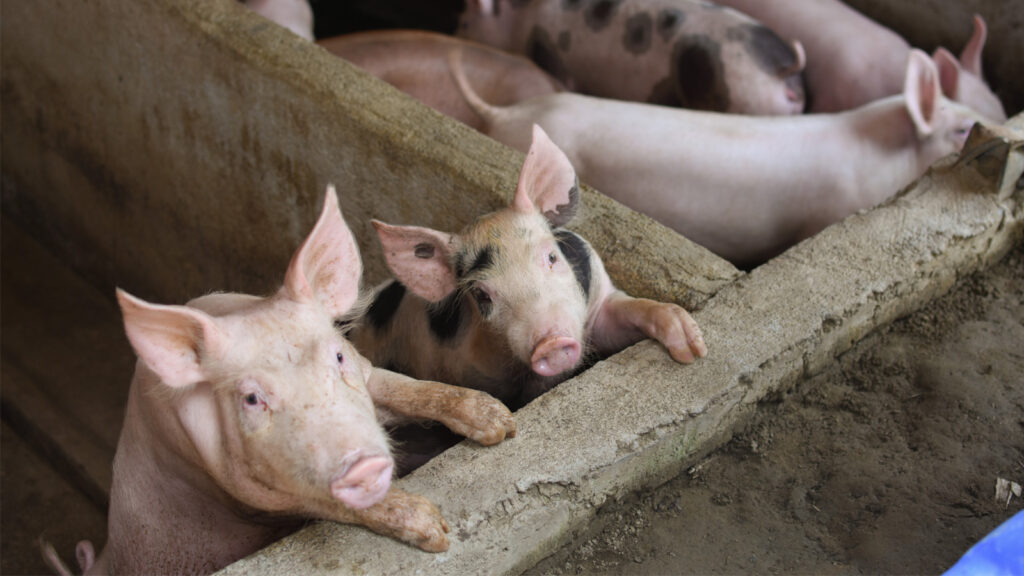
The Cebu City government has tightened restrictions on hog movement in Barangay Sapangdaku after 10 pigs died from African swine fever (ASF), with veterinary officials inspecting nearby backyard farms and setting up a checkpoint to prevent the virus from spreading.
The Department of Veterinary Medicine and Fisheries (DVMF) began mapping hog-raising areas within a 500-meter radius of the affected site and coordinating with barangay officials and other city offices to identify pigs that may need testing or collection.
DVMF officer-in-charge Dr. Jessica Maribojoc said Wednesday that all 10 pigs initially confirmed to have ASF had died.
The extent of the infection remained uncertain, however, as veterinary officials awaited confirmation of another batch of samples collected on Monday.
A checkpoint was established in Sapangdaku on Wednesday night to prevent potentially infected hogs and pork products from being transported to other barangays.
The DVMF is coordinating with Cebu City Police Office Station 9 to monitor movement in the area. During a meeting on Oct. 14, police personnel committed to securing the checkpoint and helping inform residents about ASF prevention.
Hog owners transporting pigs from Toong to Sapangdaku must coordinate with the DVMF and have their animals tested before transport. Only pigs that test negative will receive a clearance slip, which must be presented at the checkpoint.
“Wala tay penalties, but dili siya pasudlon,” Maribojoc said, explaining that hogs without the required clearance would not be allowed to proceed.
Maribojoc said the situation was not yet alarming because the confirmed cases remained isolated, although authorities were checking nearby farms and backyard raisers for possible additional infections.
She identified Cambinocot and Lusaran as areas of concern because of their substantial hog populations, particularly if several pig deaths occur within a short period.
The Sapangdaku cases came after nearly three months without a confirmed infection in the area.
Maribojoc raised the possibility that pork products carried between Toong and Sapangdaku during their respective fiestas may have contributed to the spread of the virus.
Toong celebrated its fiesta on Aug. 30, followed by Sapangdaku in September. Residents attending the celebrations may have transported pork products between the two barangays, she said.
However, she stressed that this remained only a possible explanation and that investigators had yet to establish the source of the infection.
Sapangdaku had previously restricted the entry of live hogs from Toong without the required clearance, she added.
Maribojoc urged hog raisers to strengthen farm biosecurity and immediately report sick animals or unusual deaths to veterinary personnel.
She recommended installing disinfectant footbaths at farm entrances, changing clothes and bathing before entering pigpens, and storing animal feed in covered containers to reduce contamination risks.
People who visit communities with ASF-infected hogs should also observe proper hygiene before returning to farms or coming into contact with other pigs.
Maribojoc advised raisers to maintain adequate water supplies as Cebu prepares for the expected El Niño period.
She also warned that haze could cause respiratory irritation and stress in pigs and chickens, potentially reducing their food and water intake. Such symptoms, however, do not necessarily indicate ASF infection.
The DVMF urged hog raisers to cooperate with veterinary personnel, comply with movement restrictions and promptly report suspected infections to help prevent the virus from spreading to other areas.















Comments