



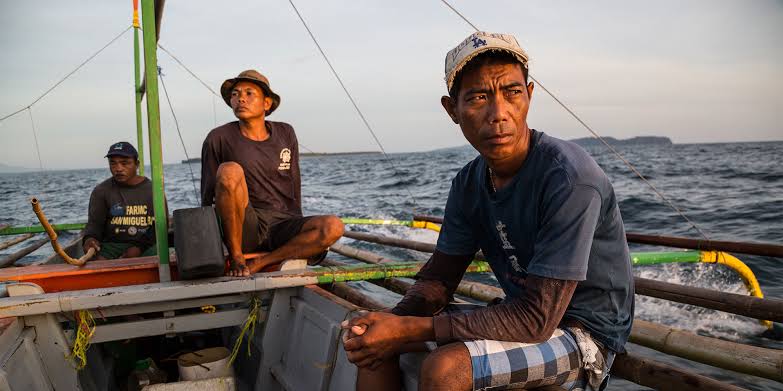
Fish farmers in Central Visayas should reduce stocking density, limit feeding and maintain pond water levels at up to 1.5 meters to protect their stocks from rising temperatures expected during the coming El Niño, the Bureau of Fisheries and Aquatic Resources (BFAR) said.
Candido Samijon, chief of the BFAR 7 Fisheries Production and Support Services Division, said the Philippine Atmospheric, Geophysical and Astronomical Services Administration (PAGASA) expects a very strong El Niño to bring hotter conditions through the first half of 2027.
He urged fishers and aquaculture operators to monitor advisories from PAGASA and BFAR and prepare their operations for prolonged heat.
President Ferdinand R. Marcos Jr. has directed government agencies to accelerate preparations to reduce El Niño’s impact and provide the public with accurate, timely and science-based information.
Joel Clapano, BFAR Cebu provincial fishery officer and regional seaweed development program coordinator, advised pond operators to follow proper aquaculture practices in managing their farms, stocking fish and providing feed.
“Operators should reinforce pond dikes and raise water levels to as much as 1.5 meters. They should also regularly monitor water quality, including temperature, dissolved oxygen, pH, salinity, ammonia, and hydrogen sulfide,” Clapano said.
He also recommended installing water-recirculating systems and shade covers to lessen heat exposure, along with aerators, pumps and paddlewheels to maintain adequate oxygen levels.
Clapano urged fisherfolk and aquaculture operators to insure their fish stocks, seaweed, fishing gear and boats to provide financial protection against potential losses.
Those who need technical assistance in preparing for extreme heat may contact BFAR 7.
Meanwhile, BFAR 7 is distributing P2,325 in cash assistance to each of 43,200 fisherfolk in Central Visayas under the Presidential Assistance to Farmers and Fisherfolk Program, Samijon said.
Distribution in the region began on May 27 as part of the administration’s efforts to help cushion the effects of rising fuel prices.
Marcos reported in April that more than 4 million farmers, fisherfolk and families nationwide would receive P2,325 each under the program.
Although the assistance was initially intended to help cover fuel expenses, beneficiaries may use the money for other necessities amid rising costs of fuel and basic goods, Samijon said.
The program covers active fisherfolk with registered boats. Applicants must claim the assistance in person and present a photocopy of a valid identification card, he said.
If a beneficiary has died, a spouse, child or sibling may claim the assistance by presenting a copy of the death certificate and proof of relationship.
BFAR 7 also urged unregistered small-scale fisherfolk to register themselves, their boats and fishing gear with their respective municipal agriculture offices.
They should also enroll in the Registry System for Basic Sectors in Agriculture, which the government uses as a basis for providing assistance to farmers and fisherfolk, and ensure their records remain updated.
📷 Rare.org















Comments